St. Barthelemy
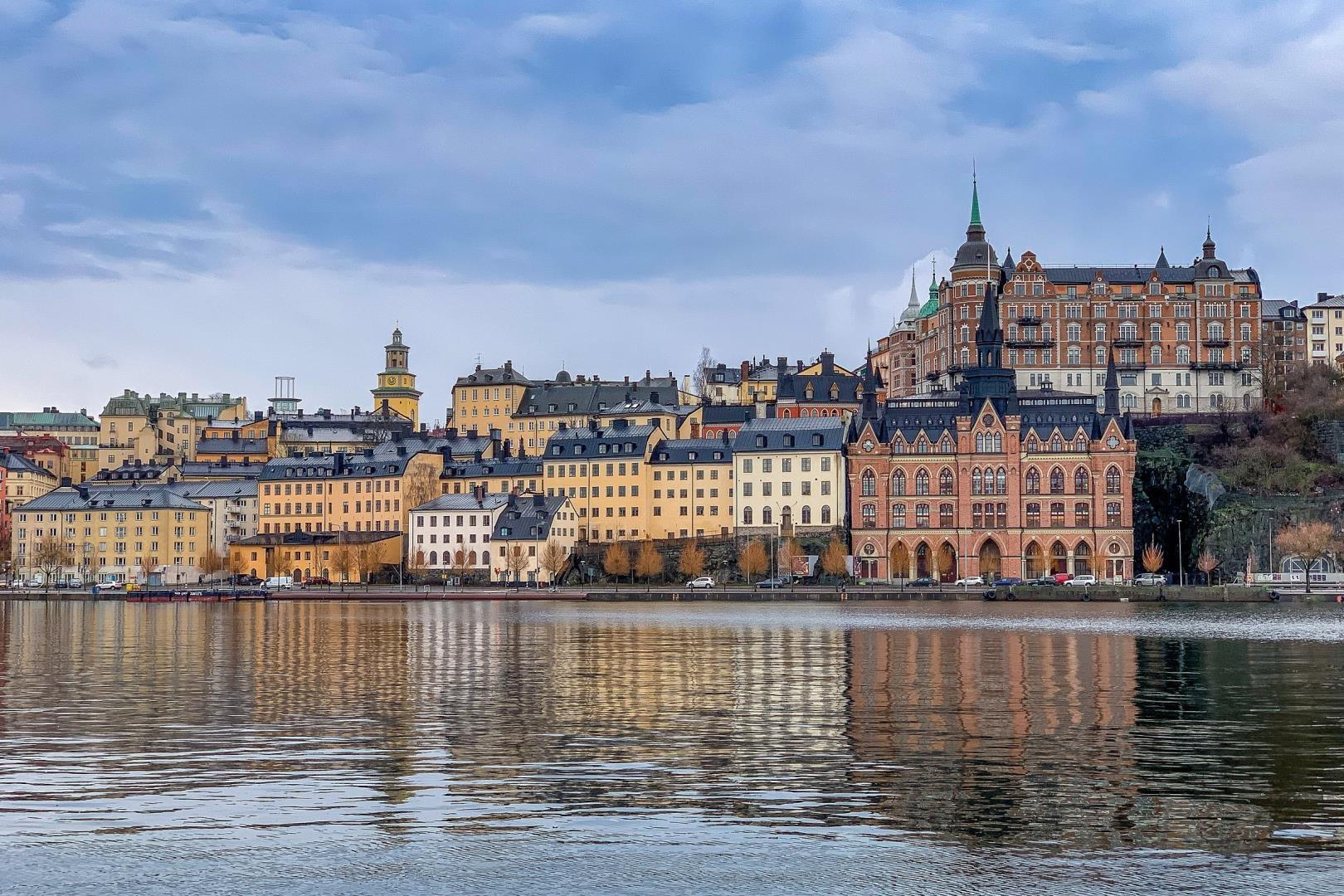
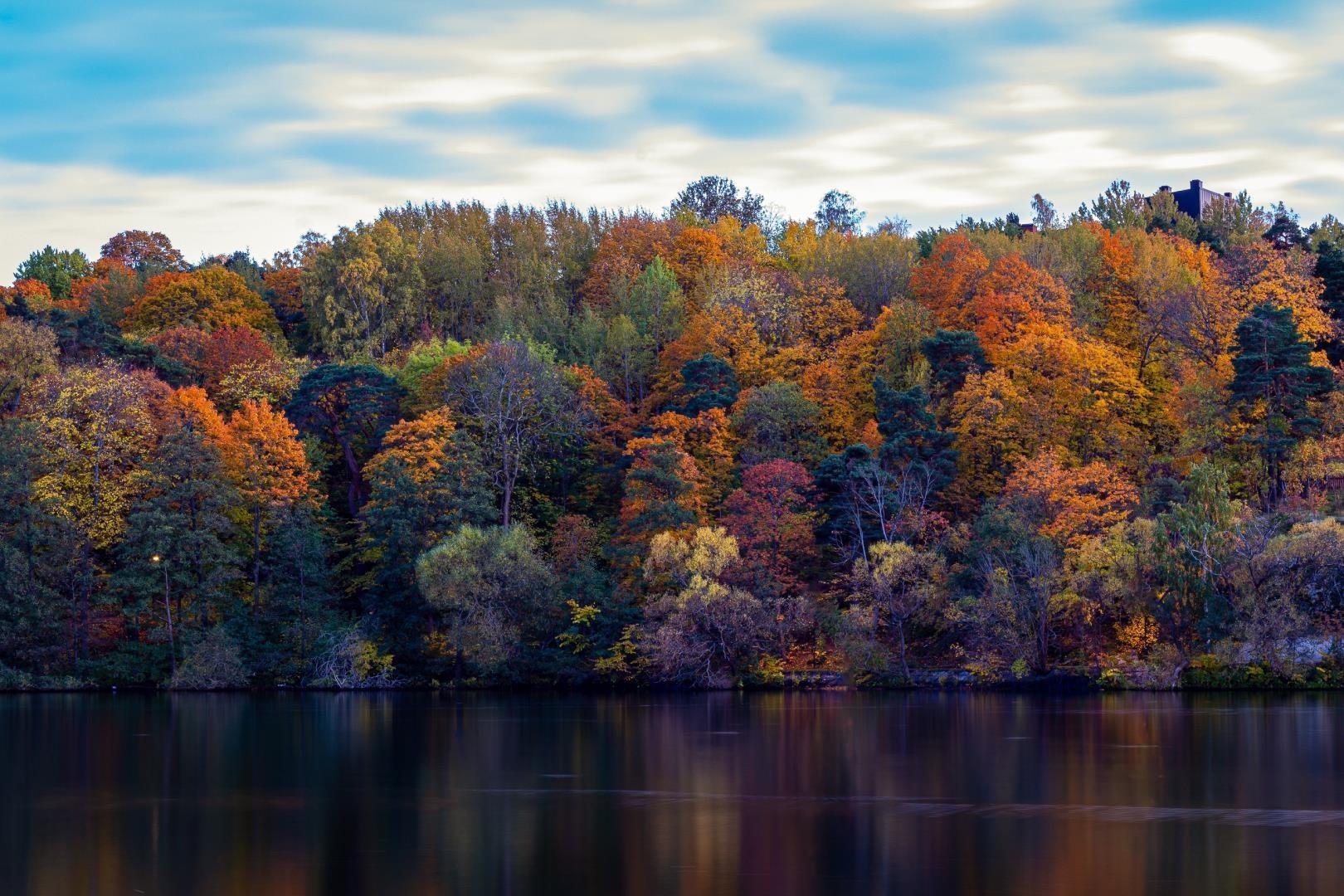
St. Barthélemy, often called St. Barts, is a small French Caribbean island known for its blend of natural beauty, refined luxury, and vibrant culture.

Osaka
Osaka is a city that thrives on contrasts with centuries-old castles sit just blocks from neon-lit arcades and high-speed trains. Once known as “Japan’s kitchen” during the Edo period, Osaka played a key role in rice trading and food distribution across the country. Today, visitors can walk the grounds of Osaka Castle, originally built in the 16th century by Toyotomi Hideyoshi, and take in panoramic city views from the top floor of its museum.

Mâcon
Mâcon is a riverside town in the Saône et Loire department of southern Burgundy, set where the Saône River curves gently through the countryside. Walking through the town naturally leads visitors from the riverfront toward its historic streets, where the past seems to linger in every corner. In the heart of Mâcon’s historic district, pedestrians find streets lined with notable sites.
Basse-Terre
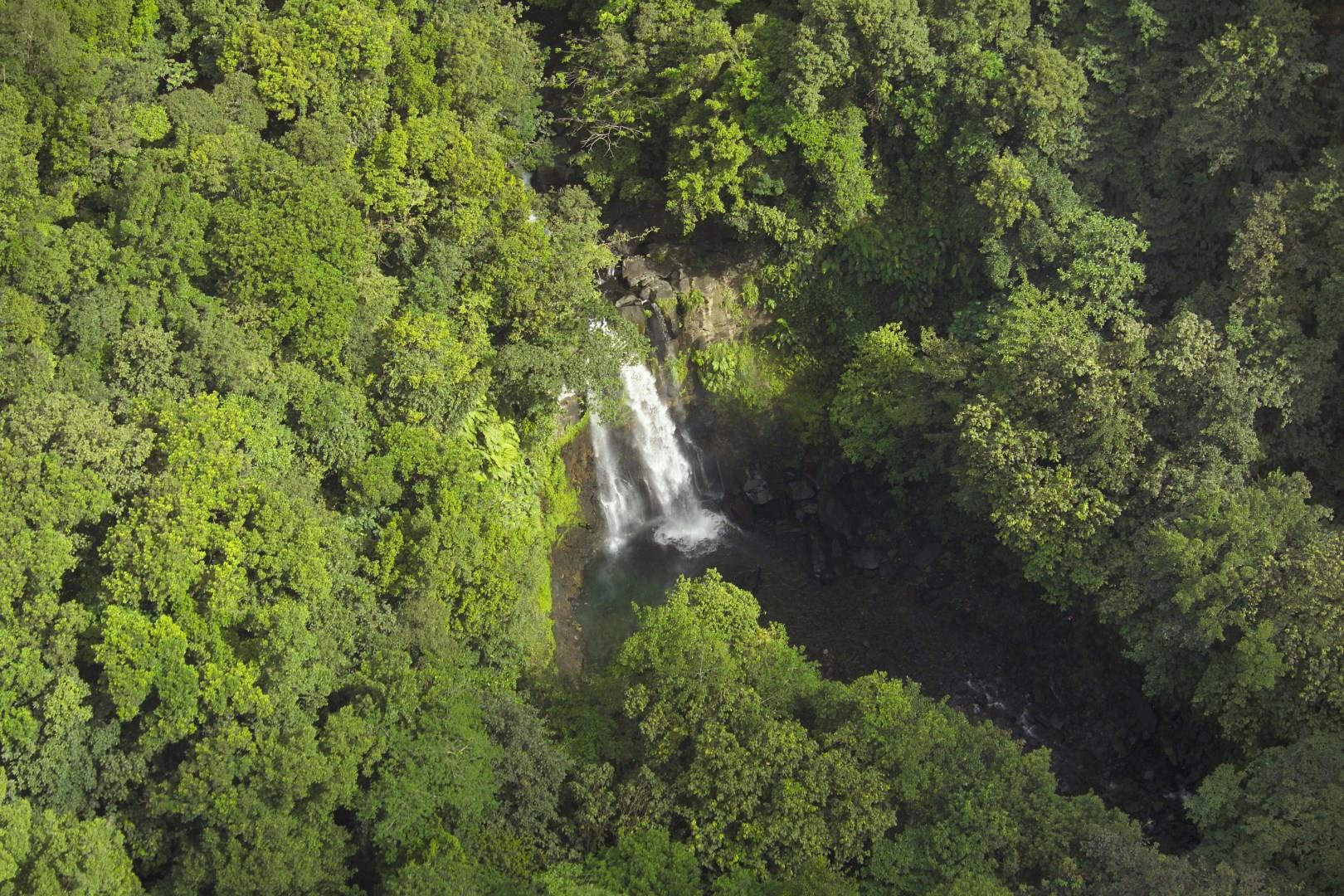
Basse-Terre, the western half of Guadeloupe, is a haven for nature enthusiasts and adventure seekers. Dominated by the towering La Soufrière volcano, the island boasts lush rainforests, dramatic waterfalls, and black sand beaches.

Regensburg
Regensburg, Germany’s medieval gem, will transport you to a bygone era. The site of both Celtic and Roman settlements, Regensburg flourished in the Middle Ages.