
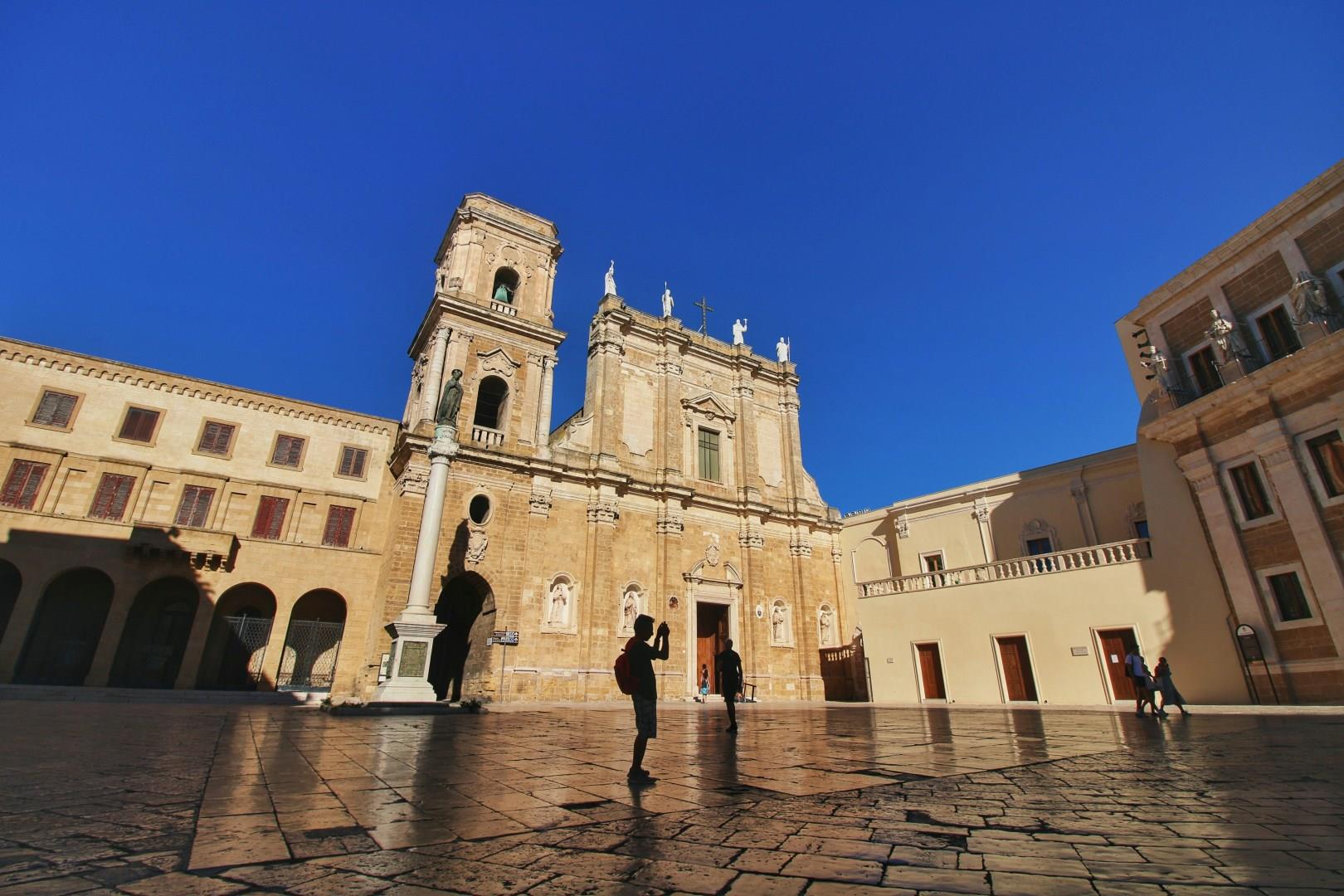
Brindisi
Italy’s port city of Brindisi, tucked along the Adriatic coast in the Puglia region, has been a gateway to the East for over two thousand years. Once the Roman Empire’s main departure point for the Via Appia, the road to Greece and beyond, Brindisi still bears traces of its ancient past, from Roman columns to remnants of old harbors that once welcomed traders, pilgrims, and soldiers.

Yosemite National Park
Yosemite National Park, nestled in California's Sierra Nevada mountains, is a stunning sanctuary of natural beauty and grandeur. Known for its dramatic granite cliffs, ancient giant sequoias, and cascading waterfalls, Yosemite is a paradise for outdoor enthusiasts and nature lovers alike.

St. Croix
It's the largest of the three U.S. Virgin Islands, lying 40 miles south of St. Thomas and St. John. While its history is laced with tales of pirates and privateers, the island today maintains a slower, more quiet pace than its sisters to the north.

Cobh
Cobh, a colorful harbor town in County Cork, holds a unique place in Irish history and maritime heritage. Once known as Queenstown, it was the final port of call for the Titanic in 1912. Today, the Titanic Experience Cobh offers visitors a chance to step into the footsteps of the 123 passengers who boarded that day. Located in the original White Star Line ticket office, the museum tells personal stories of those who left from this very spot, blending interactive exhibits with original artifacts.
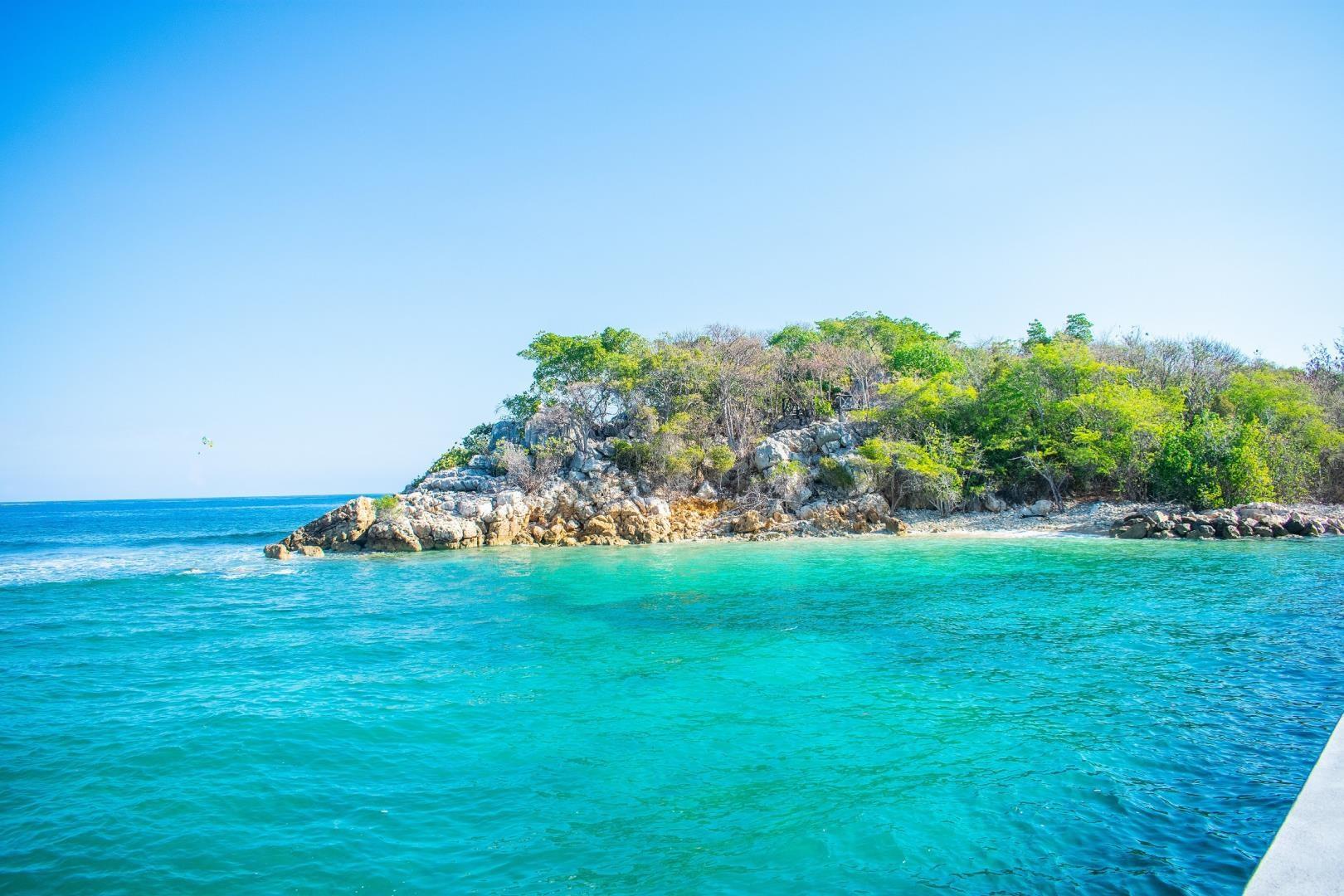
Labadee
Labadee, a private peninsula on Haiti’s northern coast, is an exclusive destination for Royal Caribbean cruise guests. Surrounded by dramatic green mountains and the sparkling waters of the Caribbean Sea, it offers a mix of natural beauty and curated resort-style amenities.

