

Mahé
Mahé Island is the largest and most culturally central island in the Seychelles, home to the capital city of Victoria and the majority of the country’s population.
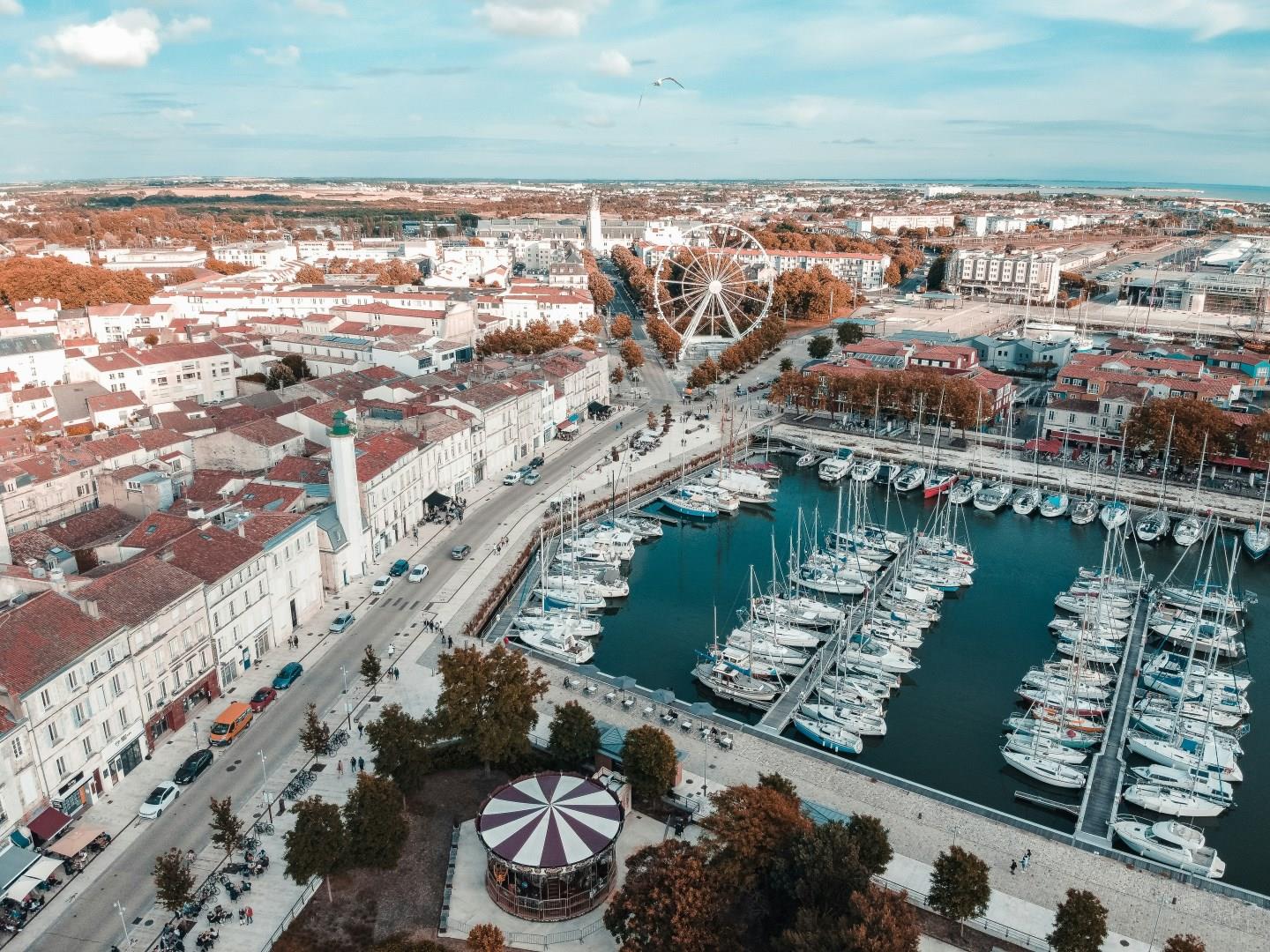
La Rochelle
La Rochelle sits on France’s Atlantic coast, shaped by centuries of maritime trade, independence, and outward-looking ambition.
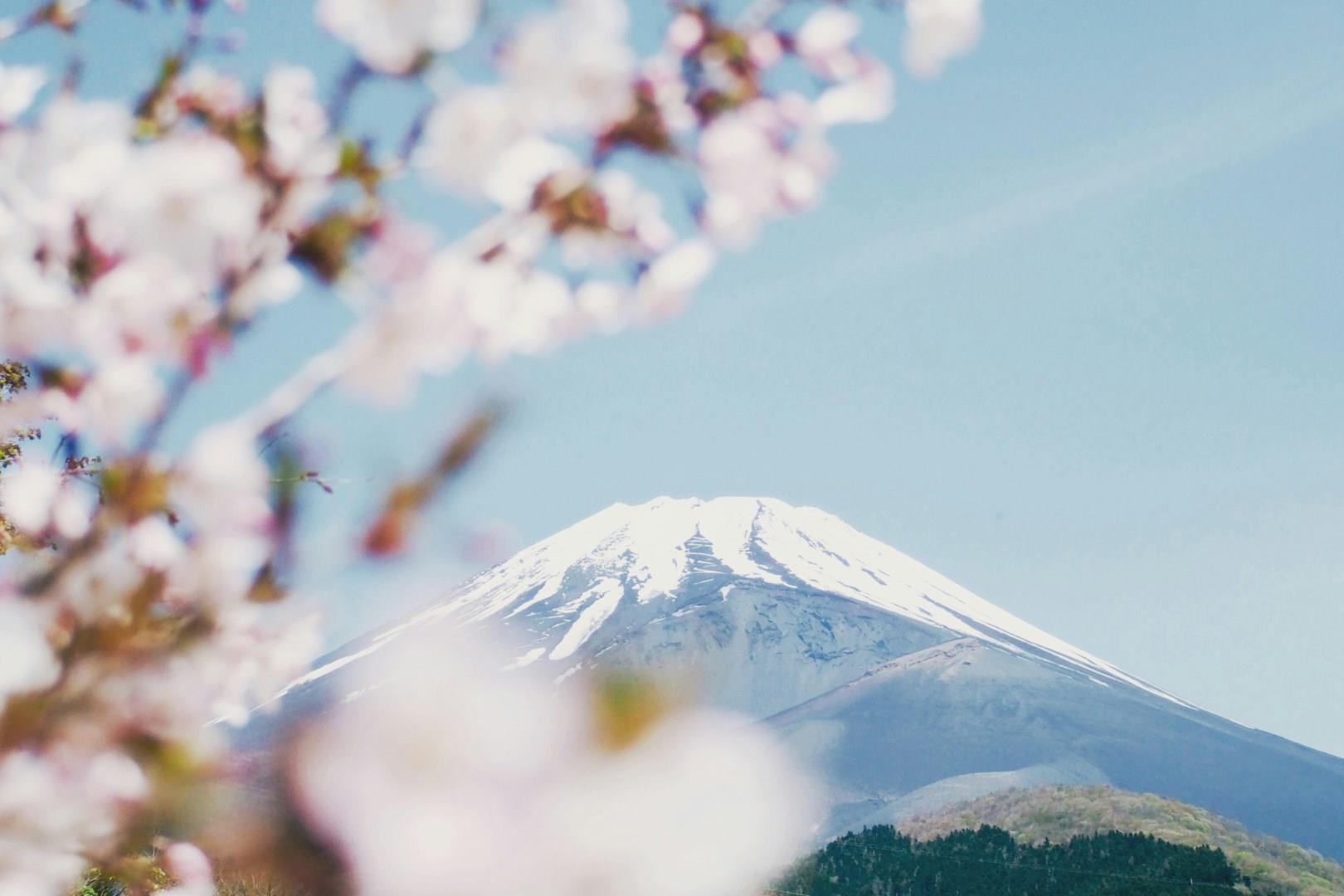
Japan
Japan is a country where deep-rooted traditions exist alongside cutting-edge innovation. From serene temples and centuries-old castles to neon-lit cities and futuristic technology, it offers travelers an extraordinary variety of experiences

Queenstown
This beautiful resort town has a little something for everyone! Whether you are into skiing and snowboarding, jet boating, whitewater rafting, bungy jumping, or mountain biking there is no end to the year around adventure sports you can take advantage of. If you love wine, Queenstown lies close to the center of a small wine producing region, including The Two Paddocks vineyard which is owned by actor Sam Neill.
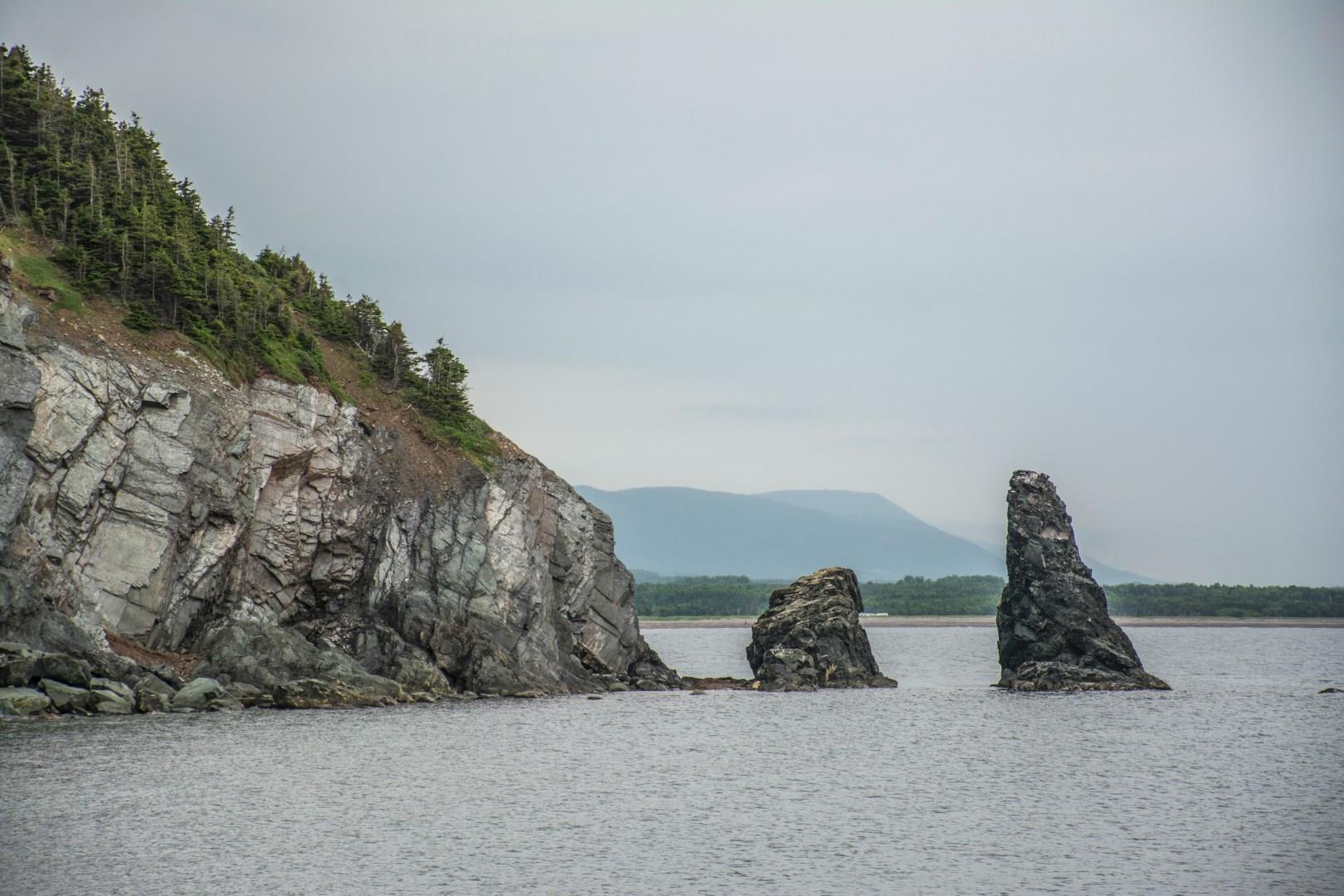
Cabot Trail
The Cabot Trail loops around northern Cape Breton Island, Nova Scotia, tracing cliffs, highlands, and forests for roughly 298 km. Named for the explorer John Cabot, the region’s deeper story belongs to the Mi’kmaq people, whose presence predates European settlement.


