
Mobile
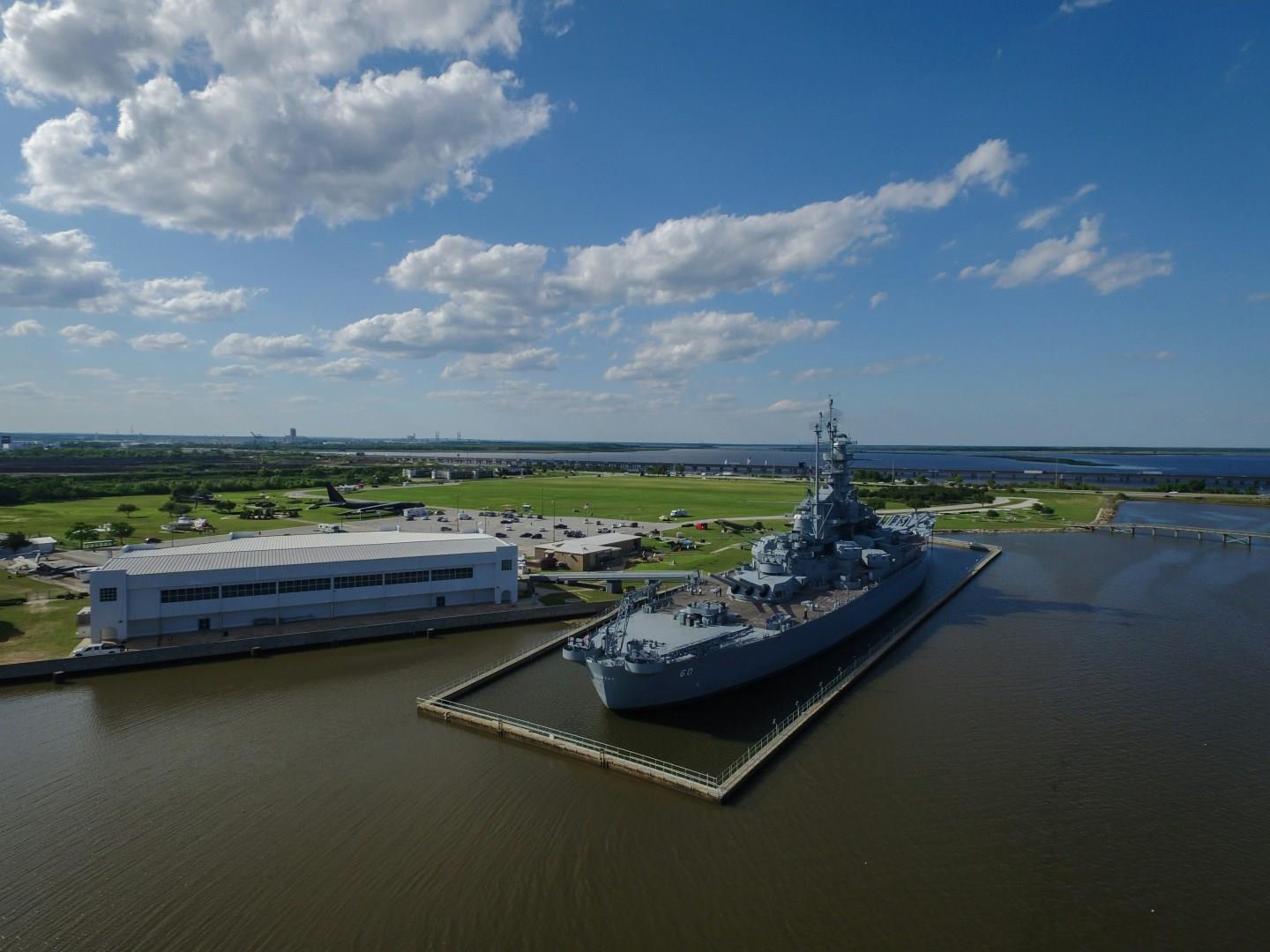
Mobile, Alabama, offers a unique blend of Southern charm, rich history, and vibrant culture, making it an enticing destination for travelers. Situated along the Gulf Coast, Mobile is known for its well-preserved antebellum architecture and its role in America's early history. Visitors can explore the Mobile Historic District with its beautiful oak-lined streets and stately homes, or visit the USS Alabama Battleship Memorial Park to tour a World War II-era battleship, submarine, and aircraft, off
Manama
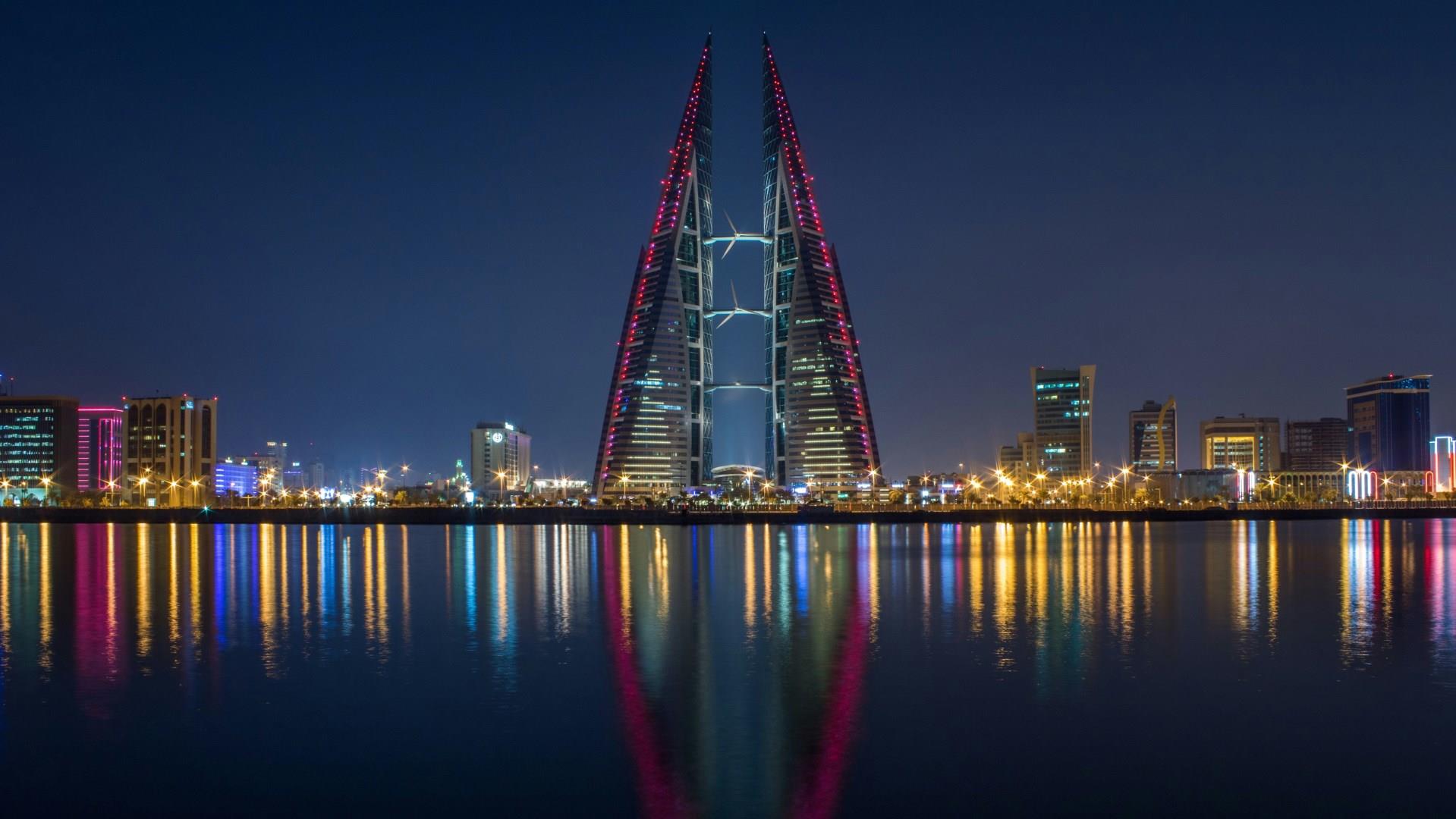
Manama pulses with stories from long ago and today. Just beyond the modern skyline lies Qal’at al‑Bahrain, a layered mound once the capital of Dilmun, used by societies from the Kassites to the Portuguese. Visitors can climb its crumbling stairways and imagine life across centuries there. Nearby, the Bahrain National Museum, opened in 1988 in a stately waterside building, displays archaeological finds from ancient Dilmun to modern-day artifacts and is one of the Gulf's first modern museums.
Kansas City
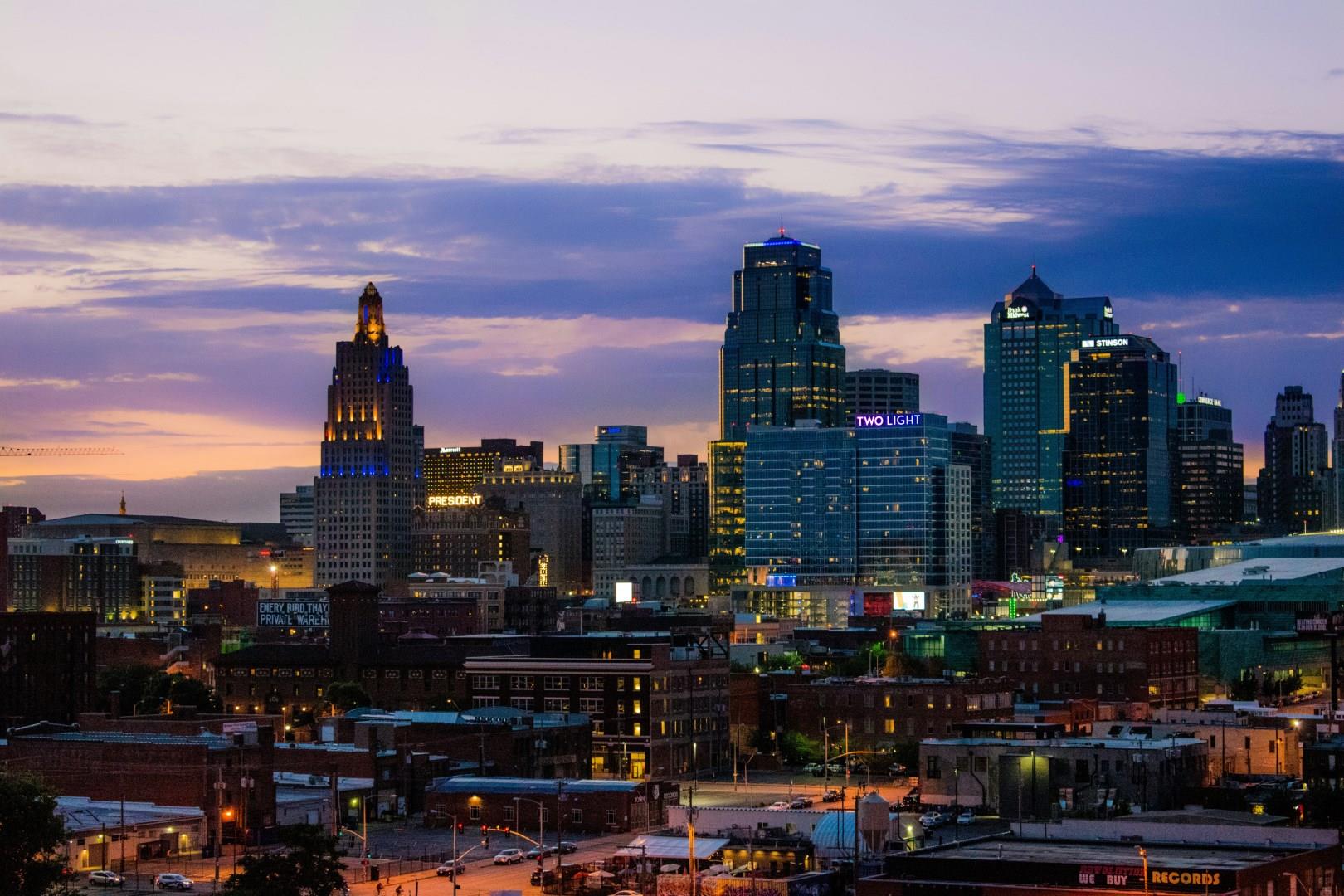
Kansas City, Kansas offers more than meets the eye. Located at the confluence of the Kansas and Missouri Rivers, this city blends its industrial roots with surprising pockets of creativity, flavor, and local pride. Food plays a big role in the city’s identity, and no trip is complete without sampling its barbecue. While its Missouri neighbor may get more attention, Kansas City holds its own with iconic joints like Slap’s BBQ, a local favorite known for brisket that draws lines out the door.
Aegina
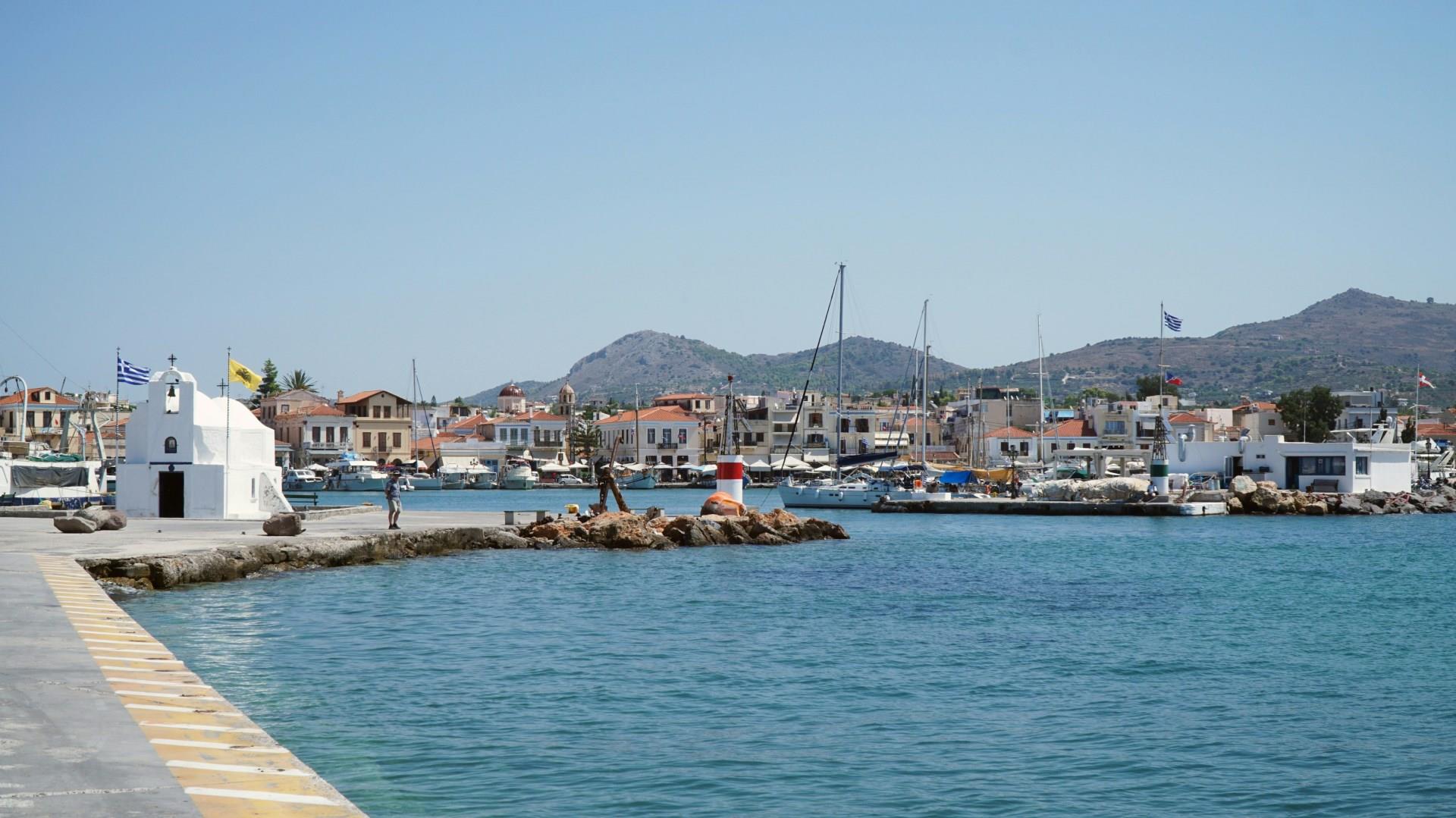
Aegina, one of the Saronic Islands of Greece, is a short ferry ride from Athens yet feels far removed from the capital’s energy. Known since antiquity as a thriving maritime and cultural center, the island still preserves echoes of its past in archaeological sites and traditional villages.

Windhoek
Windhoek, the capital city of Namibia, is a vibrant and cosmopolitan hub nestled in the heart of the country. With its mix of German colonial architecture and modern African charm, Windhoek offers visitors a unique blend of history and contemporary culture. The city’s skyline is dominated by the striking Christuskirche, a Lutheran church built in 1907, which stands as a symbol of Namibia's German colonial past.


