
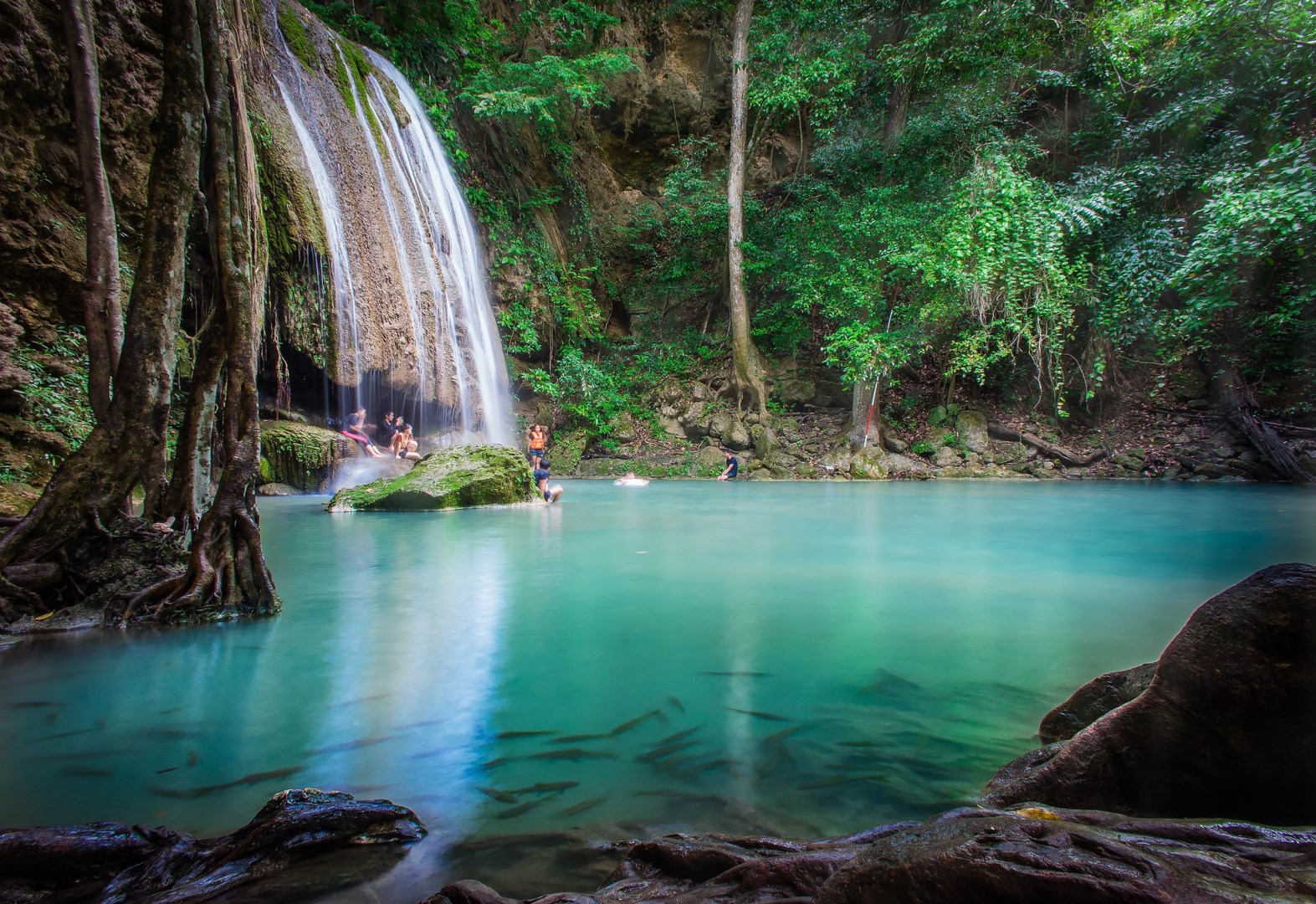
Erawan National Park
Erawan National Park is located in Kanchanaburi Province in western Thailand and is best known for its tiered waterfalls, limestone hills, and dense forest. The park covers a large area of mixed deciduous and evergreen woodland near the Tenasserim Hills close to the border with Myanmar.

Serbia
Serbia is a country where centuries-old monasteries sit just a short drive from lively cities, and where the past is never far from daily life. In Belgrade, the capital, Kalemegdan Fortress offers panoramic views where the Danube meets the Sava River. This fortress has witnessed more than 100 battles and been rebuilt many times over two millennia. Within its walls are Roman ruins, an open-air military museum, and quiet park paths perfect for wandering between centuries of layered history.

Hilo, Hawaii
Hilo, the charming and laid-back gateway to Hawaii’s Big Island, offers an authentic Hawaiian experience steeped in natural beauty, history, and culture. As the largest town on the east side of the island, Hilo sits at the foot of two majestic volcanoes: Mauna Loa, the world's largest volcano, and Mauna Kea, a dormant volcano that hosts some of the world's most advanced astronomical observatories.
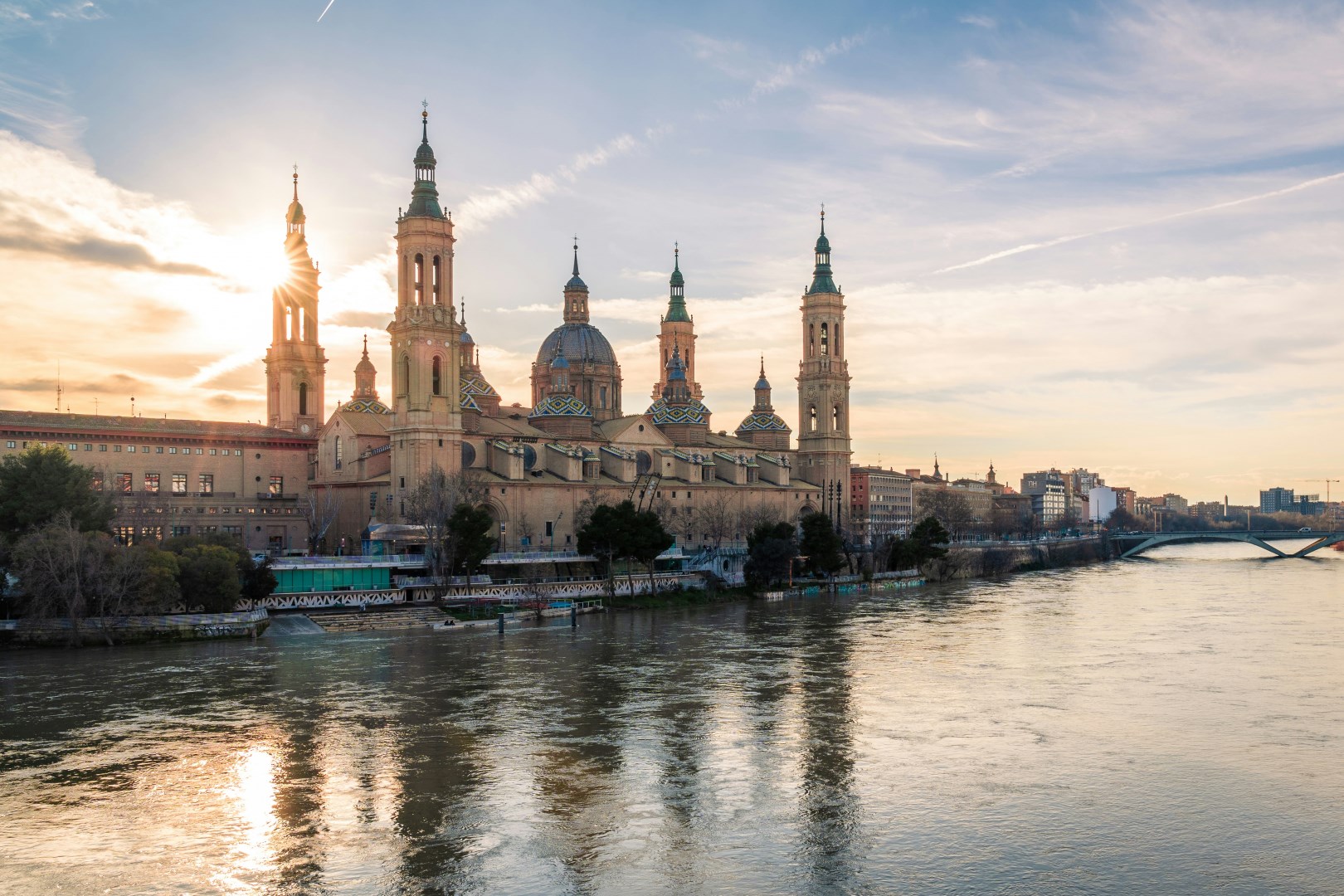
Zaragoza
Zaragoza stands on the banks of the Ebro River in northeastern Spain and serves as the capital of the Aragón region. The city is known for its mix of Roman remains, Islamic influences, Mudéjar architecture, and large Baroque landmarks.
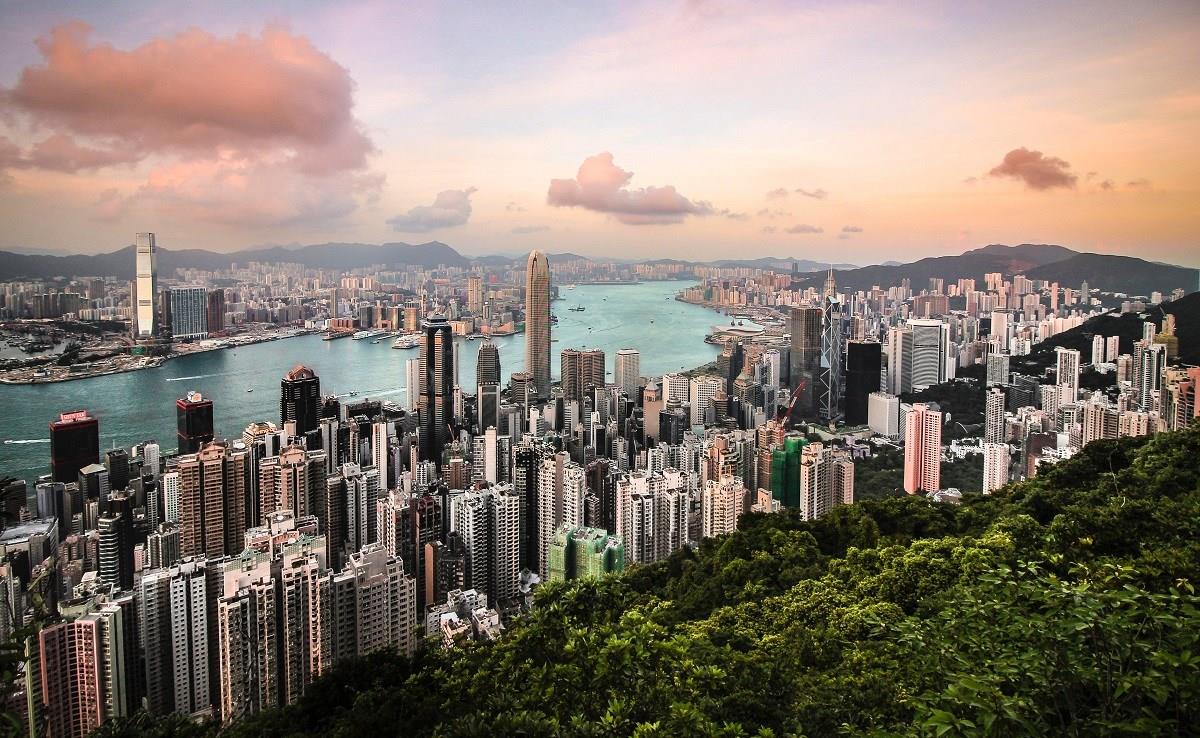
Hong Kong
Hong Kong, a Special Administrative Region of China, is a destination where skyscrapers meet the sea and mountains. Its dramatic skyline, best admired from Victoria Harbour or the Peak, reflects its role as a global financial hub.


