

Keystone
Nestled within the Colorado Rockies, Keystone is a popular ski resort destination west of Denver. The perfect spot for a variety of outdoor adventures, Keystone offers ample opportunity to ski, snowboard, hike, or golf.
Costa del Sol
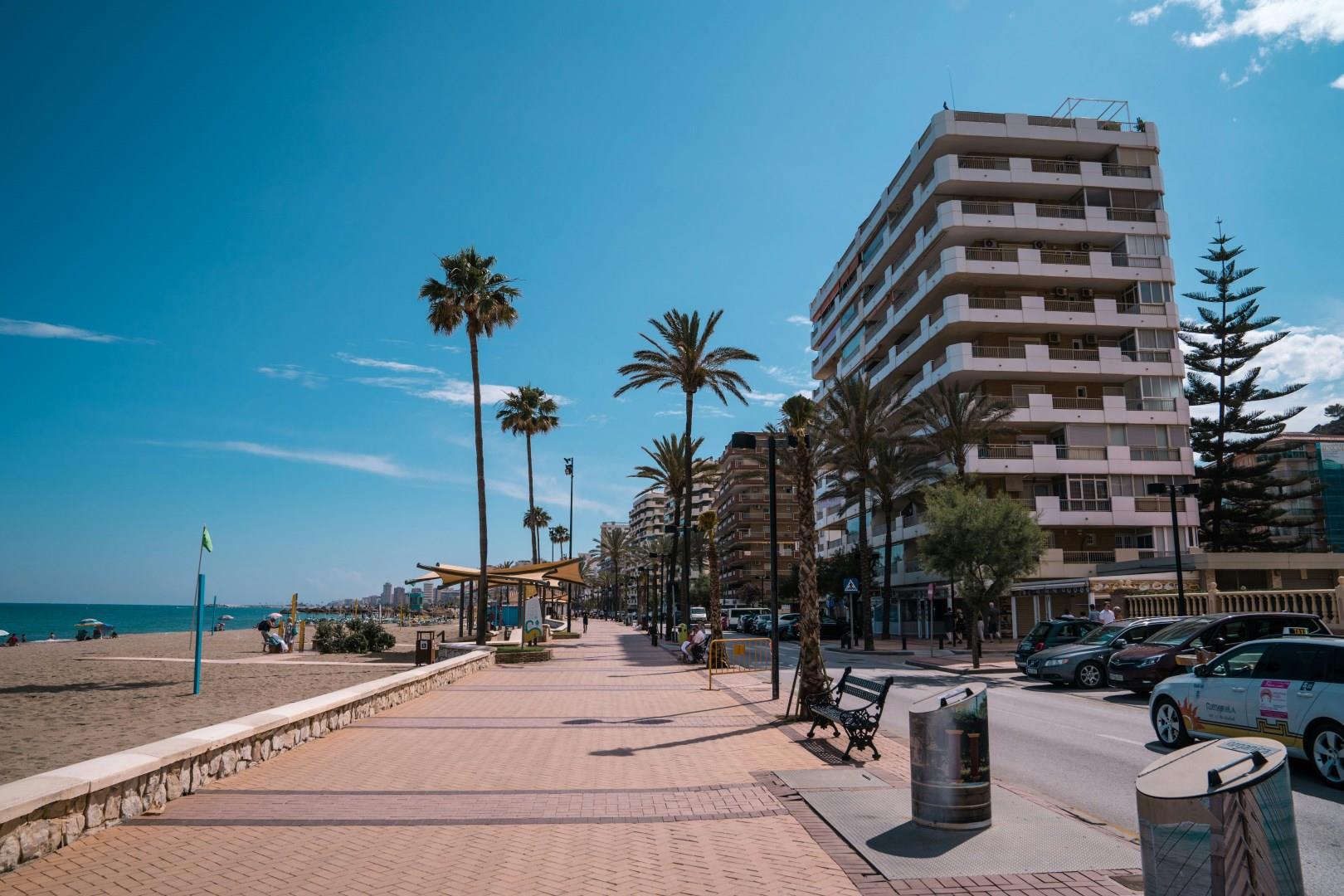
The Costa del Sol, stretching along the southern coast of Spain in Andalusia, is famed for its golden beaches, lively coastal towns, and sunny Mediterranean climate.
Tampa
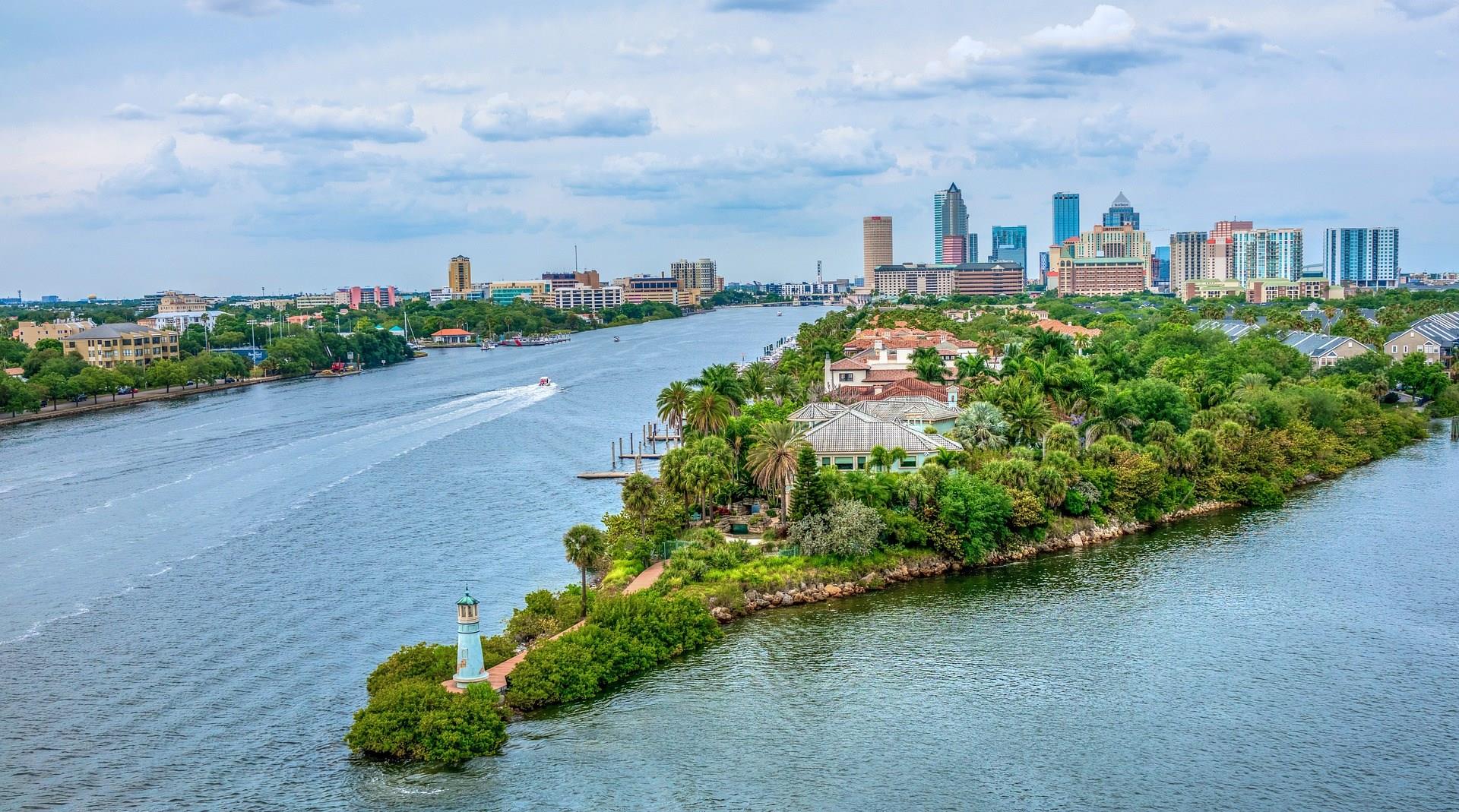
Tampa, Florida, offers more than just sunshine and palm trees, it’s a city with character, history, and plenty of unexpected experiences. Founded as a military outpost in the 19th century, Tampa has grown into a vibrant waterfront city with strong Cuban, Spanish, and Italian influences. This cultural blend is especially noticeable in Ybor City, a historic district known for its red-brick buildings and deep cigar-making roots.

Pompeii
Pompeii, Italy, is a mesmerizing time capsule that invites travelers to step back into the world of ancient Rome. Once a thriving city, Pompeii was abruptly buried under volcanic ash and pumice following the catastrophic eruption of Mount Vesuvius in 79 AD. This tragic event preserved the city in remarkable detail, allowing visitors today to walk the cobbled streets and witness a snapshot of Roman life, from grand villas and bathhouses to bakeries and amphitheaters.
Saratoga Springs
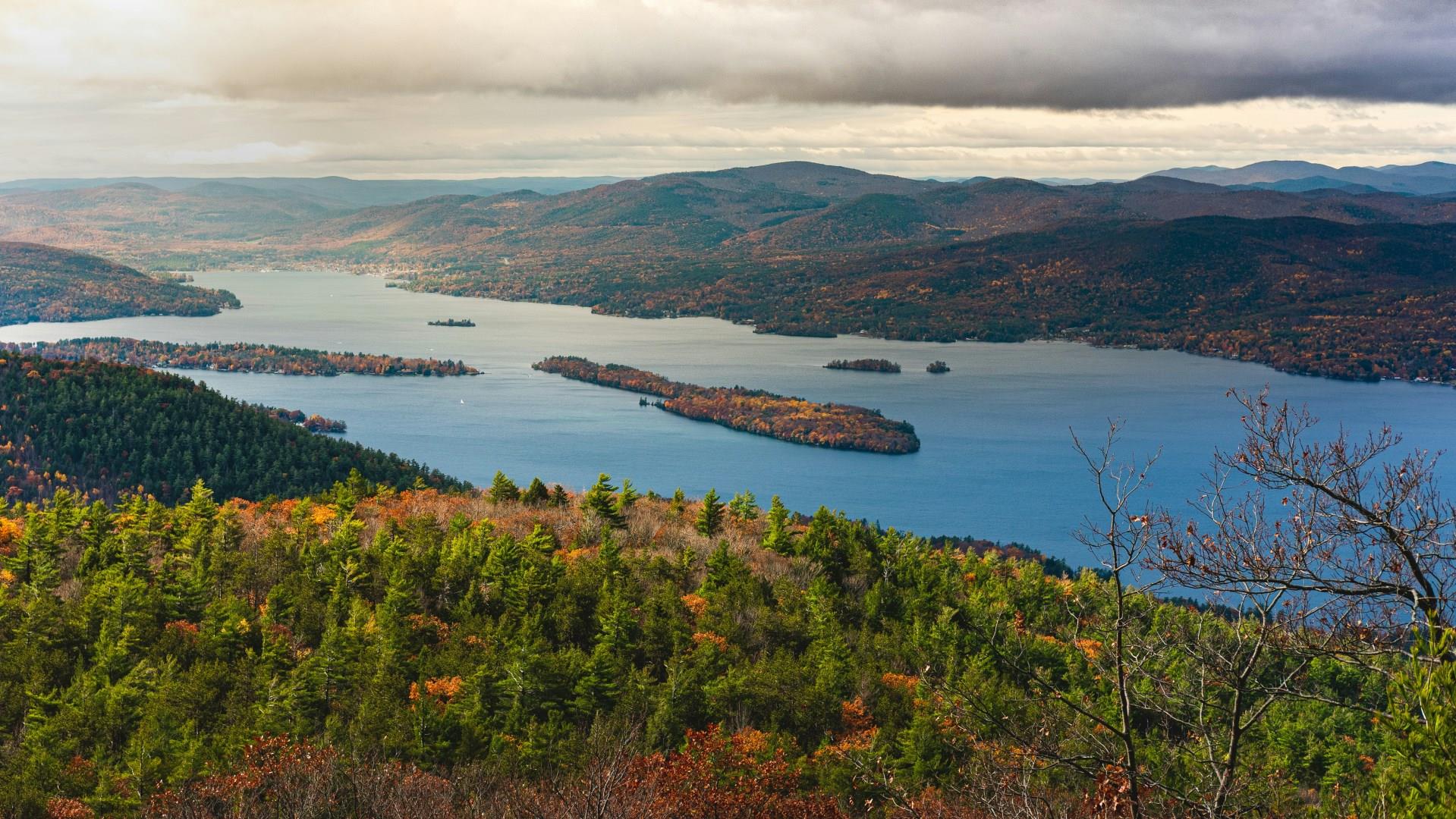
Saratoga Springs, New York, has long drawn visitors with its bubbling mineral springs, historic charm, and a calendar full of events that give the town a lively edge. Known as “The Spa City,” Saratoga first gained fame in the 19th century for its naturally carbonated waters, believed to have healing properties. Downtown Saratoga Springs is known for its walkable streets, filled with locally owned boutiques, cafés, and bookstores.


