Belém
Belém do Pará sits at the edge of the Amazon, where river and bay meet in a landscape with activity and color. The Ver-o-Peso Market spreads along Guajará Bay, welcoming early morning boats laden with fresh fish, herbs, fruits, and Amazonian goods. Recognized by UNESCO as a Creative City of Gastronomy, the local cuisine marries Indigenous, Portuguese, and African traditions to create dishes found nowhere else.
Penzance
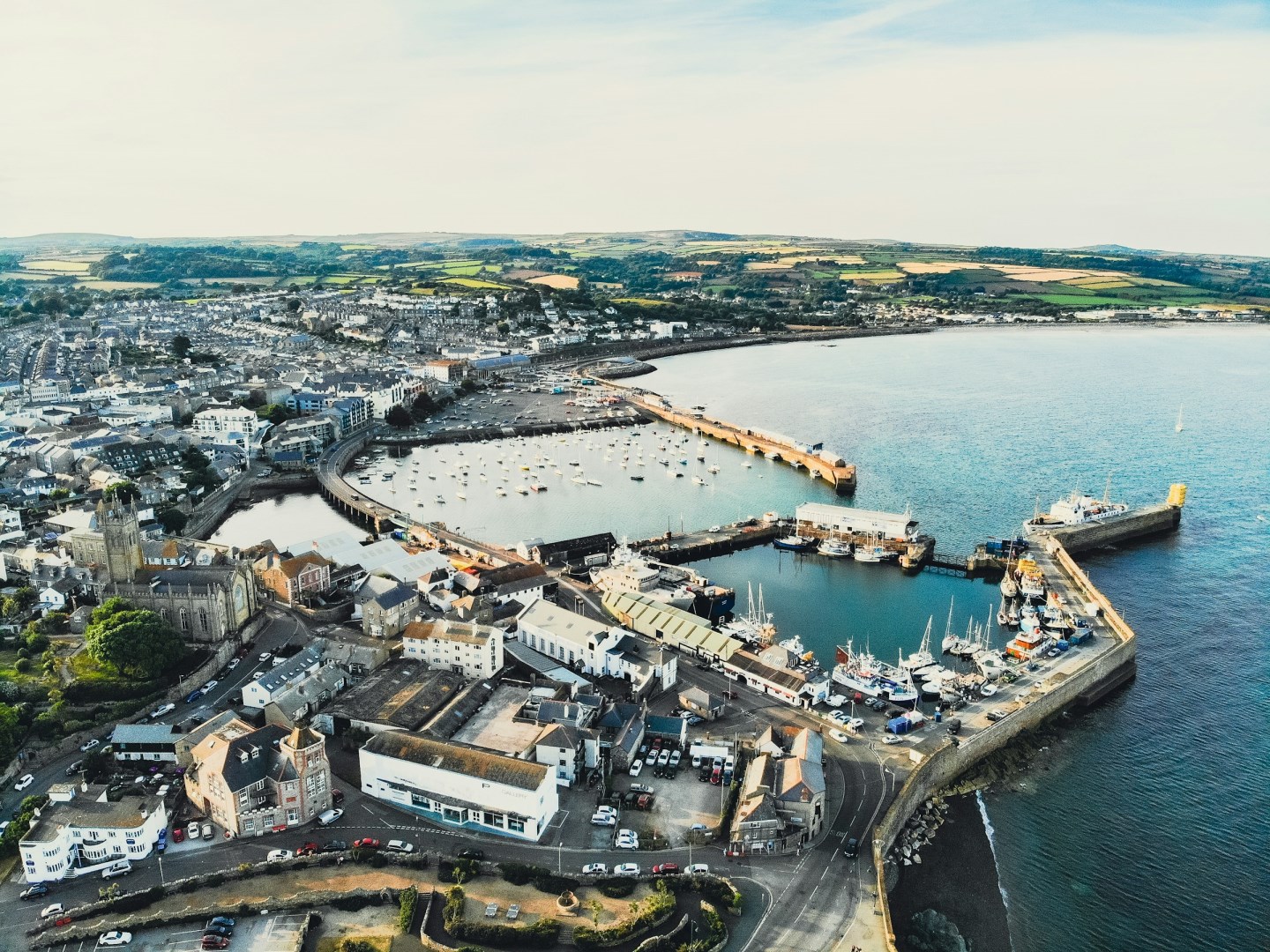
This fishing port in southwestern England's county of Cornwall rests along the sheltered Mount's Bay and is blessed with a mild climate year-round, as evidenced by the subtropical plants in Morrab gardens. Near Penzance is the town of St.Ives, a quaint place with a reputation as an artist's colony.

Iles des Saintes
Framed by an array of tropical flowers, "miniature" houses painted in a pastel palette will enchant you. But, a splash of watercolors is all you'll see as you zip by on a moped. It won't be long before you find the perfect spot for a beach picnic and afternoon of snorkeling.

Nashville
Nashville, Tennessee, the dynamic "Music City," is a cultural gem in the American South that radiates energy and charm. Renowned for its rich musical heritage, Nashville is the birthplace of country music and home to iconic landmarks like the Grand Ole Opry and the Ryman Auditorium. The Country Music Hall of Fame and Museum captures this deep-rooted history through a vast collection of memorabilia and interactive exhibits that tell the story of American music.
Bridgeport
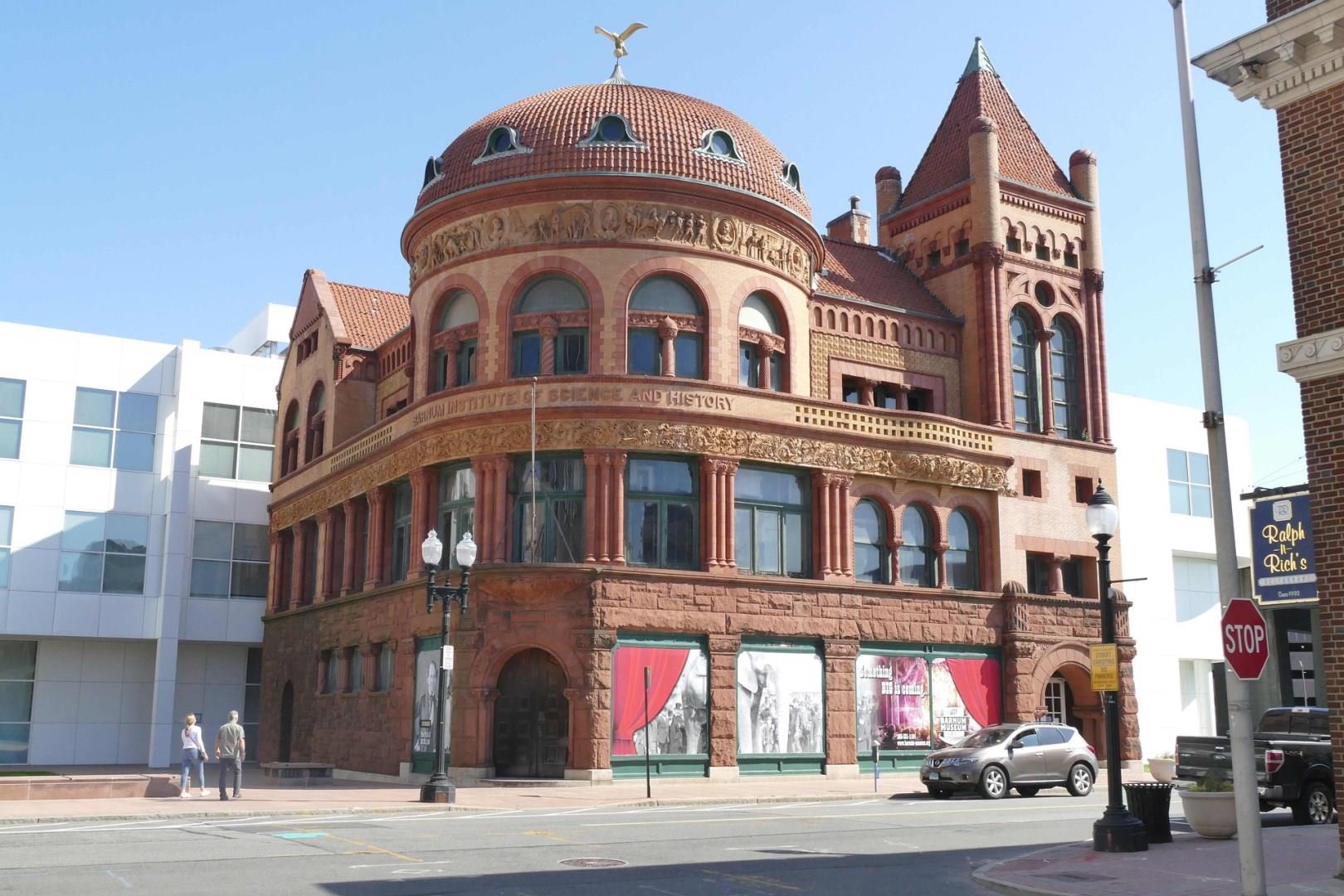
Bridgeport, Connecticut, offers visitors a fascinating mix of historical significance, cultural diversity, and coastal charm. As the largest city in the state, Bridgeport is known for its rich industrial past and vibrant waterfront. One of the must-visit spots is Seaside Park, a stunning 325-acre public park designed by Frederick Law Olmsted, the same visionary behind New York’s Central Park.