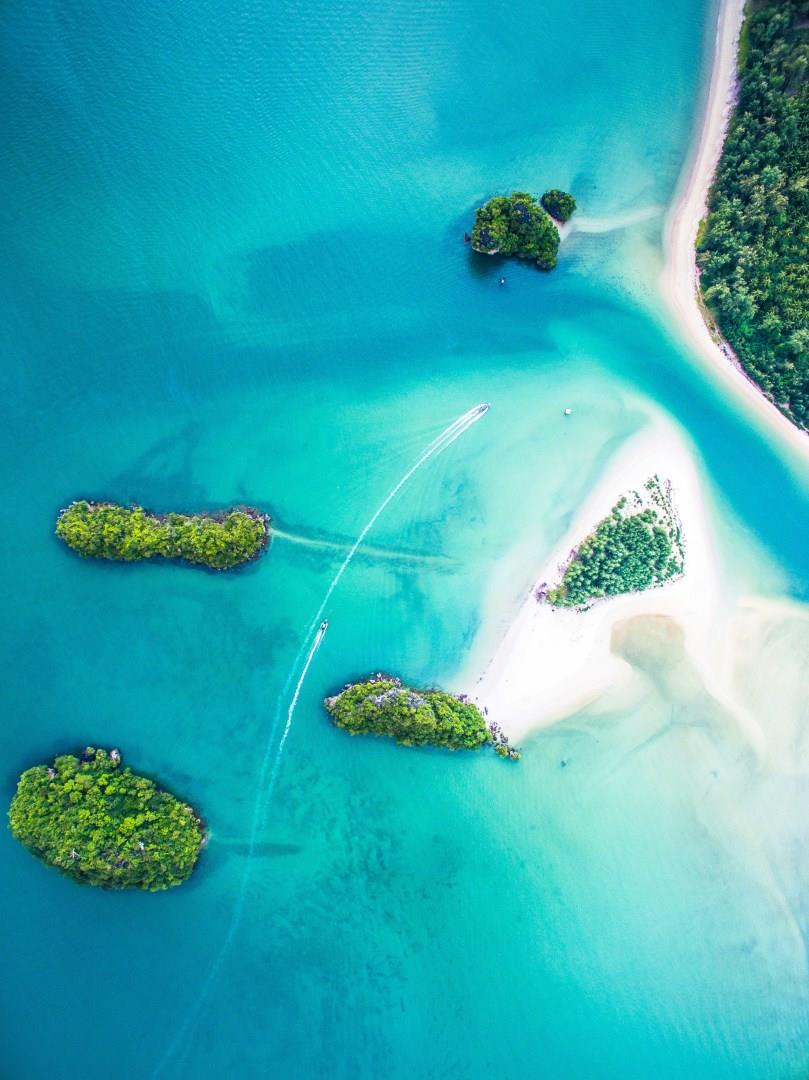
Ao Nang
Ao Nang is a coastal town in Thailand’s Krabi province, set against a backdrop of limestone cliffs that rise abruptly from the shoreline. Once a quiet fishing village, it has grown into a lively seaside hub while still retaining strong ties to the surrounding landscape.

Mumbai
This energetic city is home to three UNESCO World Heritage Sites: the Elephanta Caves, Chhatrapati Shivaji Maharaj Terminus, and the city's distinctive Victorian and Art Deco buildings. It is the largest city in India and contains 7 distinct districts. There is so much to see here, but the most popular tourist attractions are typically concentrated in South Mumbai such as the Elephanta Caves, the Gateway of India and Chhatrapati Shivaji Maharaj Terminus.

San Francisco
San Francisco offers something for everyone. Whether it's exploring world-famous landmarks, discovering hidden gems in its neighborhoods, or enjoying the coastal breeze by the bay, this vibrant city promises a memorable experience for all who visit.
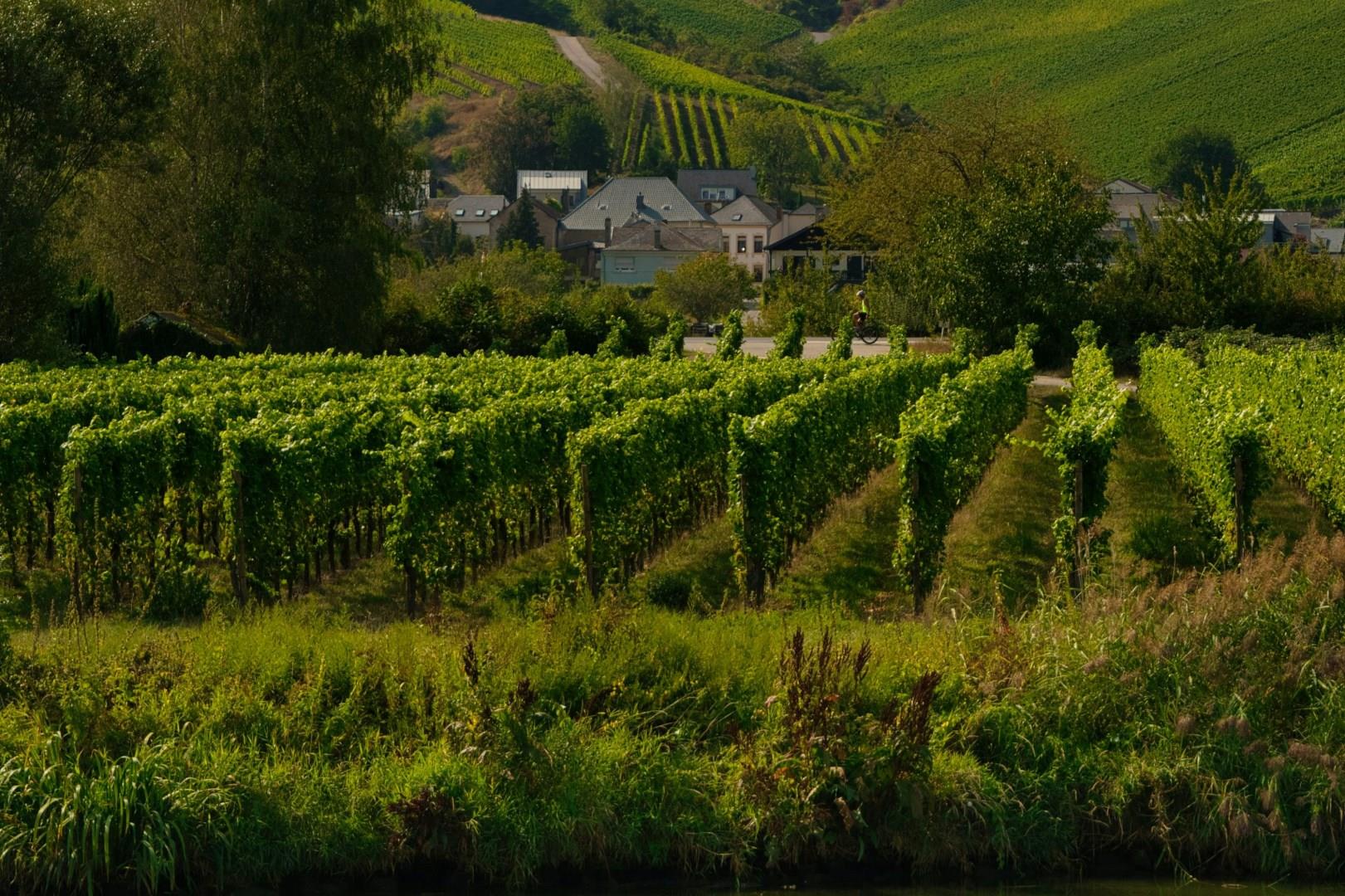
Remich
Remich, often referred to as the “Pearl of the Moselle,” is a captivating town nestled along the Moselle River in Luxembourg. This riverside gem is known for its historic vineyards that have shaped the region’s culture for centuries. Visitors can stroll along the river promenade, enjoying views of the gently flowing water framed by rolling hills covered in vineyards that produce some of Luxembourg’s finest wines.

Heimaey
Heimaey, the largest island in Iceland’s Vestmannaeyjar archipelago, is a captivating destination renowned for its dramatic landscapes and volcanic history. A visit to Heimaey offers a unique blend of natural beauty and cultural heritage.