Rouen
Set on the River Seine, Rouen is Normandy's capital and a breathtaking city steeped in history, art, and romance. Marvel at the exquisite Gothic architecture of the Palais de Justice, l'Église Saint-Maclou, l'Abbatiale Saint-Ouen, and the Cathédrale Notre-Dame de Rouen.

Vancouver
This vibrant, diverse British Columbia seaport is one of the jewels of Canada. Surrounded by ocean and mountains alike, Vancouver offers breathtaking vistas, not to mention world-class outdoor activities, culinary delights, fine art, and cultural events.

Puerto Quetzal
The largest Pacific seaport in Guatemala, Puerto Quetzal is also the gateway to Antigua, a well-preserved colonial city.

Freycinet National Park
Freycinet National Park, located on the east coast of Tasmania, Australia, is a natural paradise that entices travelers with its dramatic pink granite peaks, secluded bays, and pristine beaches. The park is home to the iconic Wineglass Bay, often touted as one of the world's most beautiful beaches, with its crescent-shaped shore of soft white sand and crystal-clear turquoise waters.

Seville
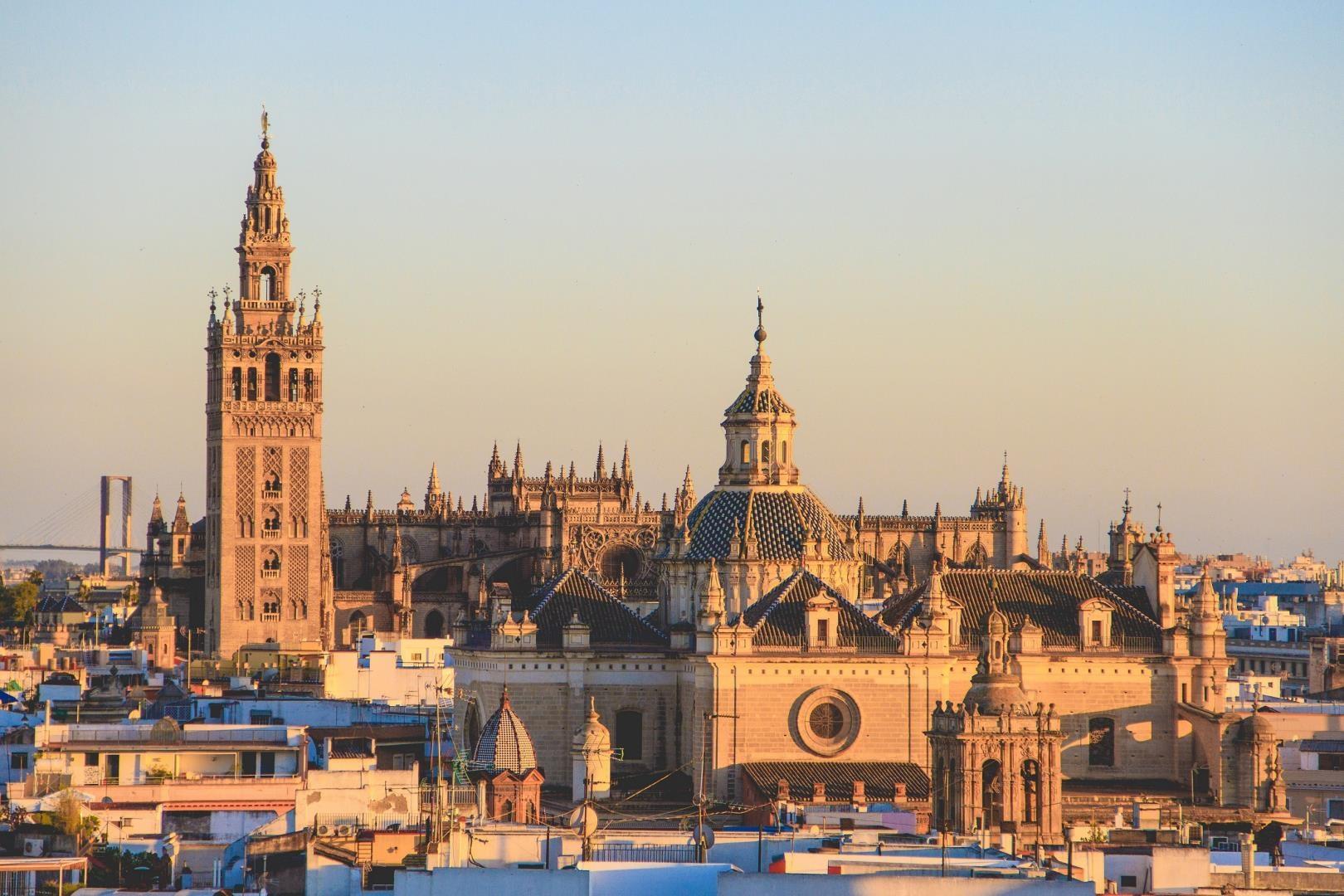
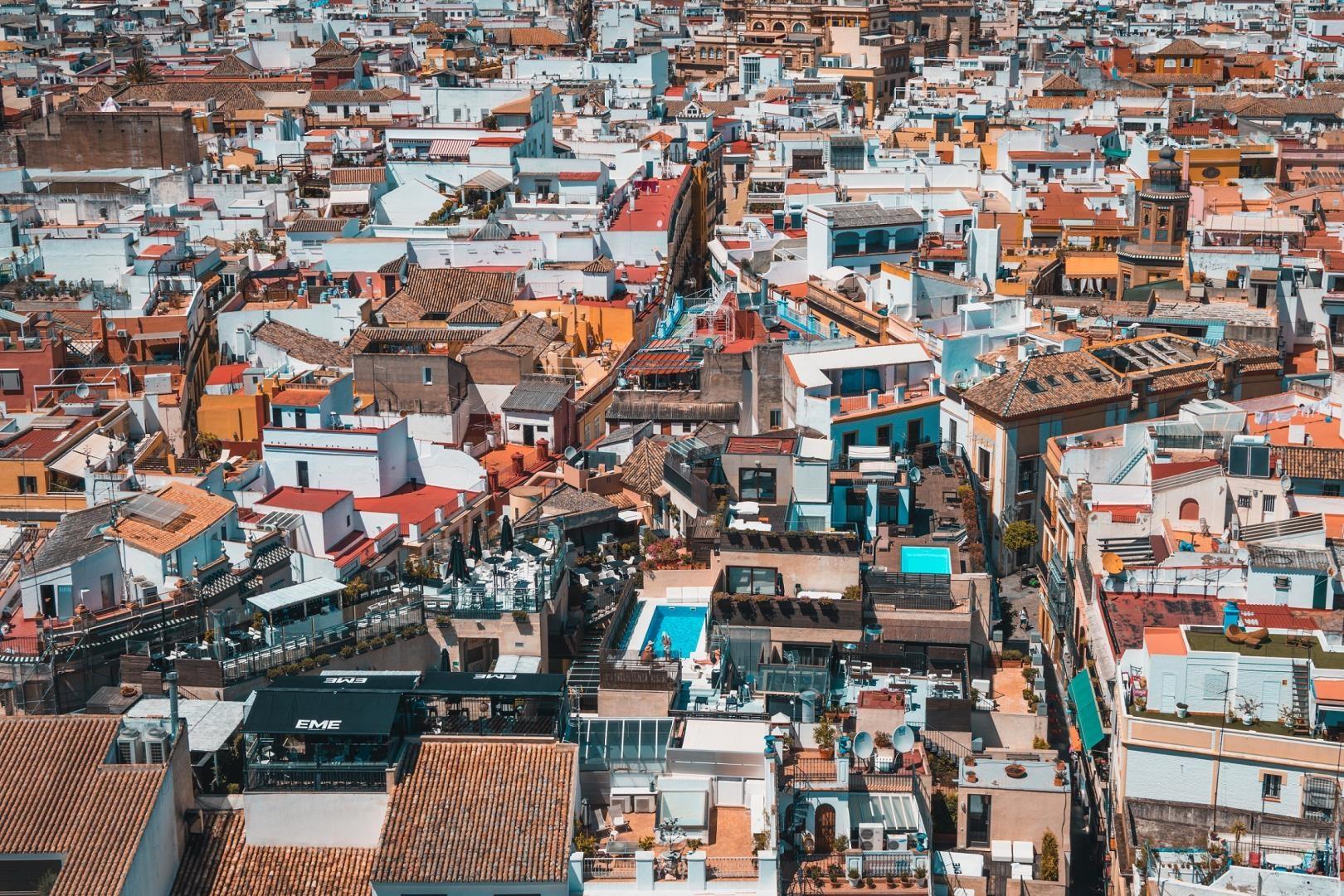
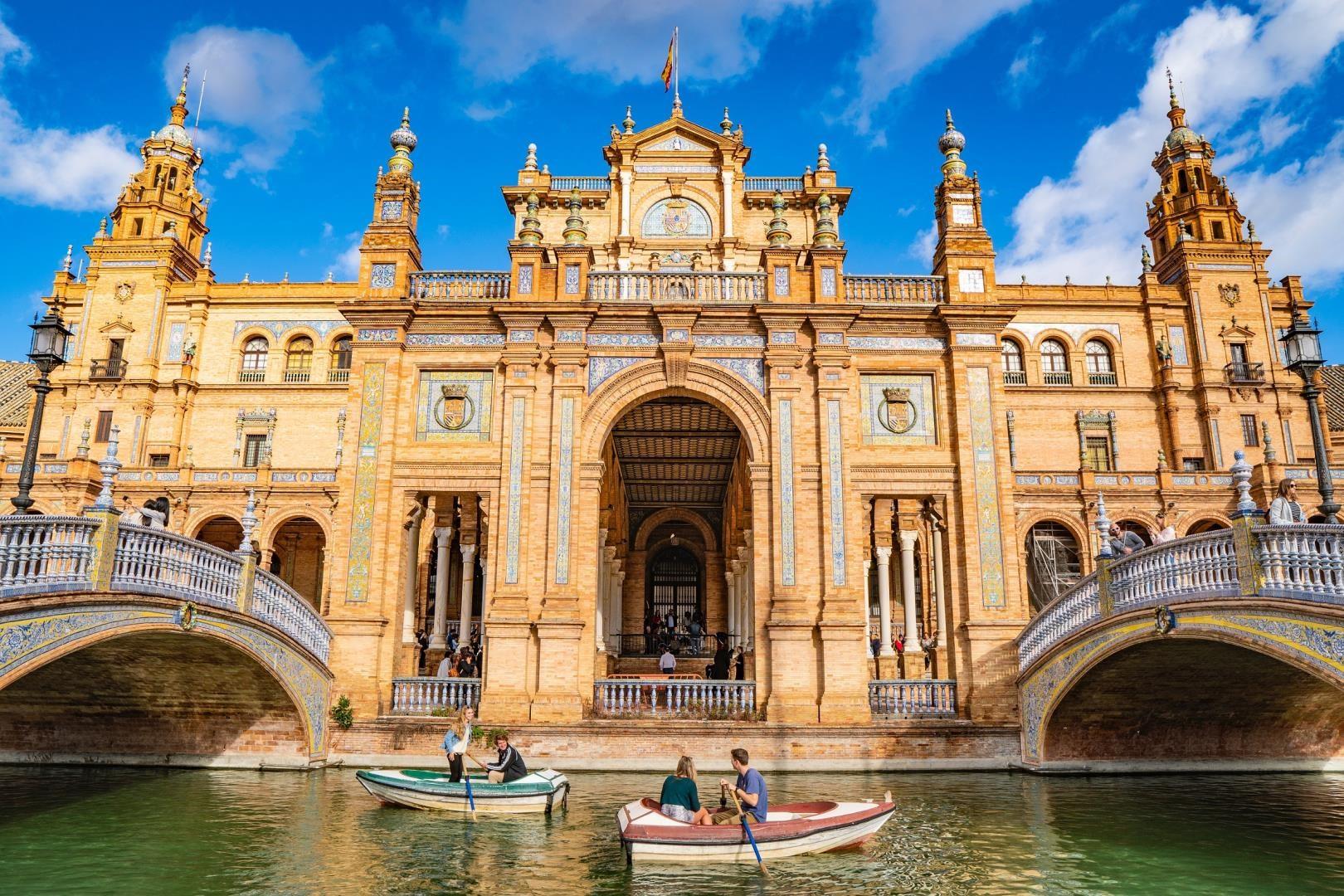
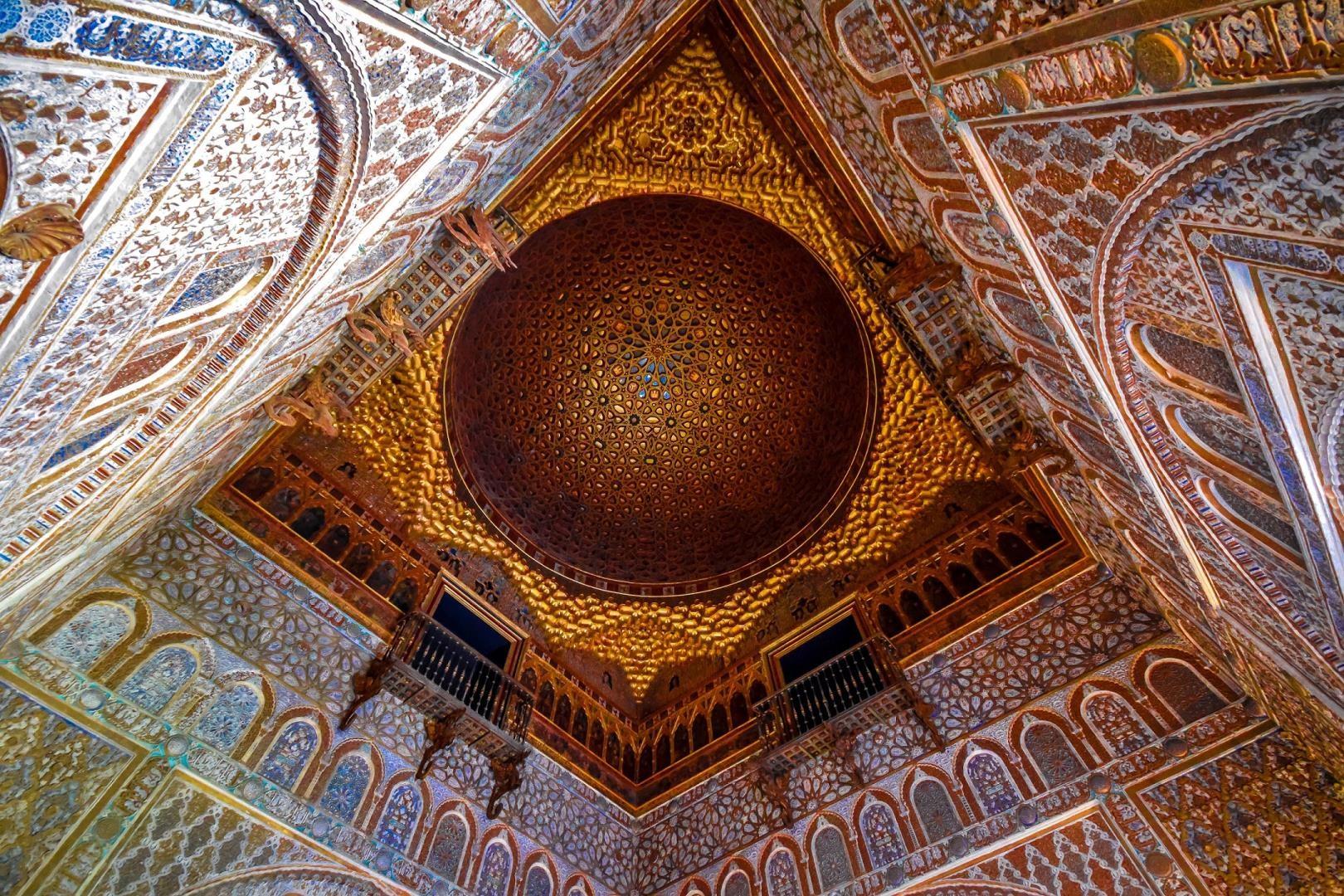
Must-sees in Seville include the landmark palace Royal Alcázar of Seville, the Gothic, bell-towered Catedral de Sevilla, and Plaza de España, an architectural marvel with Moorish, Baroque and Renaissance influences. Meanwhile, Museo del Baile Flamenco is the place to learn about flamenco dancing culture.