Thessaloniki
A rich experience awaits you in this wealthy, energetic and youthful Greek city. Revel in cosmopolitan pleasures: sophisticated shops and cafes, markets hidden away beyond historic city squares, and the superlative Archaeological Museum are but a few.
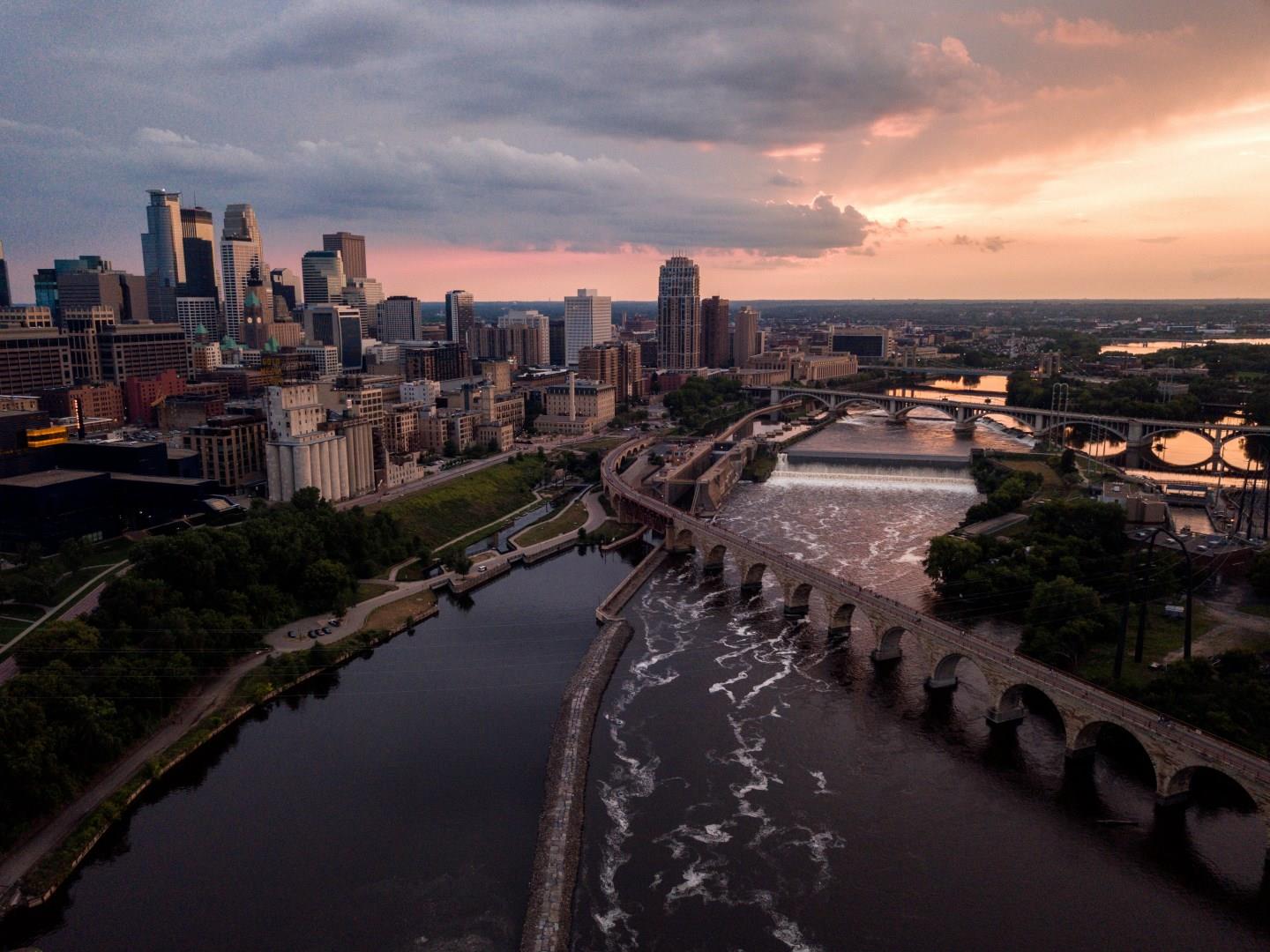
Minneapolis/St. Paul
Minneapolis stands out with its unexpected blend of urban energy and freshwater calm. Built along the banks of the Mississippi River, the city has grown from a flour-milling powerhouse into a hub of creativity, design, and culture. At the heart of downtown, the Mill City Museum, housed inside the ruins of what was once the world’s largest flour mill, offers hands-on exhibits that bring Minneapolis’s industrial past to life. Just outside, the Stone Arch Bridge spans the river with sweeping views
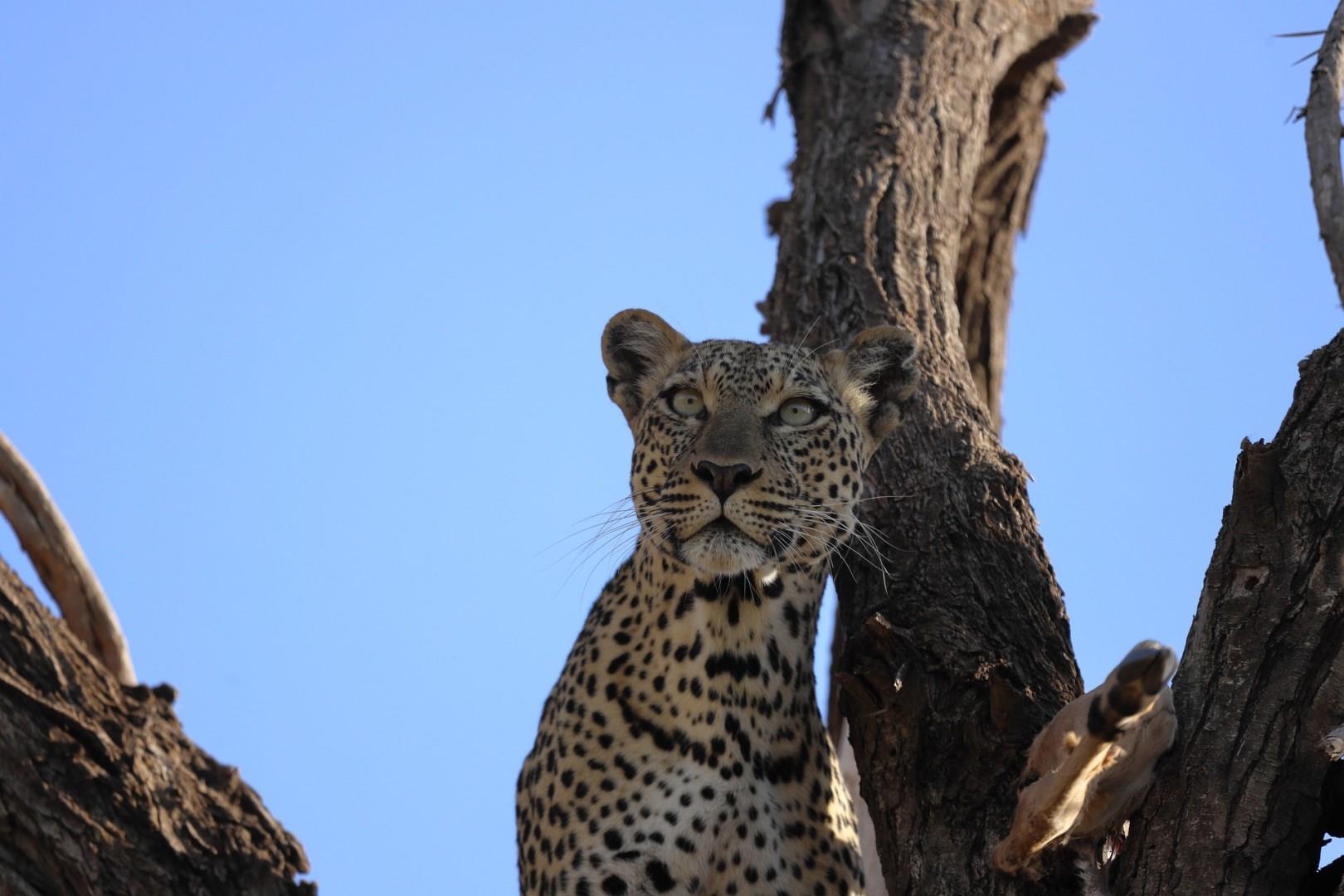
Samburu and Shaba Reserves
Samburu and Shaba Reserves are some of the most pristine reserves in Kenya, and protect a habitat surprisingly rich in wildlife. The Reserves provide the chance to see many species not found elsewhere in Kenya, such as Grey's zebra, the rare beisa oryx and the Somali ostrich.

Utah
Utah is renowned for its diverse landscapes and outdoor adventures. The state is home to the "Mighty 5" national parks: Arches, Bryce Canyon, Canyonlands, Capitol Reef, and Zion. Each park offers unique geological formations and breathtaking scenery, from the iconic Delicate Arch in Arches to the towering cliffs of Zion.

Inyeug
Inyeug, more commonly known as Mystery Island, is a tiny, uninhabited islet off the coast of Aneityum in Vanuatu’s southernmost province. Measuring just 1.5 kilometers long, the island is completely free of roads, shops, and electricity. What it offers instead is pure seclusion and untouched beauty. Cruise ships often anchor offshore, bringing day visitors to its white-sand beaches and shallow coral lagoons, but once they depart, the island returns to stillness.