

Pennsylvania
Pennsylvania offers more than just a glimpse into American history, it invites travelers to walk through it. In Philadelphia, the Liberty Bell still draws visitors from around the world, while Independence Hall, a UNESCO World Heritage Site, is where both the Declaration of Independence and the U.S. Constitution were debated and signed. Just a short walk away, modern museums like the National Constitution Center offer hands-on exhibits that connect the past to today’s civic questions.
Kerry County
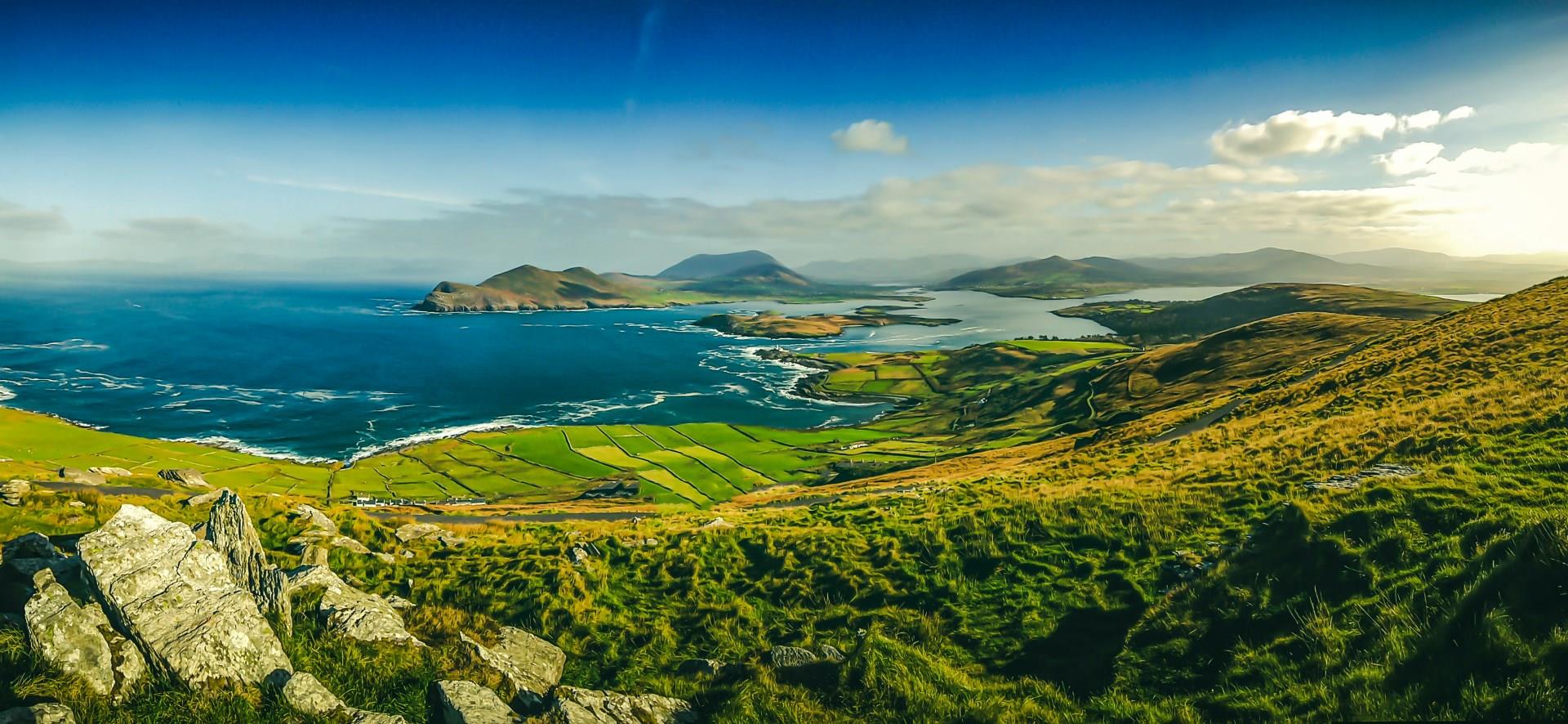
County Kerry, located in Ireland’s southwest corner, is a landscape of dramatic contrasts, where rugged mountains meet serene lakes and Atlantic waves crash against wild peninsulas. Known as “The Kingdom,” Kerry holds deep cultural and historical significance, with ancient ring forts, medieval monasteries, and Gaelic traditions that endure in everyday life.
Mystic
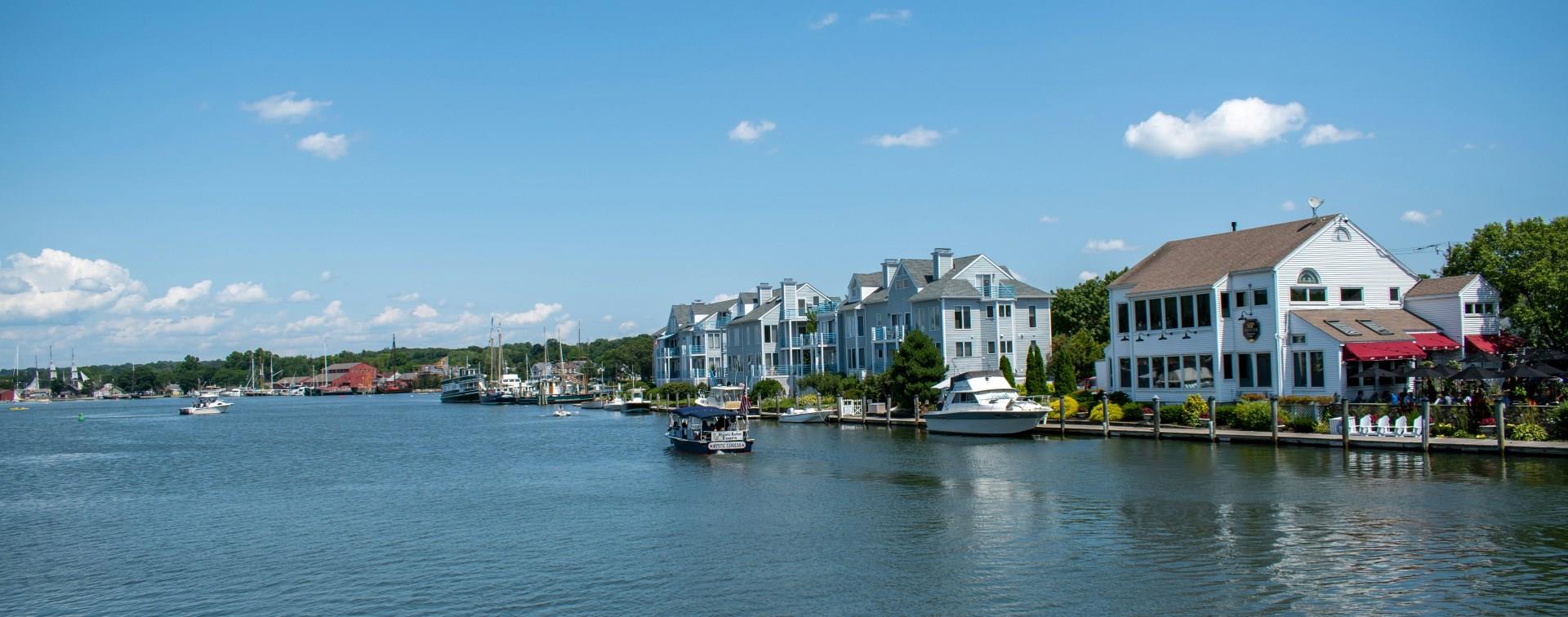
Mystic, Connecticut, is a small town with a big story, one shaped by shipbuilders, sea captains, and centuries of maritime tradition. Once a bustling shipbuilding center during the 18th and 19th centuries, Mystic still carries the soul of a working seaport. Today, visitors can explore its nautical past at the Mystic Seaport Museum, home to America’s last wooden whaleship, the *Charles W. Morgan*.
Pitlochry
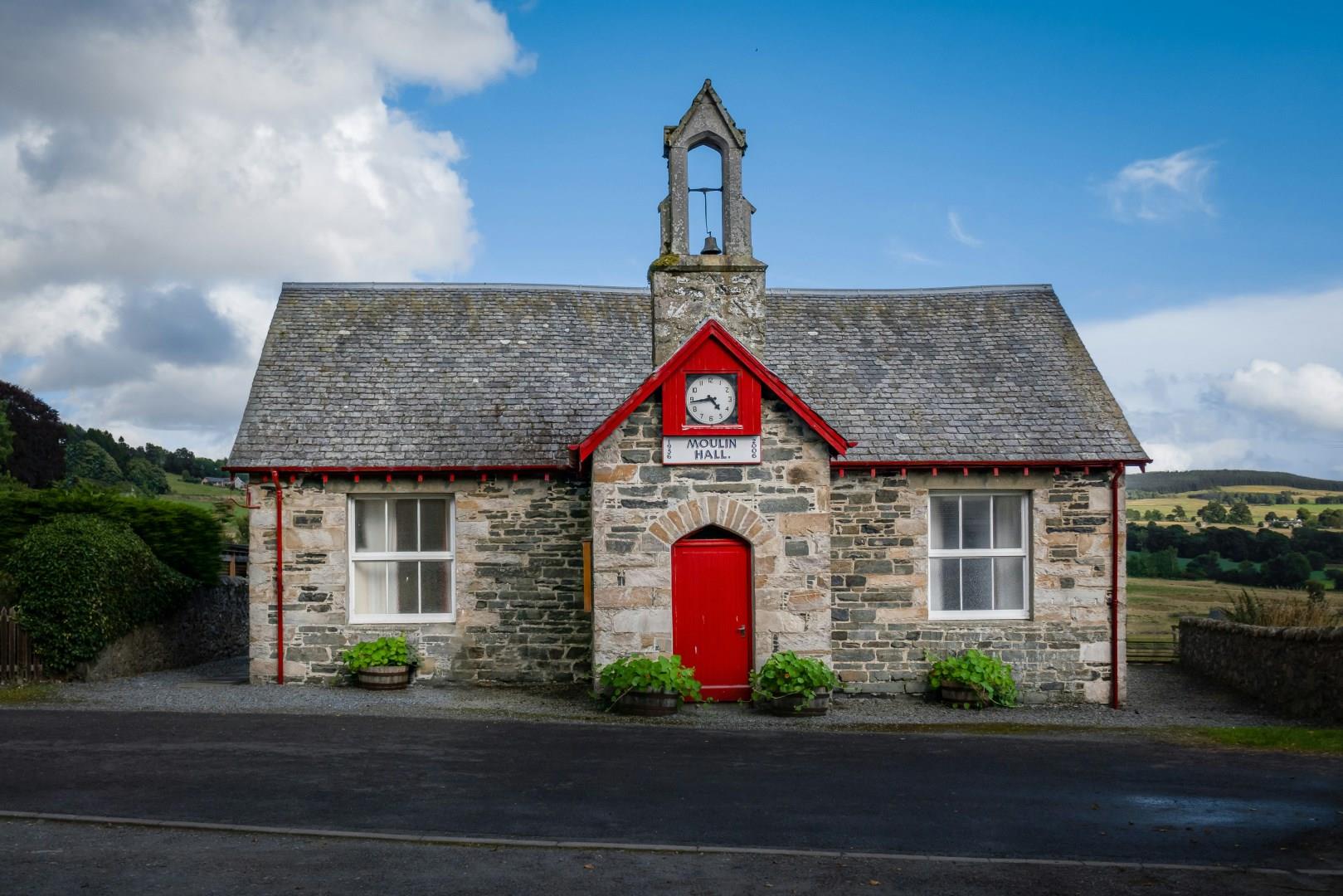
Pitlochry, a charming town in the heart of the Scottish Highlands, is celebrated for its Victorian architecture, scenic surroundings, and welcoming atmosphere.
Nuwara Eliya
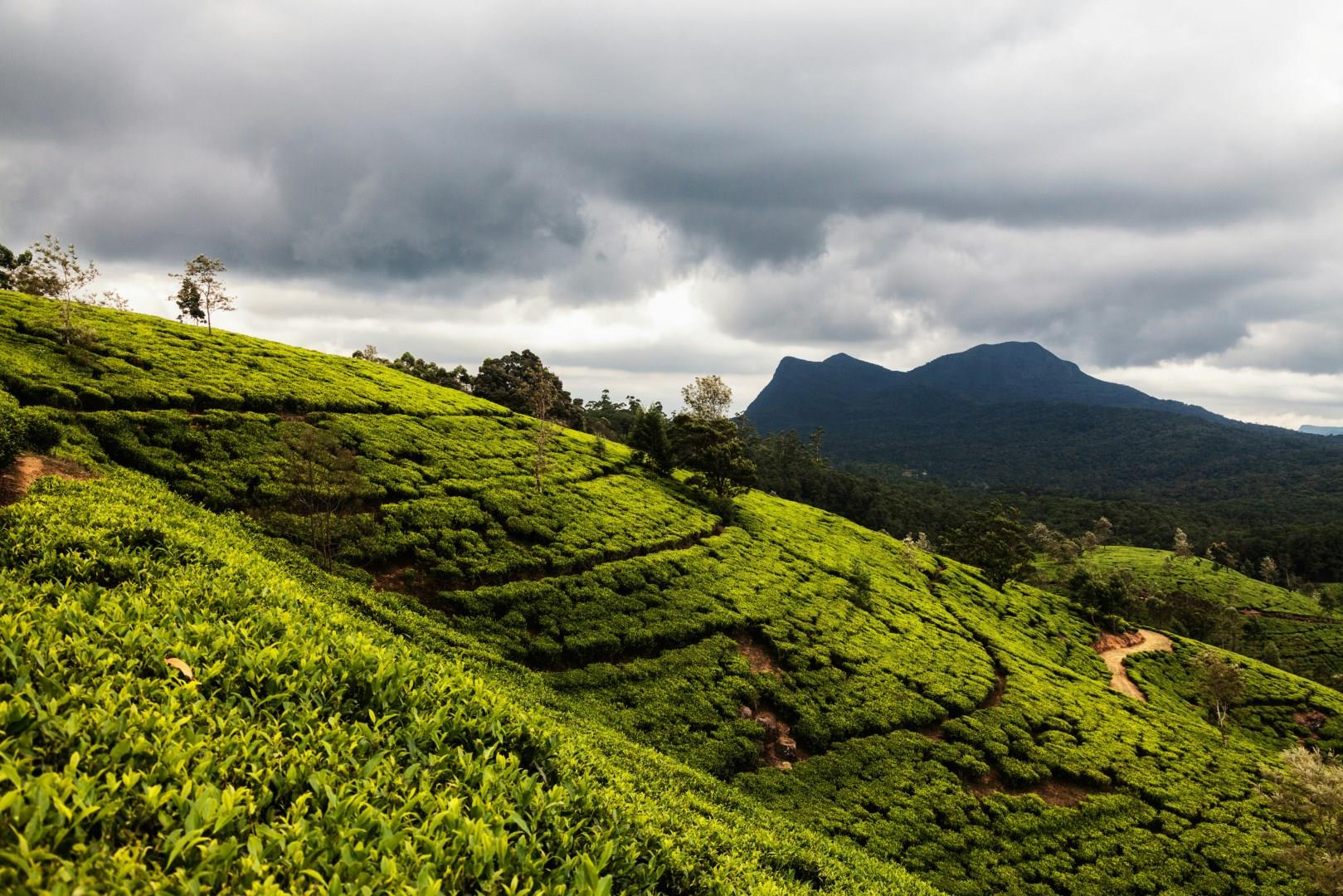
Nuwara Eliya sits high in Sri Lanka’s central highlands, above the plains at nearly 1,900 meters, with a climate that remains refreshingly mild year-round, which is a sharp contrast to the tropical warmth found elsewhere on the island. For those looking to explore the outdoors, Lake Gregory has long been a place for boating, walking, and watching the mist drift across the water at dawn.


