Evora
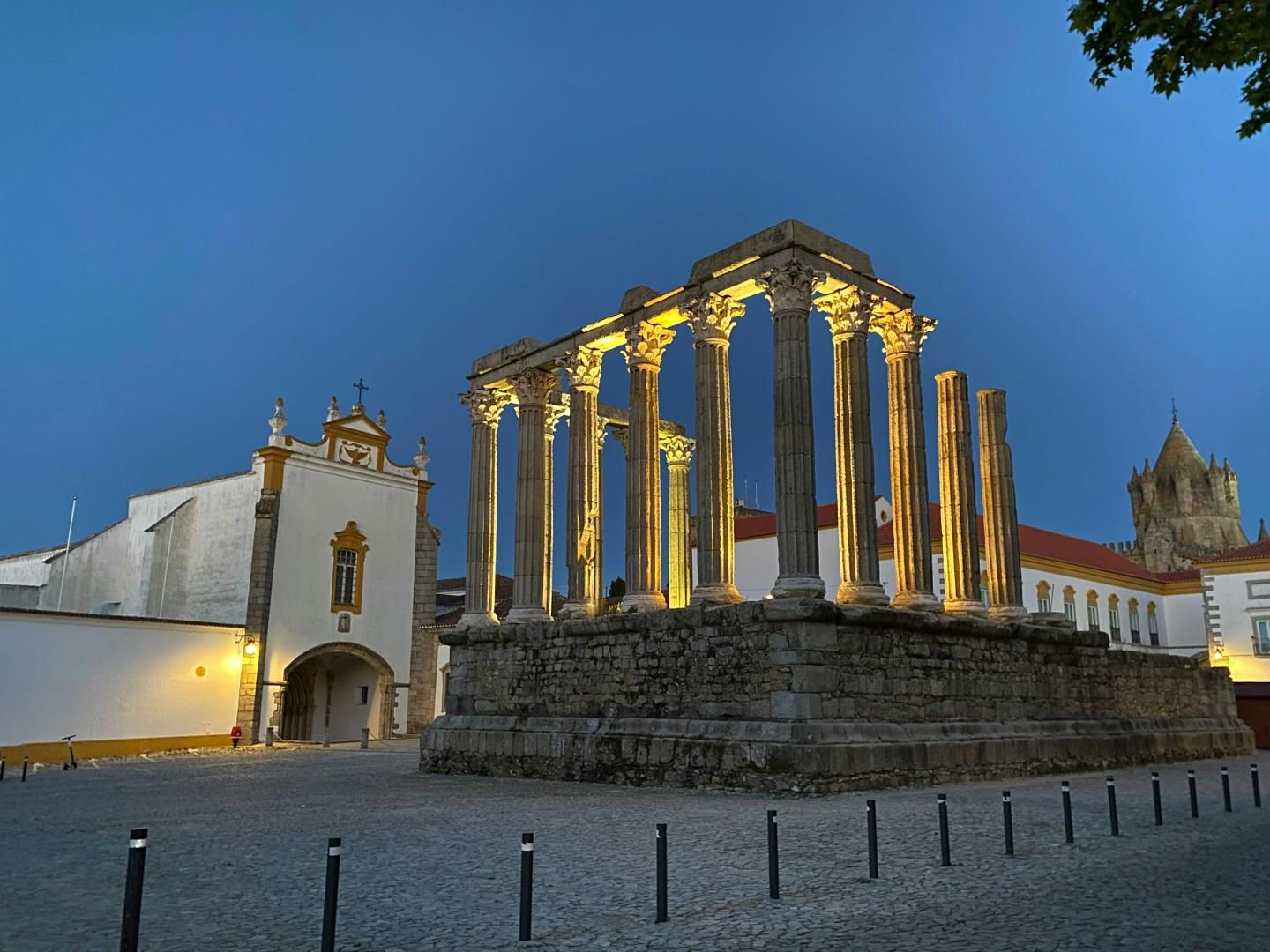
Évora, in Portugal’s Alentejo region, feels like stepping into a story that spans more than two thousand years. Its Historic Centre was named a UNESCO World Heritage Site for good reason with its ancient walls, homes with wrought-iron balconies, and narrow streets quietly preserve traces of Roman, Moorish, and medieval life. Beyond architecture and monuments, Évora reveals lesser-known treasures that reward exploration.
Èze
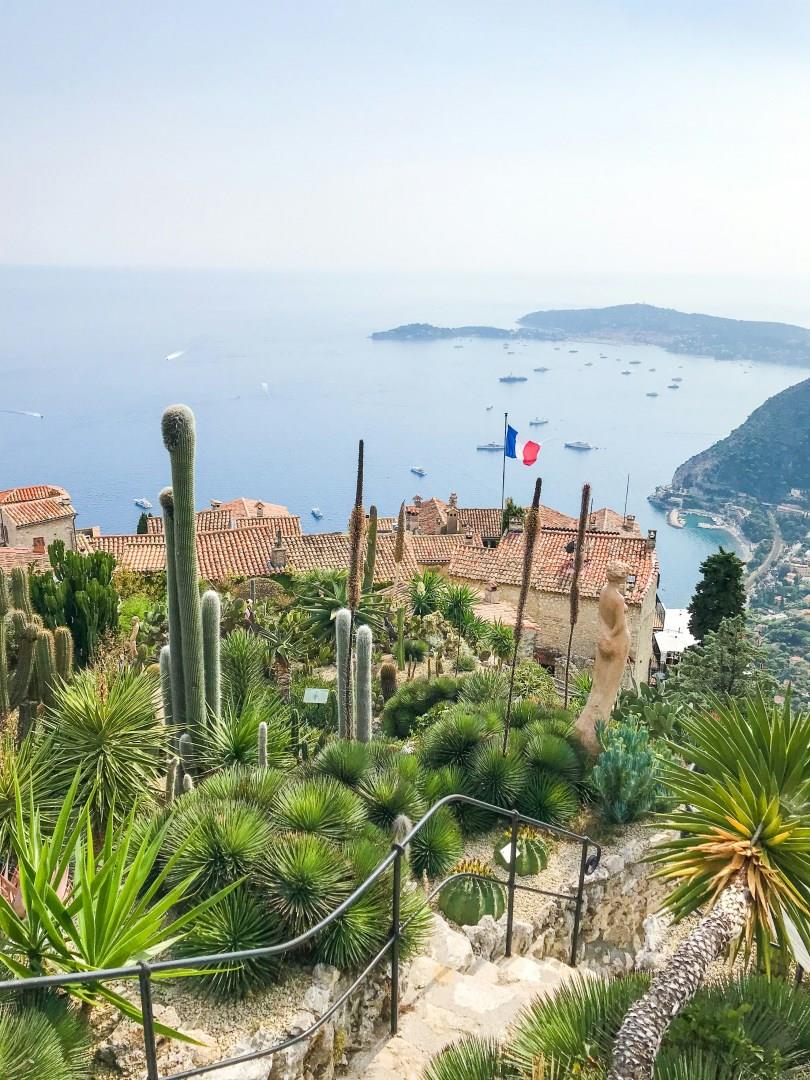
Eze is a hilltop village perched high above the Mediterranean on France’s Côte d’Azur, where stone houses and narrow lanes cling to a steep rocky outcrop between Nice and Monaco.
Cody
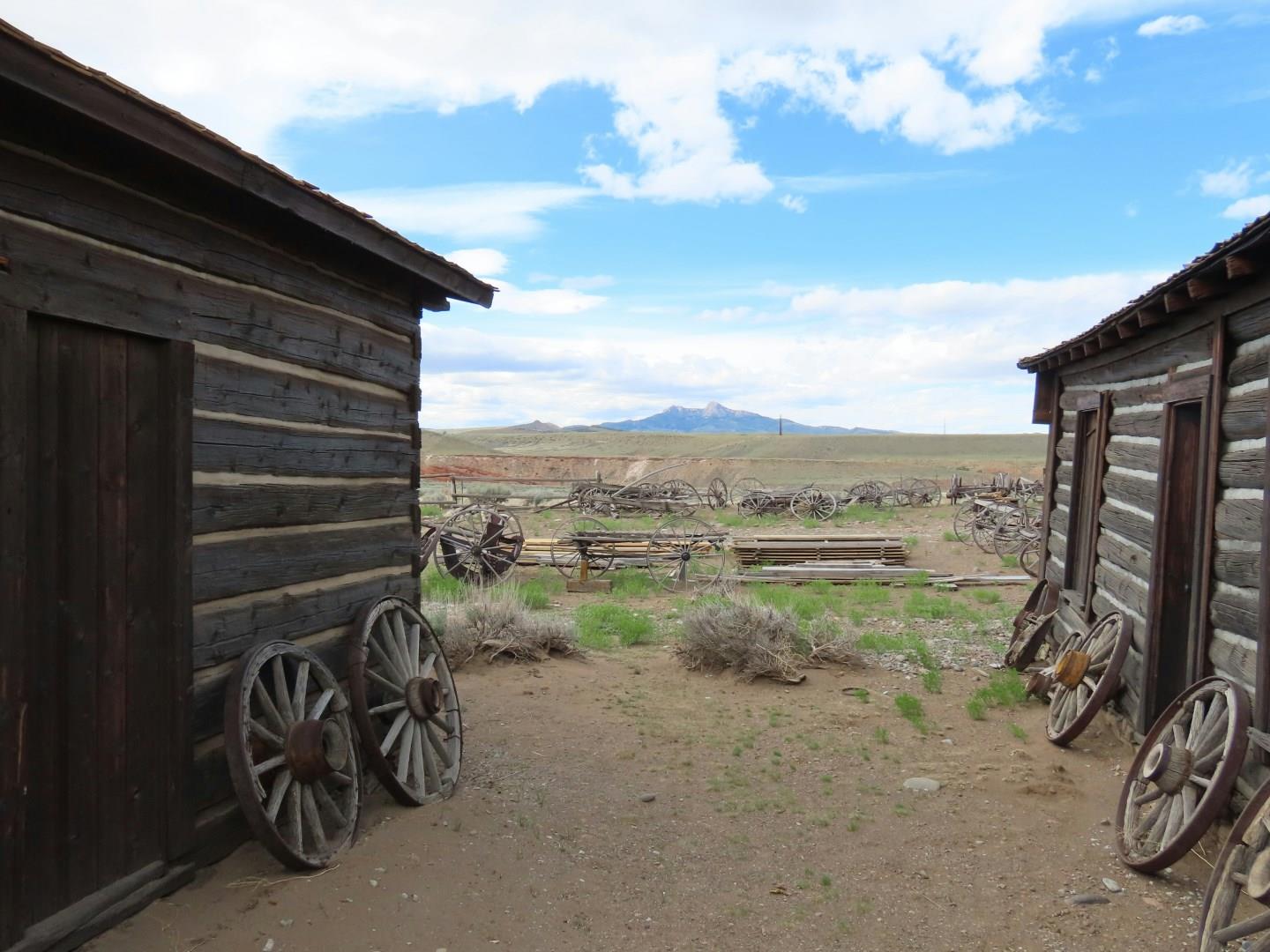
Cody, Wyoming, is a gateway to the American West, known for its connection to the legendary Buffalo Bill Cody and the pioneering spirit of the region.
Bartolome Island
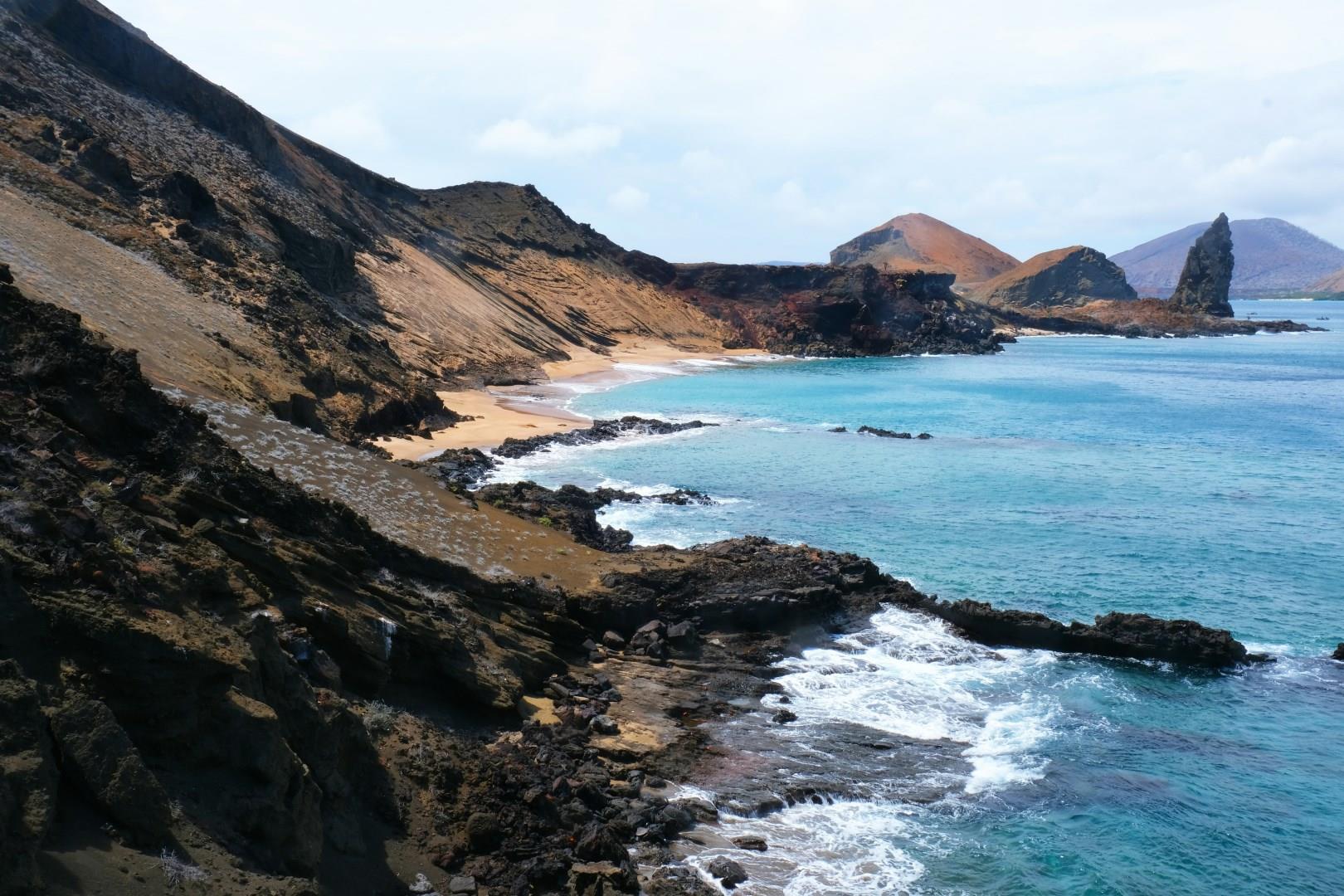
Bartolomé Island, one of the most iconic destinations in the Galápagos archipelago, is known for its dramatic volcanic landscape and the postcard-perfect view from its summit. Just off the east coast of Santiago Island, this uninhabited islet draws visitors for its unique terrain with lava flows, spatter cones, and a rust-colored cinder cone that rises sharply above the sea.
Falkland Islands
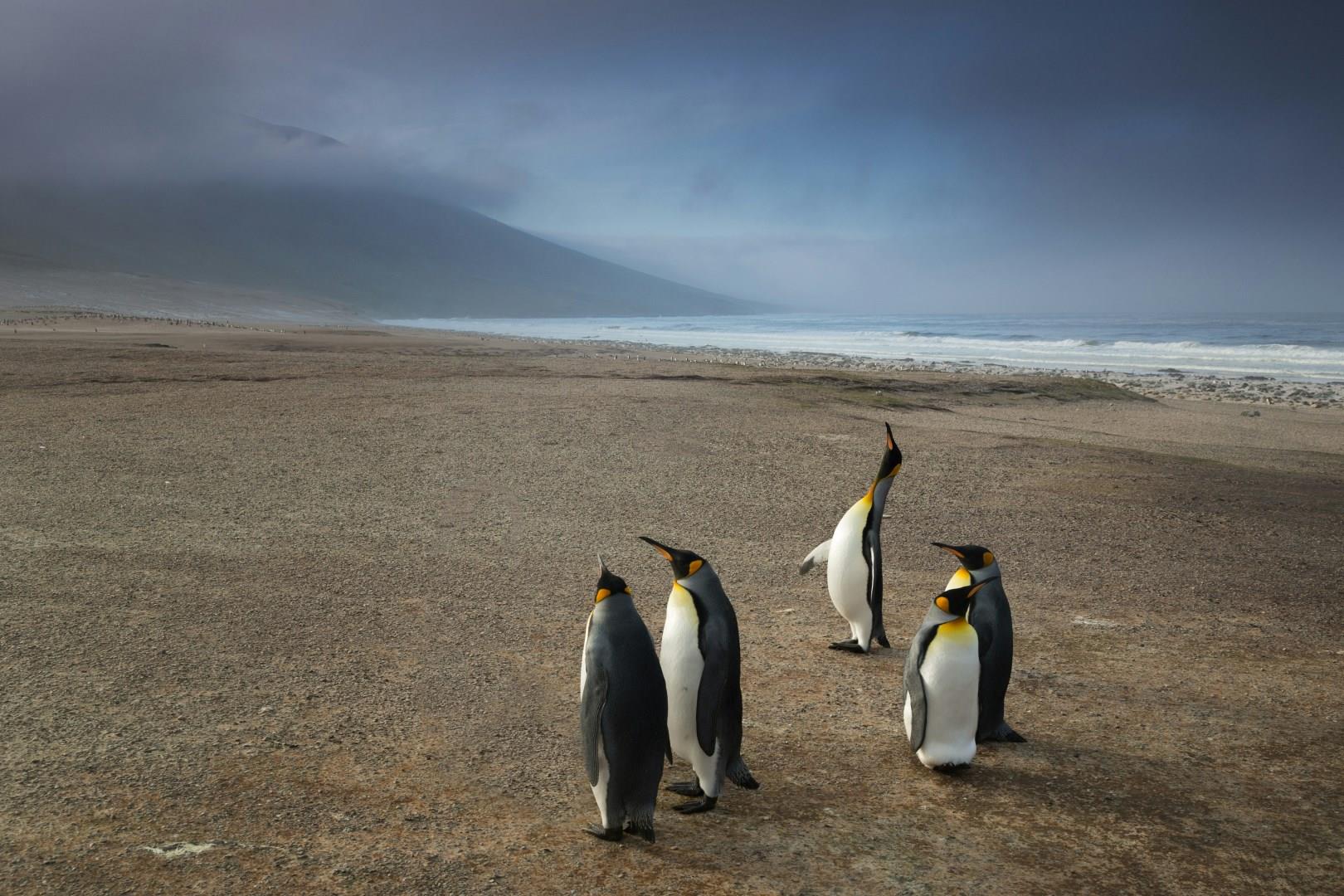
The Falkland Islands, a remote archipelago in the South Atlantic, offer a striking combination of wild open spaces, rich wildlife, and a way of life shaped by wind, sea, and resilience. With fewer than 3,500 residents spread across over 700 islands, the Falklands provide a rare opportunity to disconnect from busy modern life and connect with wide skies, rugged coastlines, and some of the most accessible wildlife experiences on the planet.