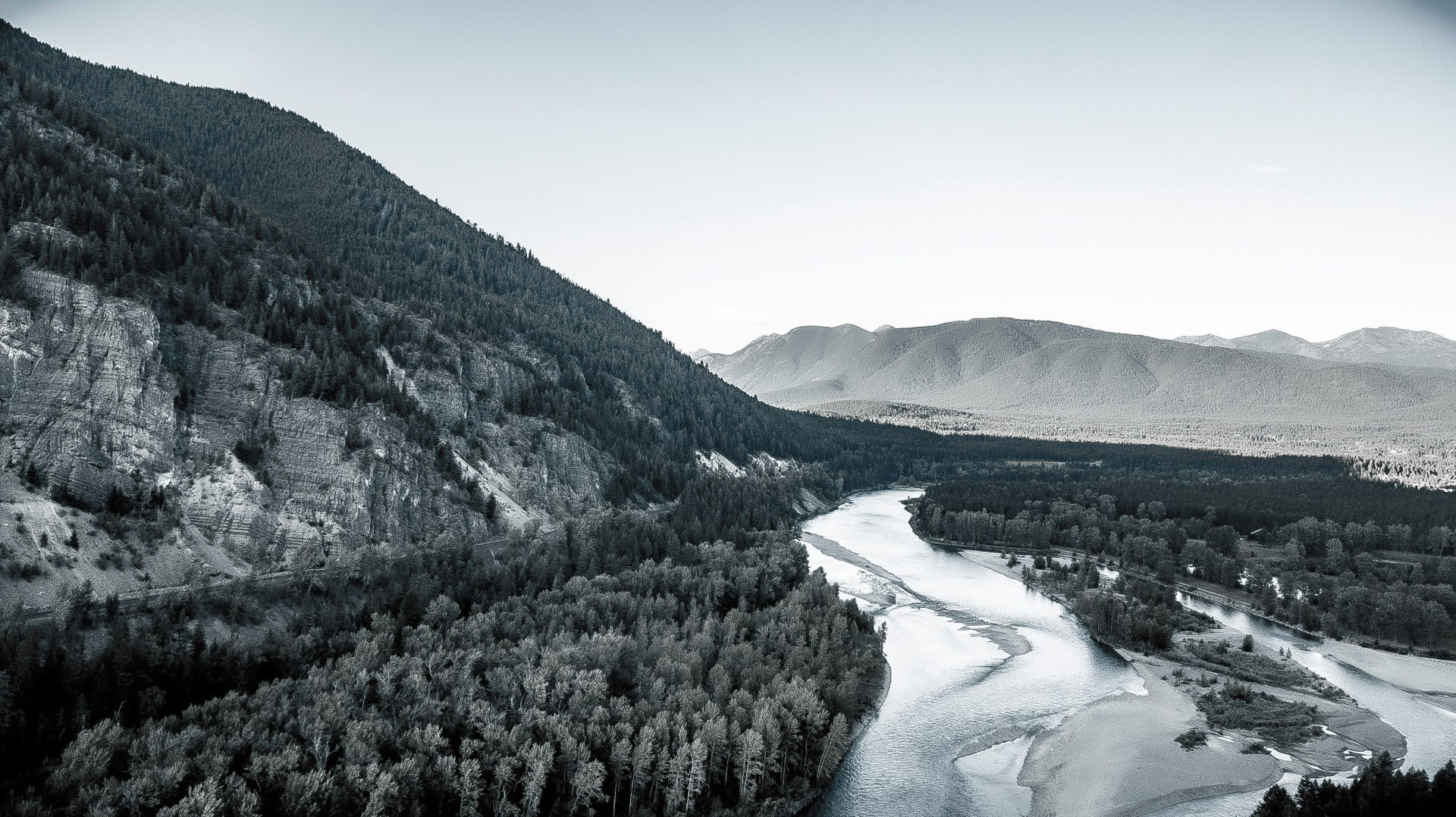
Whitefish
Nestled in the heart of the Rocky Mountains, Whitefish, Montana, is a gateway to breathtaking natural beauty and outdoor adventures. The charming town serves as a perfect base for exploring the nearby Glacier National Park, renowned for its stunning glaciers, pristine lakes, and extensive hiking trails. Whitefish itself is a vibrant community, where the scenic backdrop is matched by a bustling downtown filled with boutique shops, local restaurants, and cozy lodges.
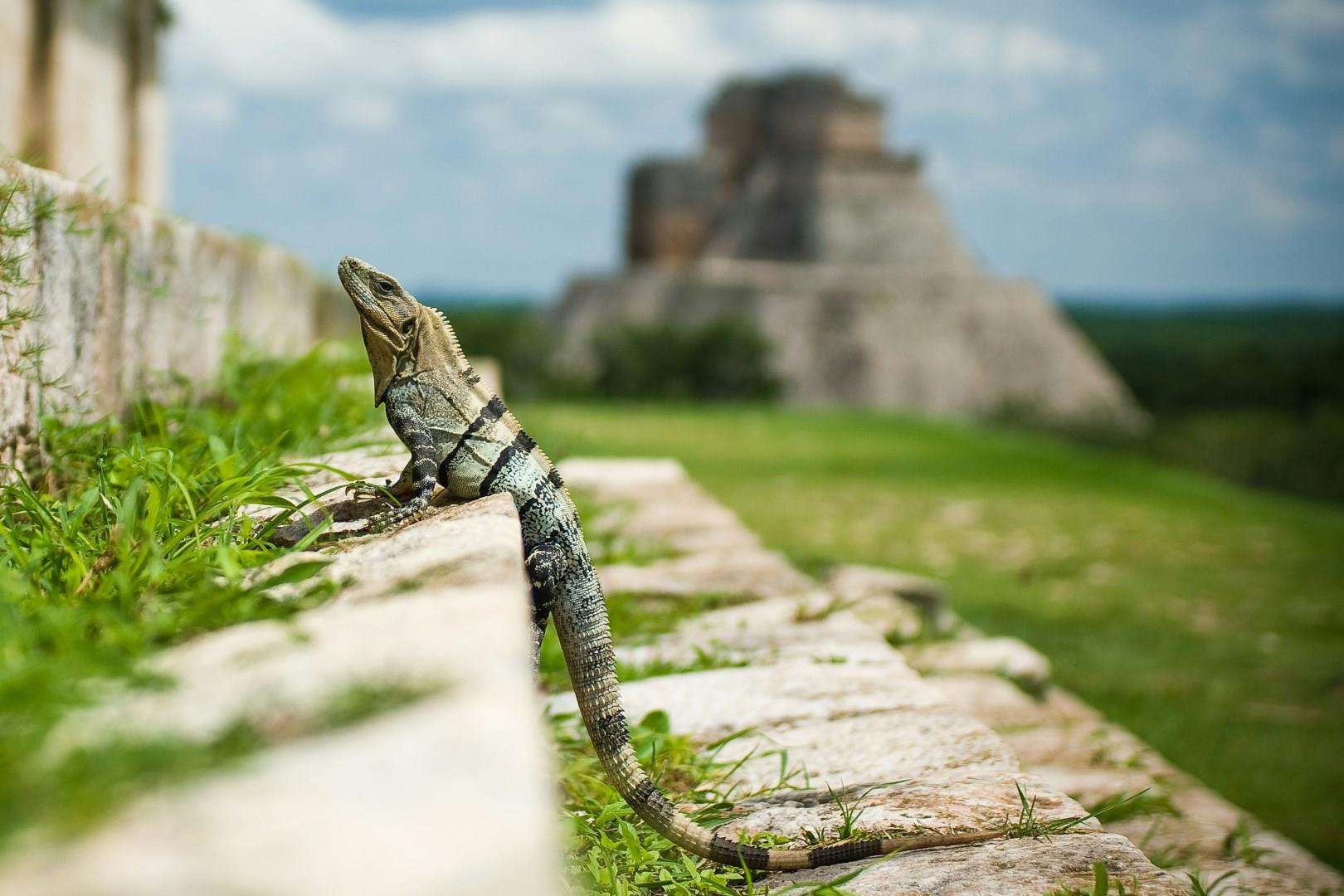
Uxmal
Uxmal, located about 80 kilometers south of Mérida in the Puuc region of Yucatán, is one of the most architecturally refined ancient Maya cities. Unlike other major Maya sites built with steep pyramids and narrow passageways, Uxmal is known for its smooth limestone structures, wide plazas, and intricate stone mosaics. One unique experience available to visitors is the nightly light and sound show, which uses colored projections to highlight carvings and narrate local legends and Maya cosmology.

Punakha
Punakha sits in one of Bhutan’s most fertile valleys, cradled where the Mo Chhu and Pho Chhu rivers meet. For centuries it served as the kingdom’s capital and remains a place rich with stories woven through its fields, temples, and riverbanks. The city’s low elevation brings warmer weather than much of Bhutan’s highland regions, and rice paddies fill the landscape with vivid green during planting and golden hues at harvest.

Glastonbury
Glastonbury, a town in Somerset, England, is steeped in mysticism and historical allure. Known for its rich Arthurian legends and spiritual significance, Glastonbury is a must-visit for those fascinated by mythology and history. The town’s centerpiece is the majestic Glastonbury Abbey, a grand ruin once one of the most powerful monasteries in England. Founded in the 7th century, the Abbey is famously linked to the legend of King Arthur and his supposed final resting place.

Port Louis
Port Louis, the bustling capital of Mauritius, is a vibrant melting pot of cultures, history, and modernity. Nestled between the verdant Moka Range and the Indian Ocean, this city invites visitors to explore its rich colonial past while embracing the dynamic energy of a thriving port town.