
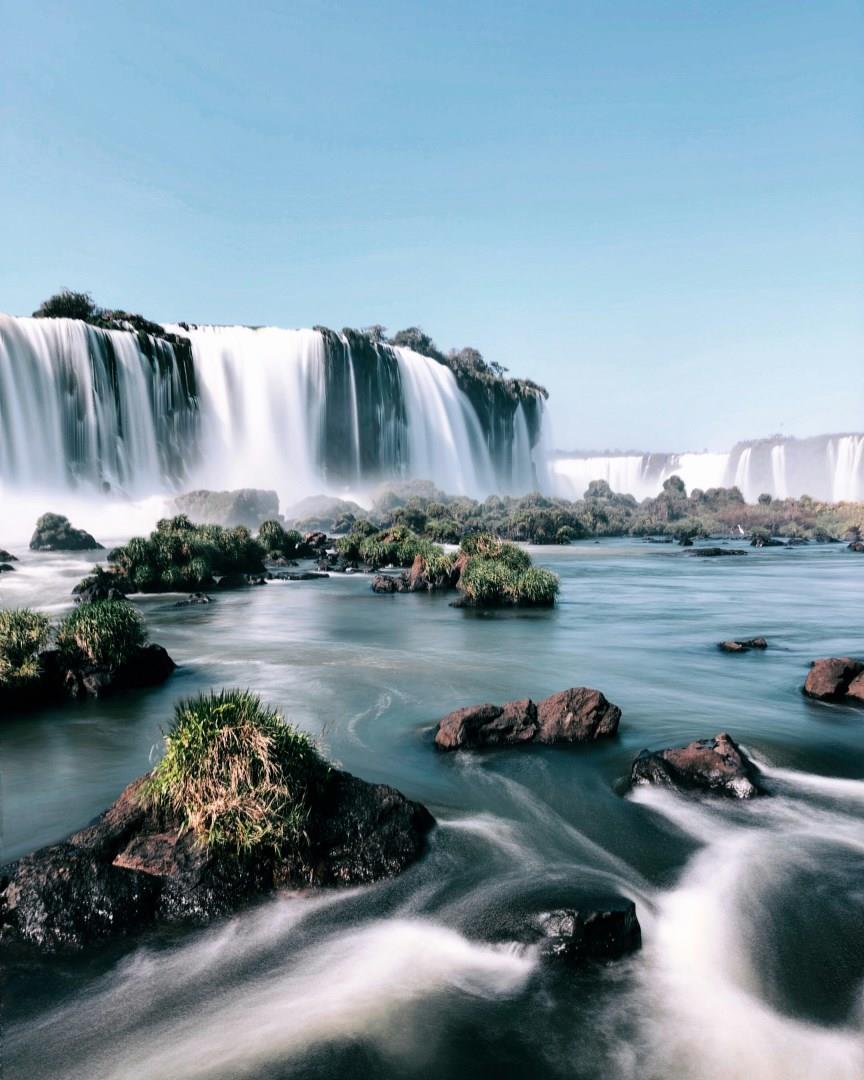
Foz do Iguaçu
Set at the meeting point of Brazil and Argentina, Foz do Iguaçu is defined by the sheer scale of the Iguaçu Falls. Nearly 275 individual waterfalls stretch across close to three kilometers, sending mist into the air and sound echoing through the surrounding forest. Visitors follow raised walkways that bring them face to face with this moving wall of water, culminating at the dramatic Devil’s Throat, a deep, curved drop where the river seems to vanish into the earth.

Alberta
Alberta, one of Canada’s western provinces, is renowned for its dramatic natural landscapes and vibrant cultural heritage. It’s a place where sweeping prairies give way to towering peaks, and where Indigenous traditions and pioneer history are deeply interwoven.
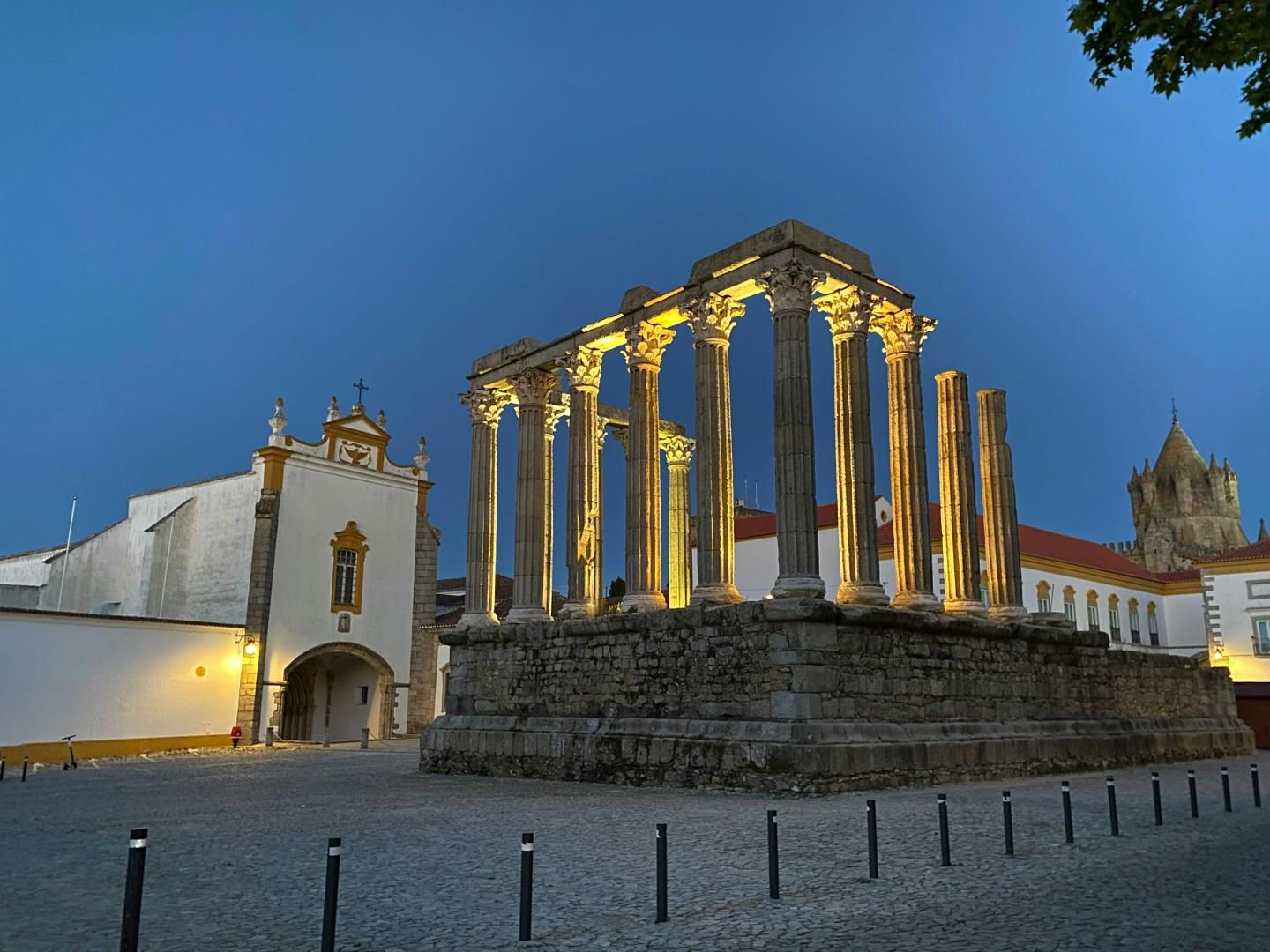
Evora
Évora, in Portugal’s Alentejo region, feels like stepping into a story that spans more than two thousand years. Its Historic Centre was named a UNESCO World Heritage Site for good reason with its ancient walls, homes with wrought-iron balconies, and narrow streets quietly preserve traces of Roman, Moorish, and medieval life. Beyond architecture and monuments, Évora reveals lesser-known treasures that reward exploration.
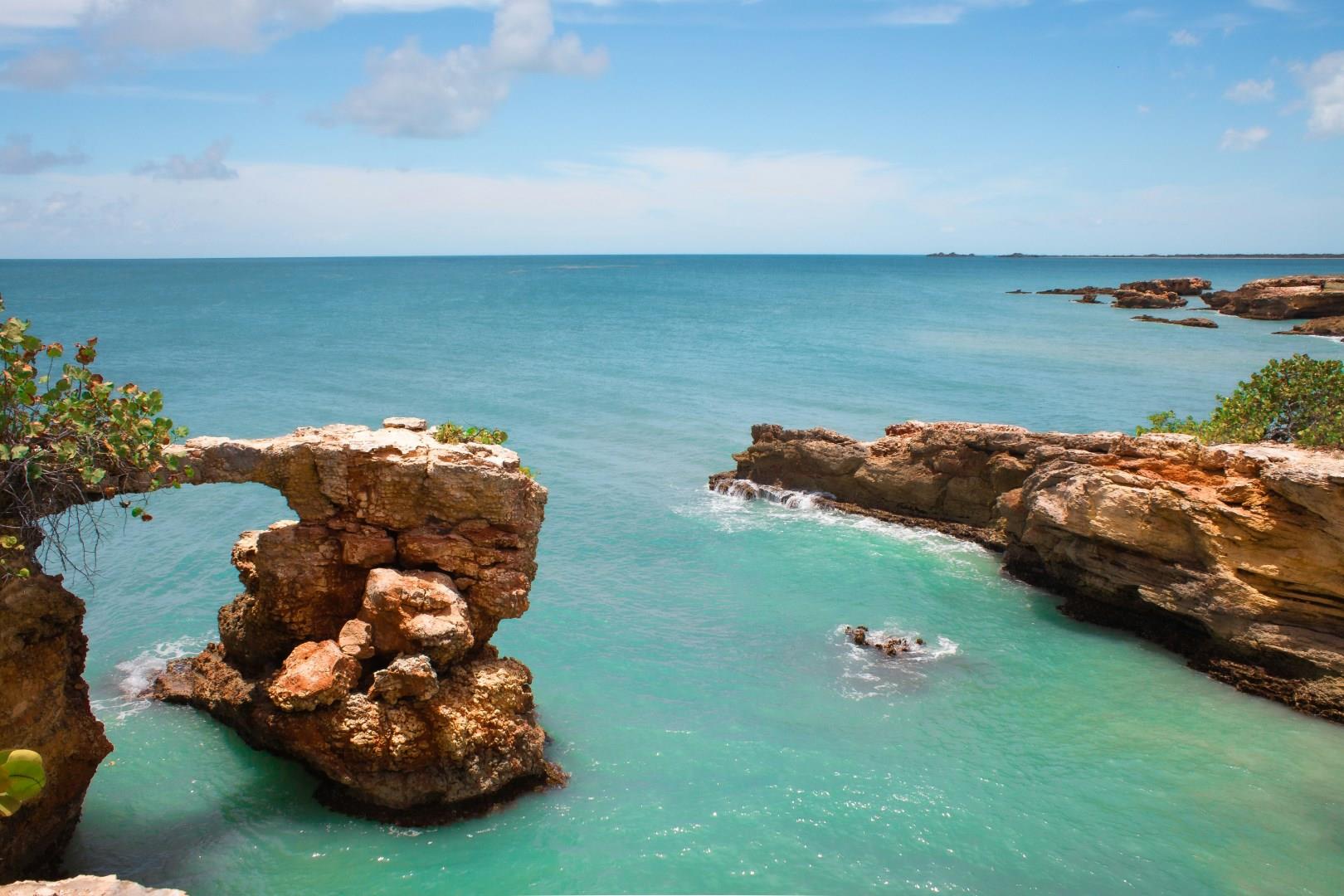
Cabo Rojo
Cabo Rojo, located on the southwestern coast of Puerto Rico, is a region of striking natural contrasts where salt flats, mangroves, and limestone cliffs meet the sparkling Caribbean Sea. Its most iconic feature is the Cabo Rojo Lighthouse perched on dramatic cliffs overlooking the ocean, offering panoramic views of turquoise waters and nearby beaches.

Miami
Nestled between Biscayne Bay to the east and Everglades National Park to the west, Miami, Florida is one of the Sunshine State's most vibrant, culturally diverse, and dynamic cities.


