Dingle
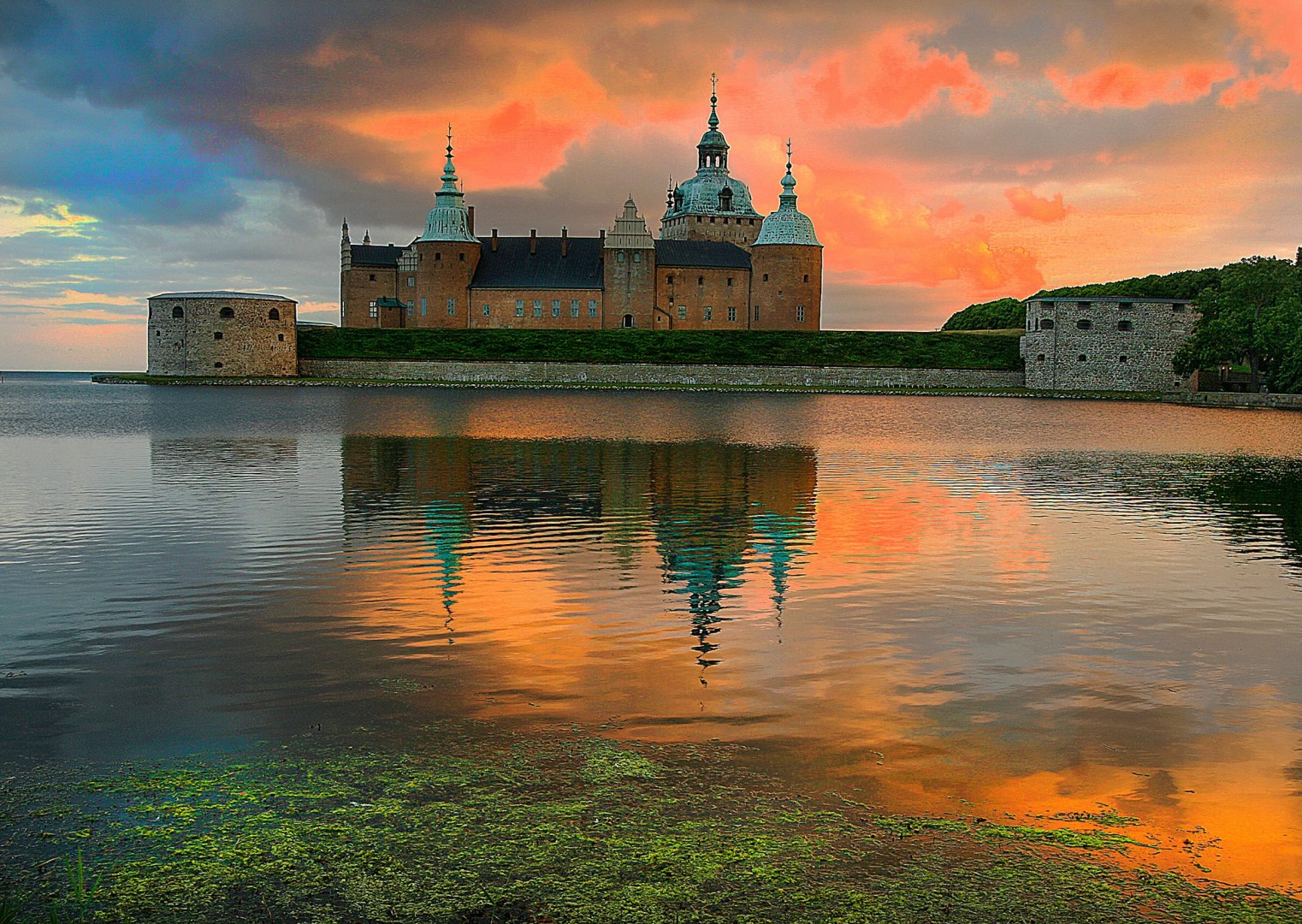
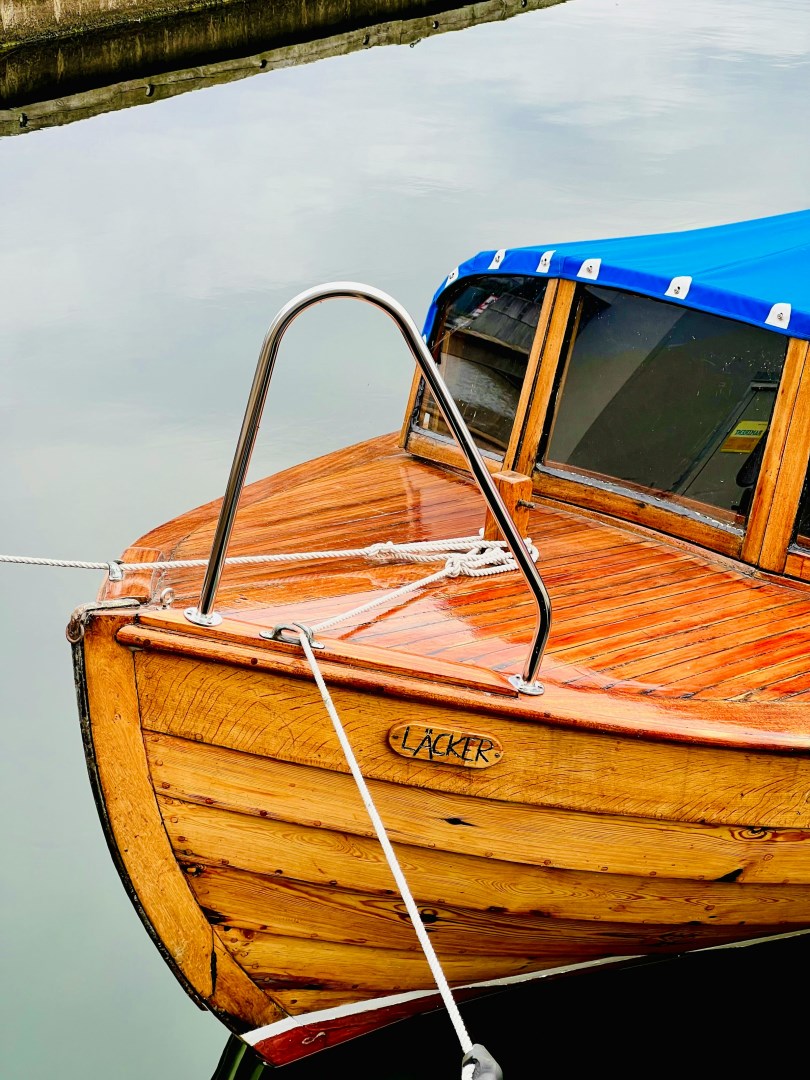
Nestled along the picturesque southwest coast of Ireland, the charming town of Dingle offers a quintessential Irish experience with its stunning landscapes and rich cultural heritage. The town is renowned for its vibrant harbor and traditional pubs, where visitors can enjoy lively music sessions and savor local seafood dishes. The Dingle Peninsula, with its rugged cliffs and scenic drives, is a highlight for nature enthusiasts and those seeking breathtaking vistas.
Niigata
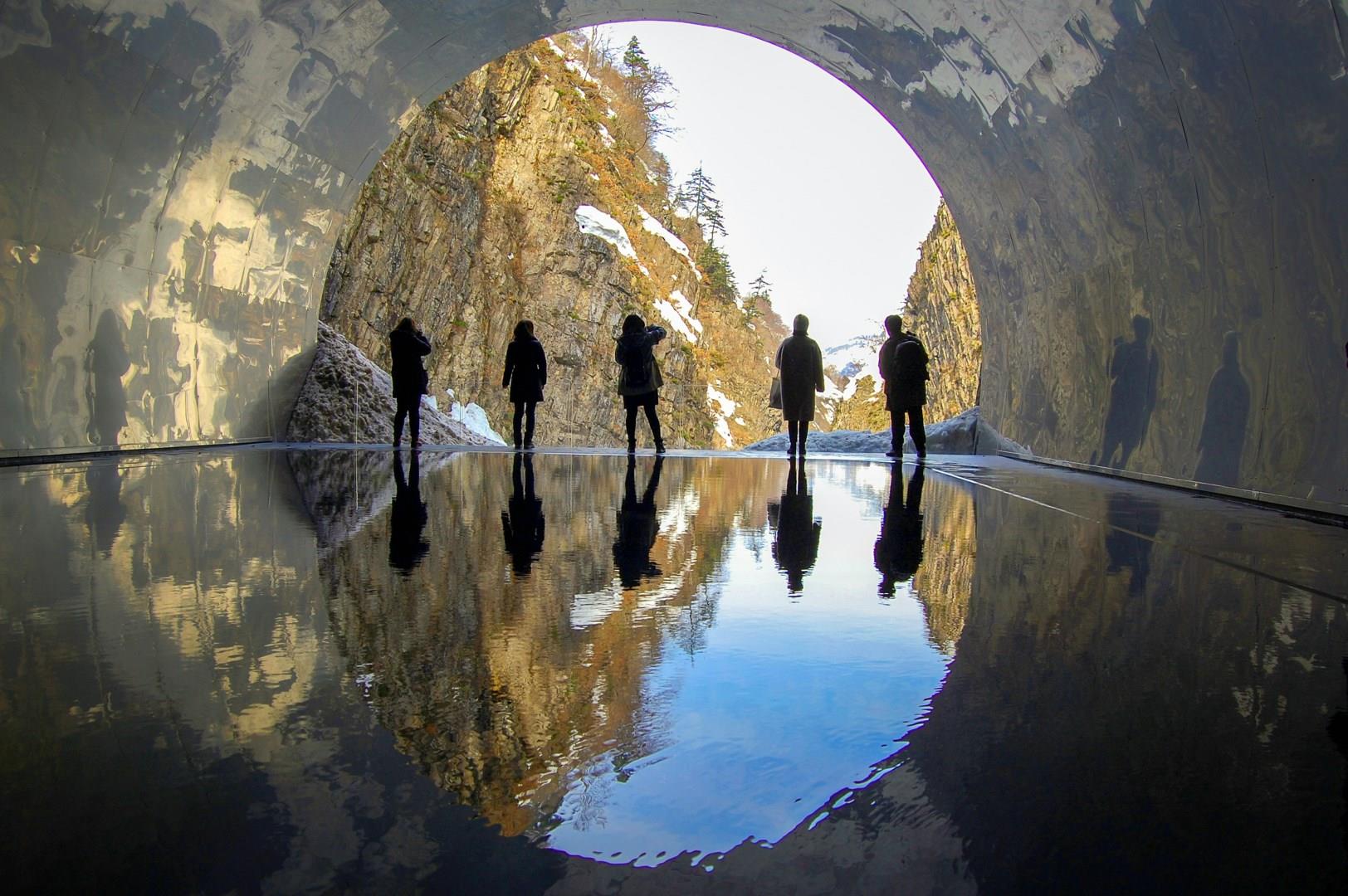
Niigata sits along the Sea of Japan on Honshu’s west coast, a place where long winters and bright summers shape its traditions and flavors. For centuries this region has produced some of Japan’s finest rice, especially the Uonuma Koshihikari variety known for its rich taste and texture. That quality rice helps make Niigata sake famous across the country, and visitors can sample more than 90 local brews at tasting spots such as Ponshukan inside Niigata Station.

New Orleans
New Orleans is unlike any other city in the United States. Founded in 1718, it carries layers of French, Spanish, African, and Caribbean influence that can be felt in everything from its architecture to its street music. The French Quarter, the oldest neighborhood in the city, is full of iron-laced balconies, gas lamps, and narrow streets that echo with the sounds of live jazz.

Grundarfjörður
Situated on the north coast of the Snæfellsnes peninsula between a mountain range and the sea is the small town of Grundarfjordur, Iceland. Though certainly now the most well-known town on the peninsula, its nearby mountain Kirkjufell ("church mountain" in Icelandic) is perhaps Iceland's most famous.
Boumalne Dades
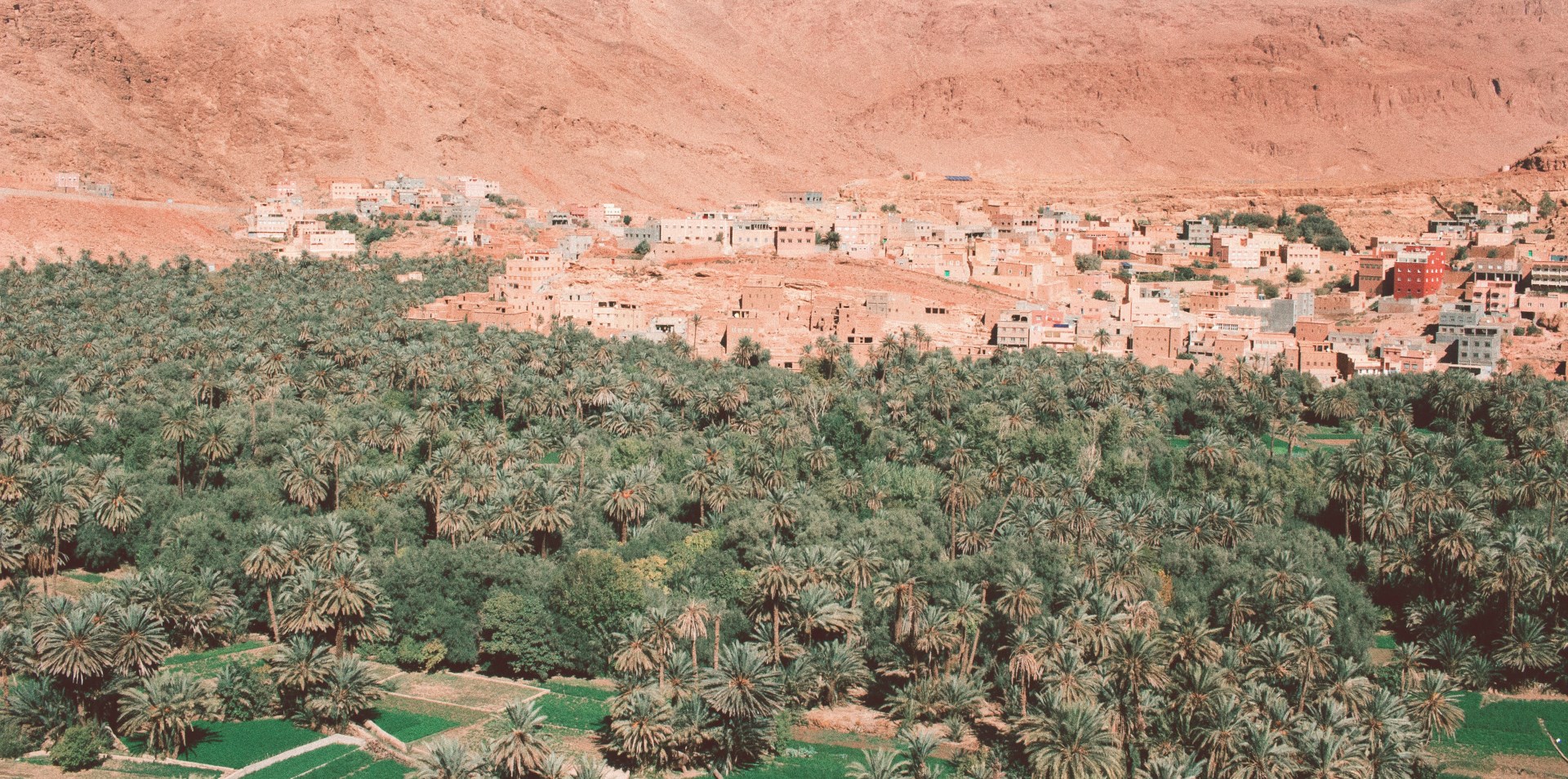
At the edge of the High Atlas Mountains, Boumalne Dades stands as a gateway to one of Morocco’s most striking landscapes. The town stretches along a broad valley where the Dades River cuts through layers of red and ochre rock. This setting creates a dramatic backdrop that shifts in color throughout the day. Travelers often arrive here as a stopping point, but many stay longer after discovering the slower rhythm of village life and the easy access to nearby valleys and gorges.