
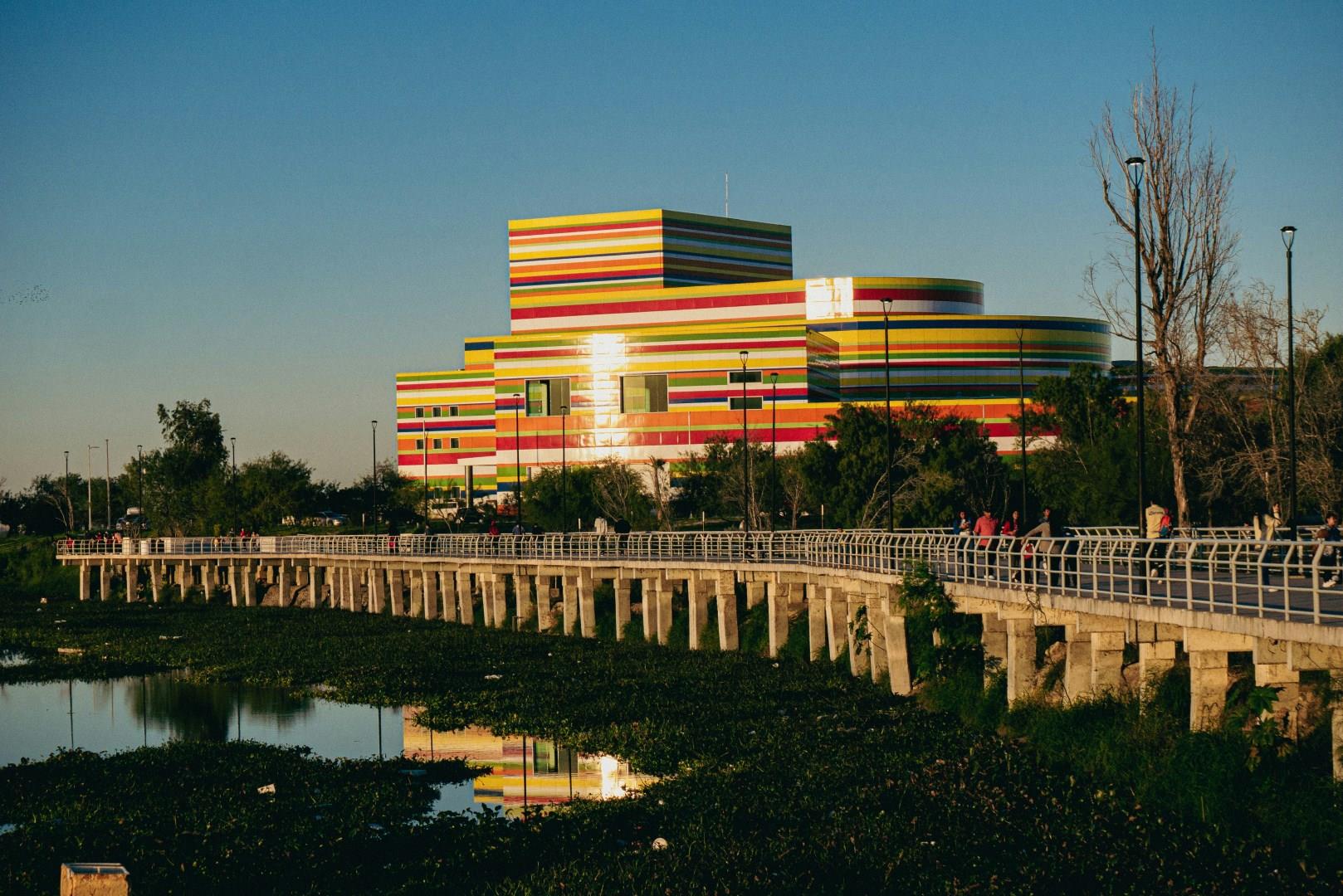
Reynosa
Reynosa, located along the northern border of Tamaulipas, is a city shaped by its position as a cultural and economic bridge between Mexico and the United States. Founded in 1749, Reynosa has grown into a vital manufacturing and trade center, but it also holds onto traditions that reflect both its regional roots and binational influences. The Plaza Principal is a popular gathering spot, often hosting live music and seasonal festivals.
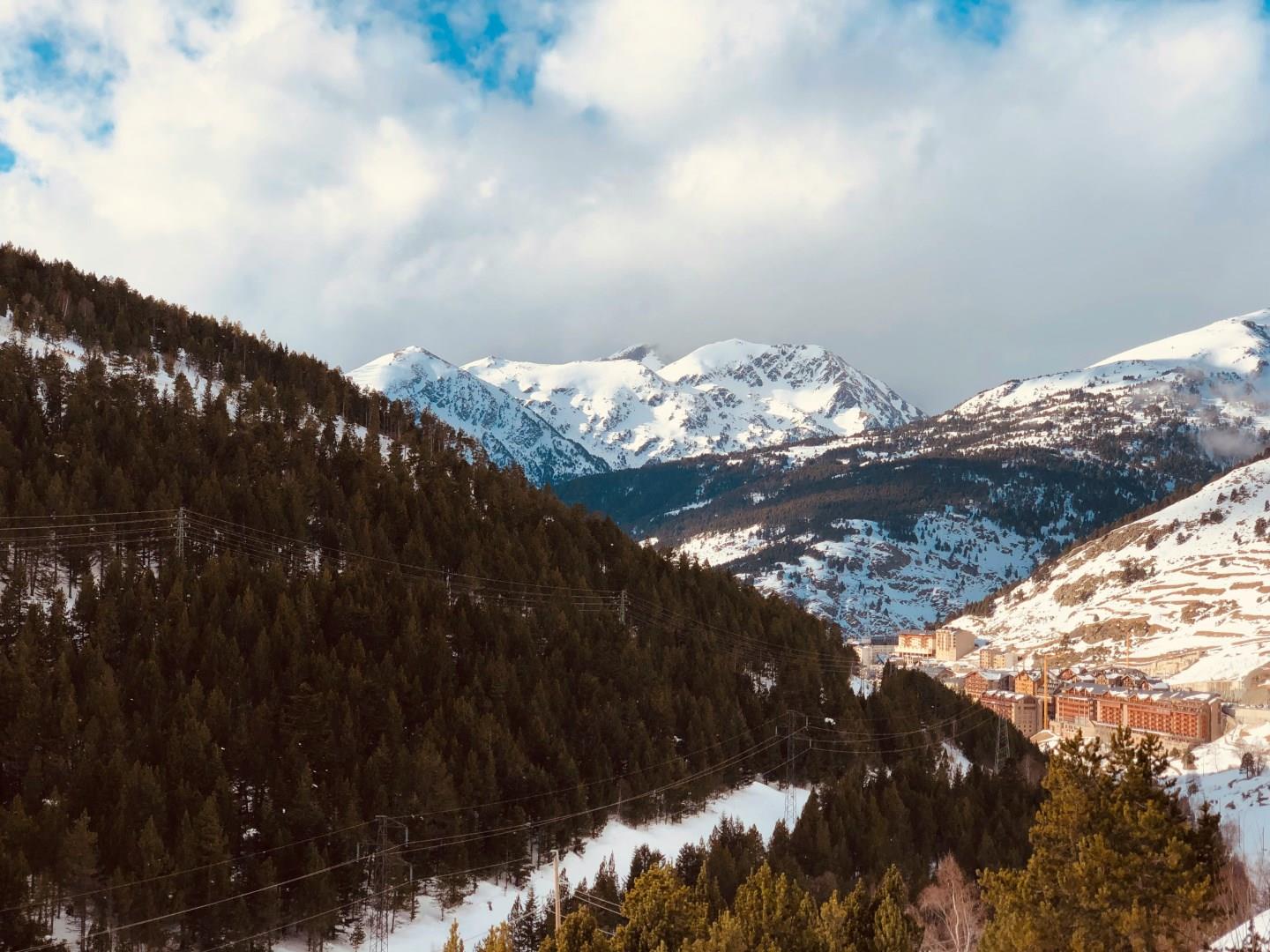
Soldeu
Nestled high in the Pyrenees, Soldeu is a mountain village in the principality of Andorra, best known for its access to Grandvalira, which is one of the largest ski areas in Southern Europe. At 1,800 meters above sea level, Soldeu has grown from a quiet farming village into a winter destination with over 200 kilometers of slopes. It hosted World Cup alpine ski races in 2019 and is scheduled to host the Finals again in 2029.
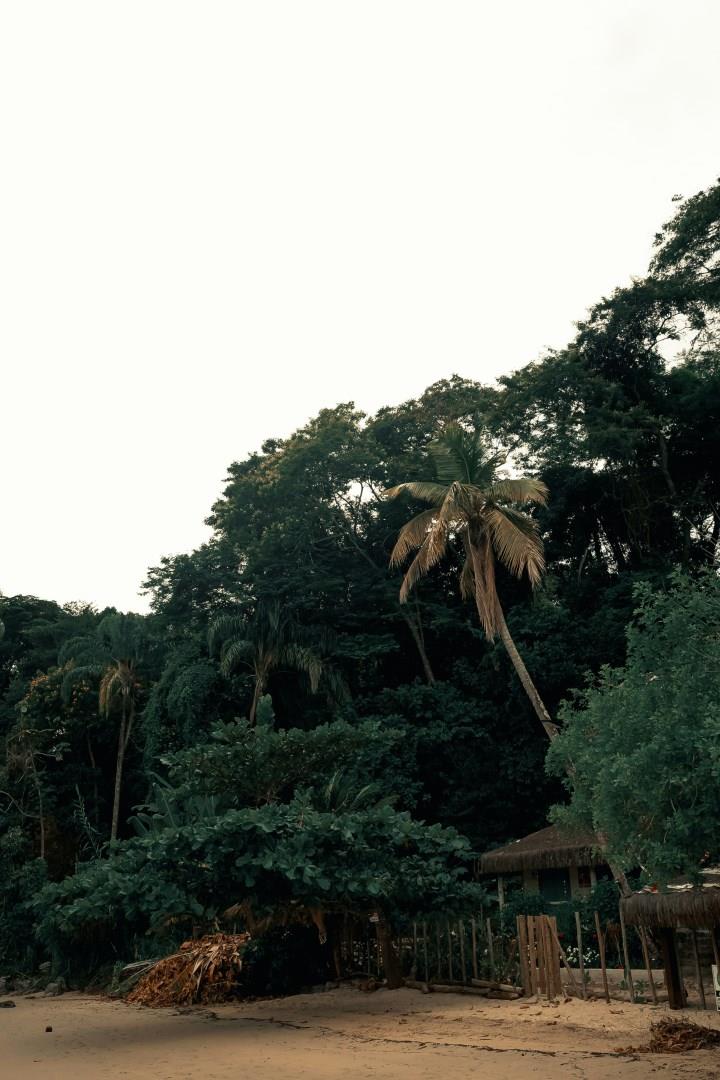
Paraty
Paraty is a charming coastal town in Brazil’s Rio de Janeiro state, known for its colonial architecture, cobbled streets, and artistic heritage.
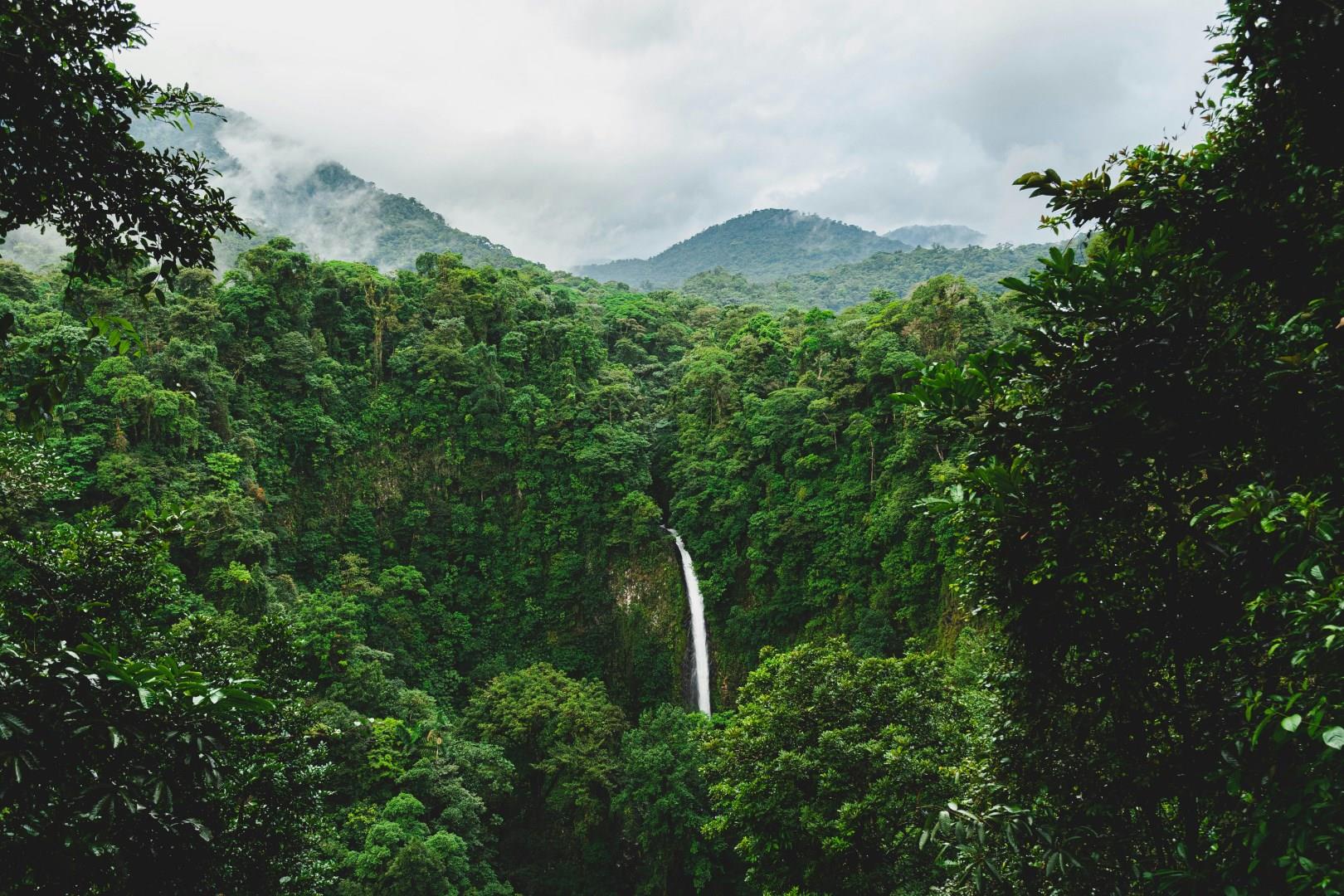
La Fortuna
La Fortuna, a small town in northern Costa Rica, sits in the shadow of the iconic Arenal Volcano, once the country’s most active and still one of its most visually striking. The town’s name, which means “The Fortune,” is no coincidence; it was spared when Arenal erupted unexpectedly in 1968, reshaping the landscape and eventually drawing visitors from around the world. Today, La Fortuna is known for its lush rainforest, geothermal activity, and stunning scenery that feels both wild and welcoming

Cape Town
Cape Town, located at the southern tip of South Africa, is one of the world’s most striking coastal cities. Towering over it is Table Mountain, a flat-topped landmark that can be reached by cable car or on foot, offering sweeping views of the city, ocean, and beyond.


