Hamburg
Located in northern Germany, Hamburg is an important commercial hub on the Elbe River and unique for the expansive system of canals which divide the city in two. Replete with fascinating architecture and scenic waterfront promenades, Hamburg offers plenty to see and explore!
Bulawayo
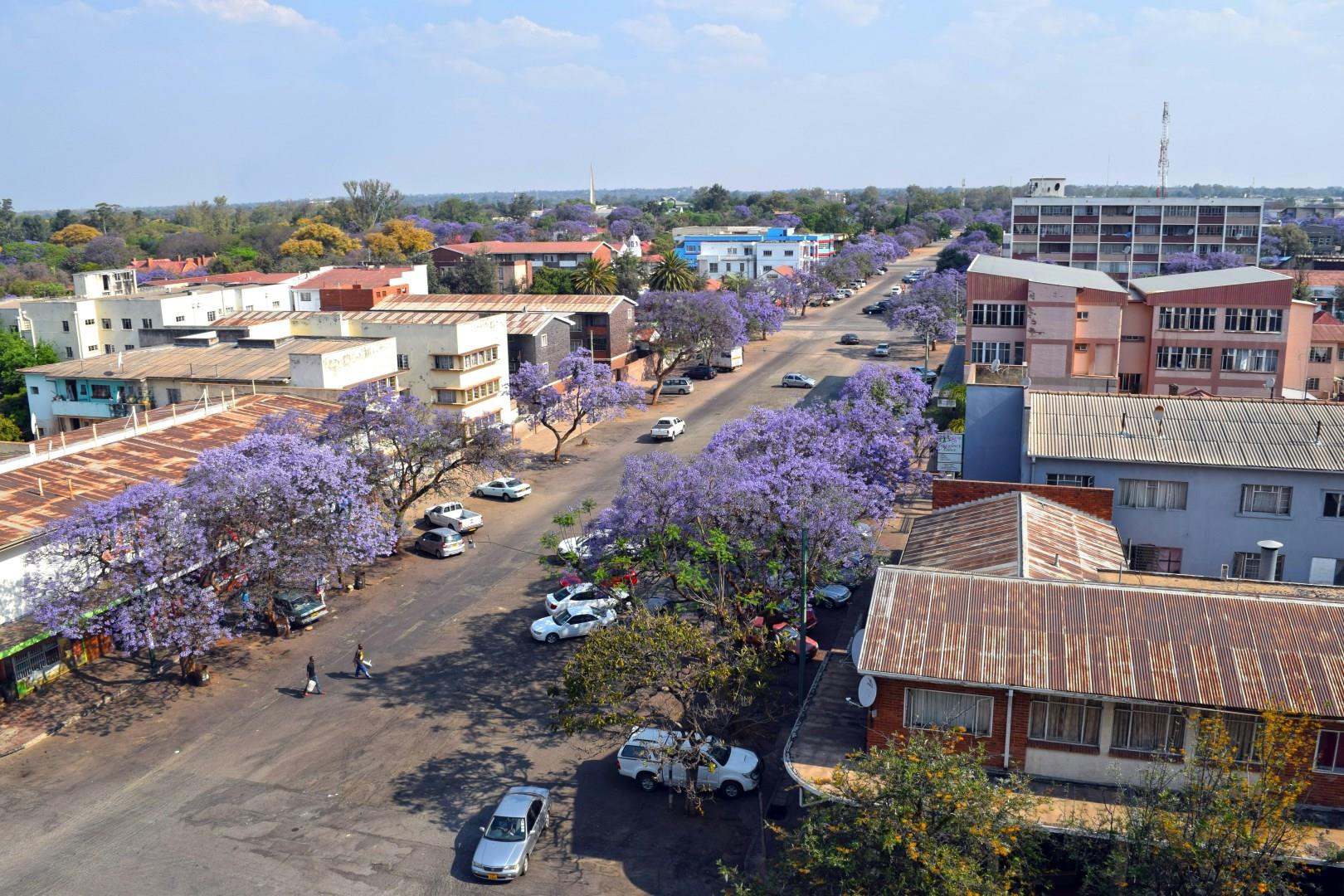
Bulawayo is Zimbabwe’s second-largest city and a place where industrial heritage and deep cultural roots intersect. Founded near the former capital of the Ndebele kingdom, the city carries strong historical significance tied to King Lobengula and the resistance to colonial expansion.

Rhode Island
Rhode Island may be the smallest state in the U.S., but it offers an outsized variety of experiences, from colonial history to coastline escapes. Founded in 1636 by Roger Williams as a haven for religious freedom, the state still reflects its independent spirit. In Providence, travelers can visit the John Brown House Museum to explore the city’s role in early American commerce, or walk Benefit Street, lined with preserved 18th- and 19th-century homes.
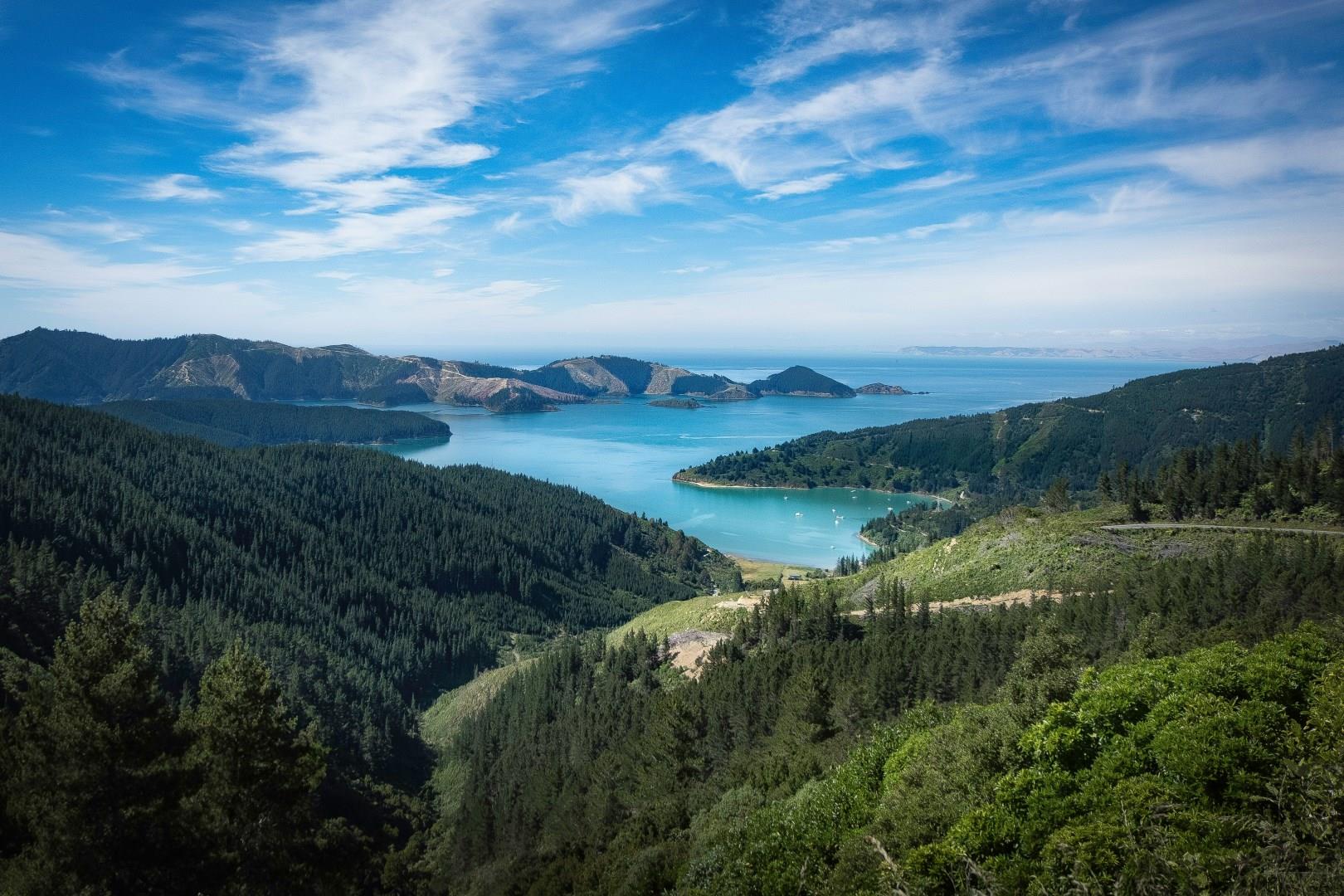
Picton
Picton, located at the head of Queen Charlotte Sound in New Zealand’s Marlborough region, is a charming gateway to the Marlborough Sounds and the South Island. The town is known for its scenic harbor, where ferries connect the North and South Islands, and as a hub for exploring the intricate waterways, bays, and coves that define this coastal region.

Freycinet National Park
Freycinet National Park, located on the east coast of Tasmania, Australia, is a natural paradise that entices travelers with its dramatic pink granite peaks, secluded bays, and pristine beaches. The park is home to the iconic Wineglass Bay, often touted as one of the world's most beautiful beaches, with its crescent-shaped shore of soft white sand and crystal-clear turquoise waters.