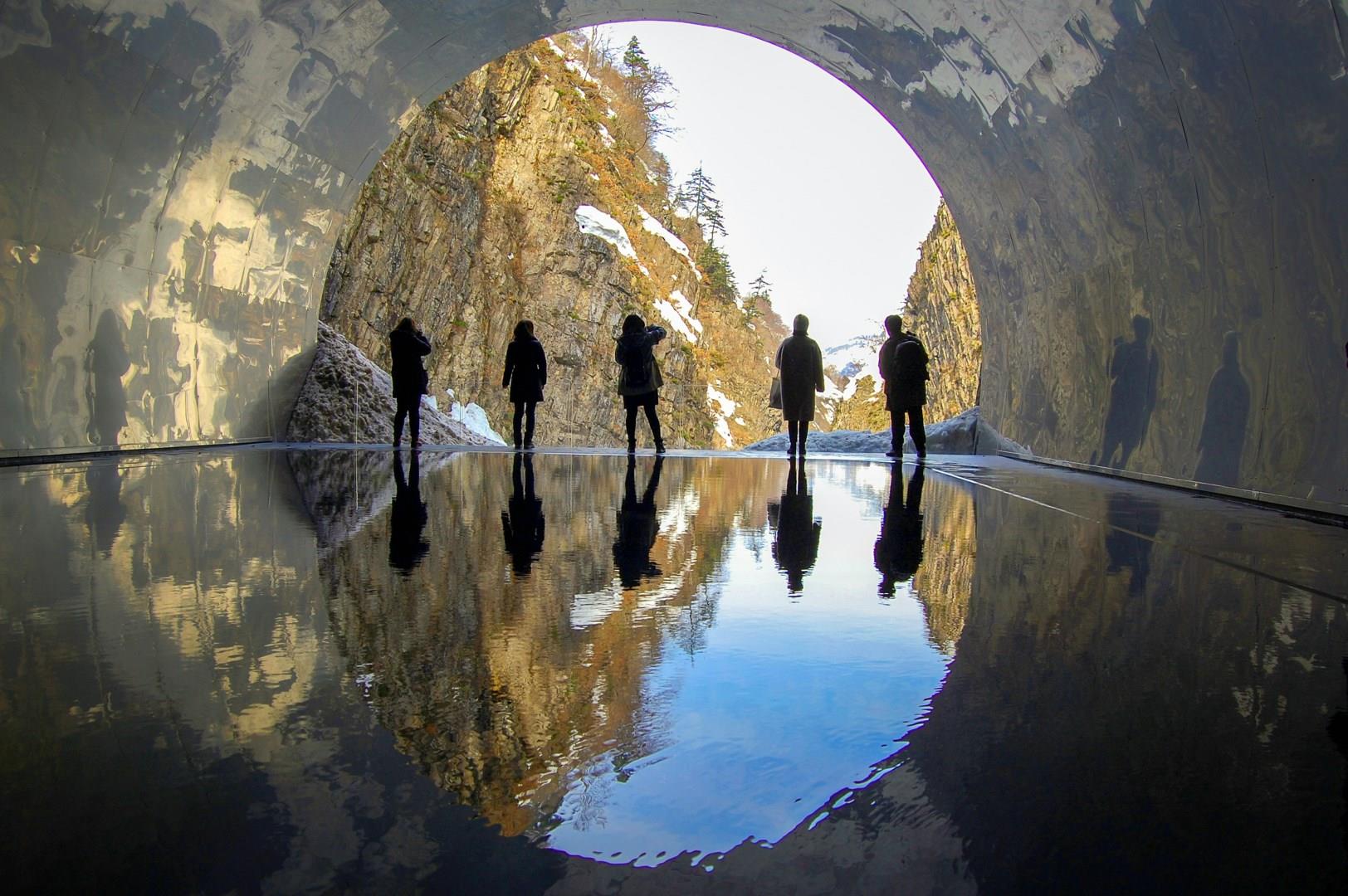
Niigata
Niigata sits along the Sea of Japan on Honshu’s west coast, a place where long winters and bright summers shape its traditions and flavors. For centuries this region has produced some of Japan’s finest rice, especially the Uonuma Koshihikari variety known for its rich taste and texture. That quality rice helps make Niigata sake famous across the country, and visitors can sample more than 90 local brews at tasting spots such as Ponshukan inside Niigata Station.

Langkawi
Nestled in the Andaman Sea, Langkawi is an idyllic island escape renowned for its pristine beaches, lush landscapes, and vibrant culture. This Malaysian archipelago, comprising over 100 islands, boasts a range of natural wonders, including the Langkawi Sky Bridge, an architectural marvel suspended 700 meters above ground.

Puerto Madryn
Puerto Madryn is a seaside city on the eastern coast of Argentina. Facing Golfo Nuevo and the South Atlantic Ocean, this coastal destination is popular for its beaches, marine life, nature preserves, and Patagonian museums.

New Zealand
New Zealand is a land of breathtaking landscapes and memorable cultural experiences. Located in the South Pacific, this island nation is famed for its dramatic mountain ranges, pristine beaches, and rolling farmlands. With its beauty, welcoming culture, and endless opportunities for adventure, New Zealand is sure to captivate travelers from around the globe.

Louisiana
Louisiana, with its vibrant blend of cultures, history, and natural beauty, offers a rich tapestry of experiences for every traveler. At the heart of the state's allure is New Orleans, renowned for its lively French Quarter, historic architecture, and world-famous Mardi Gras celebrations.