Melbourne
A vibrant cultural center in the land “Down Under,” Melbourne, Australia will entice you with its aromatic cafés, lush nature parks, immersive museums, and dedication to the arts.
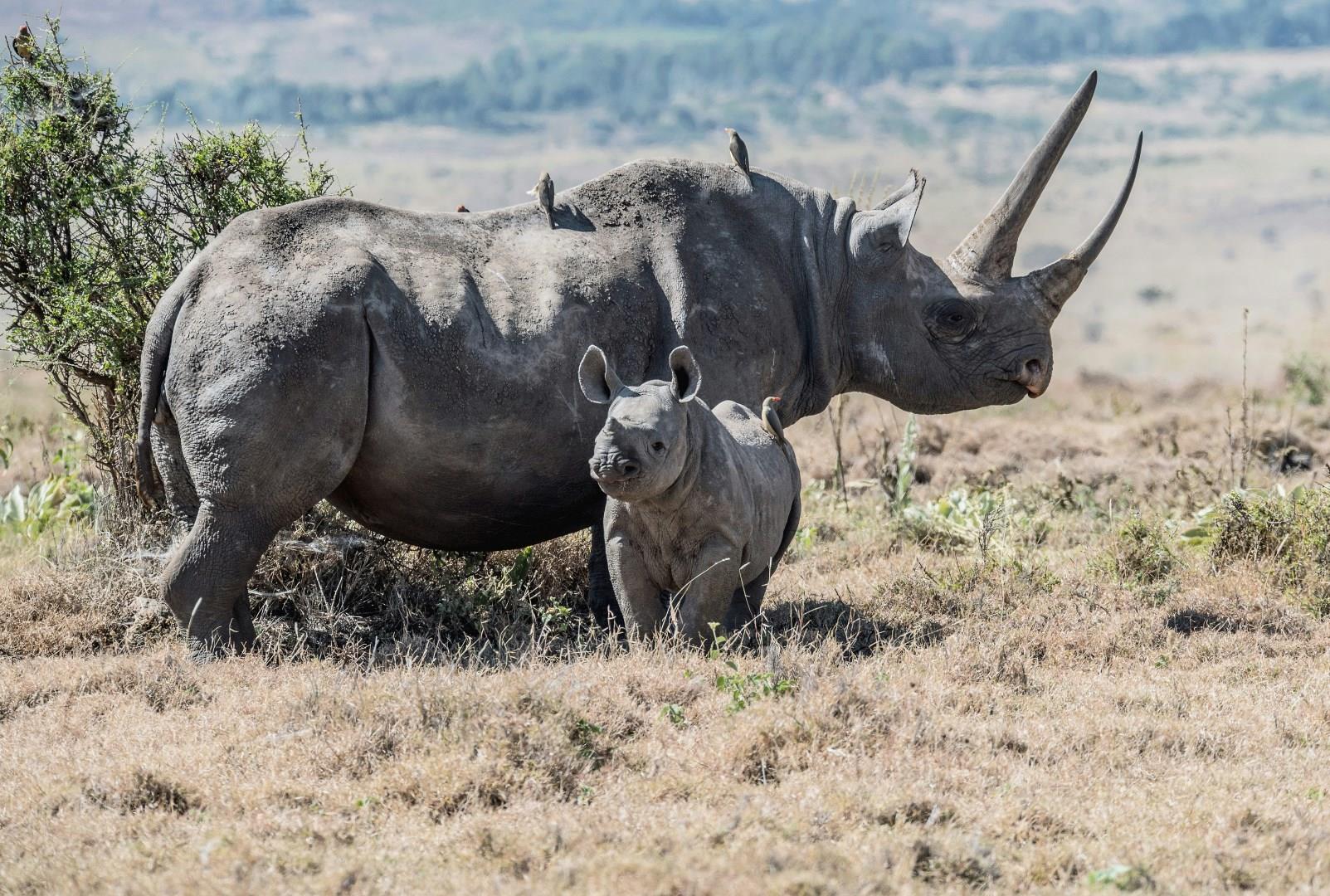
Lewa Wildlife Conservancy
Lewa Wildlife Conservancy lies in northern Kenya at the foothills of Mount Kenya, where open savannah, wooded hills, and seasonal rivers create a varied and striking landscape.

Las Vegas
Las Vegas, Nevada, is an electrifying city where glitz and glamour meet entertainment and excitement. Known as "The Entertainment Capital of the World," Las Vegas offers an unparalleled array of attractions, from its iconic casinos and luxurious hotels to its world-class dining and live shows. The city's entertainment scene is second to none, featuring legendary headliners, cutting-edge performances, and an array of themed attractions.
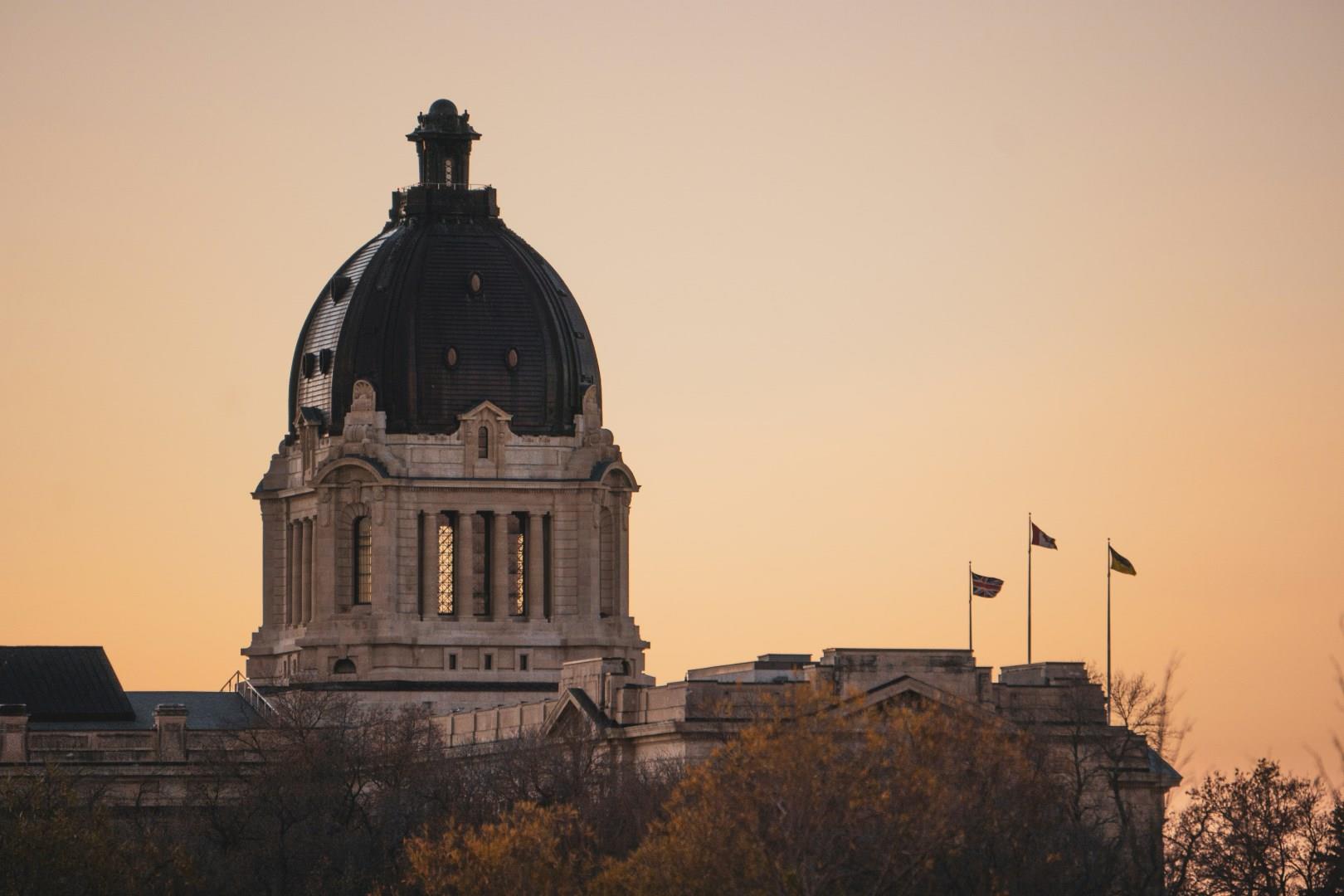
Regina
Regina, Saskatchewan’s capital, is a city with deep roots and wide-open skies. Originally established as a key stop on the Canadian Pacific Railway, Regina quickly grew into a political and cultural hub. Today, visitors can explore its past at the Royal Saskatchewan Museum, which features life-sized dinosaur exhibits and an extensive First Nations gallery.

Lerwick Shetland Island
Lerwick, the charming capital of the Shetland Islands, is a captivating destination where maritime history and natural beauty converge. Located on the edge of Scotland, this quaint town offers a rich tapestry of experiences for visitors.