
Montenegro
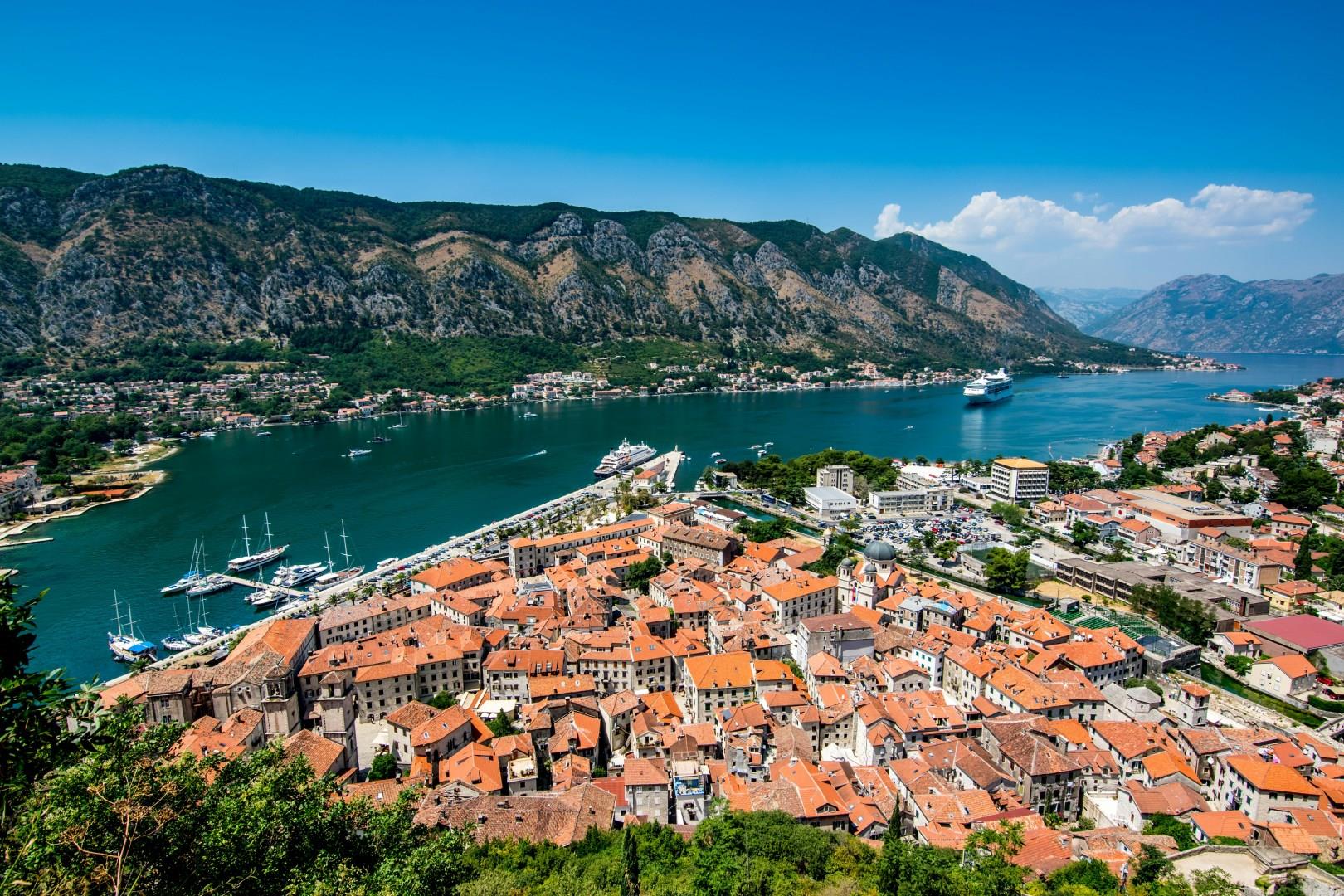
Montenegro, set along the Adriatic Sea, draws travelers with its dramatic landscapes and layered history. The Bay of Kotor, often mistaken for a fjord, is actually a submerged river canyon surrounded by steep cliffs and medieval towns. Kotor itself, a UNESCO World Heritage site, is enclosed by ancient fortifications that visitors can climb for panoramic views stretching from terracotta rooftops to the sea.
Sukhothai
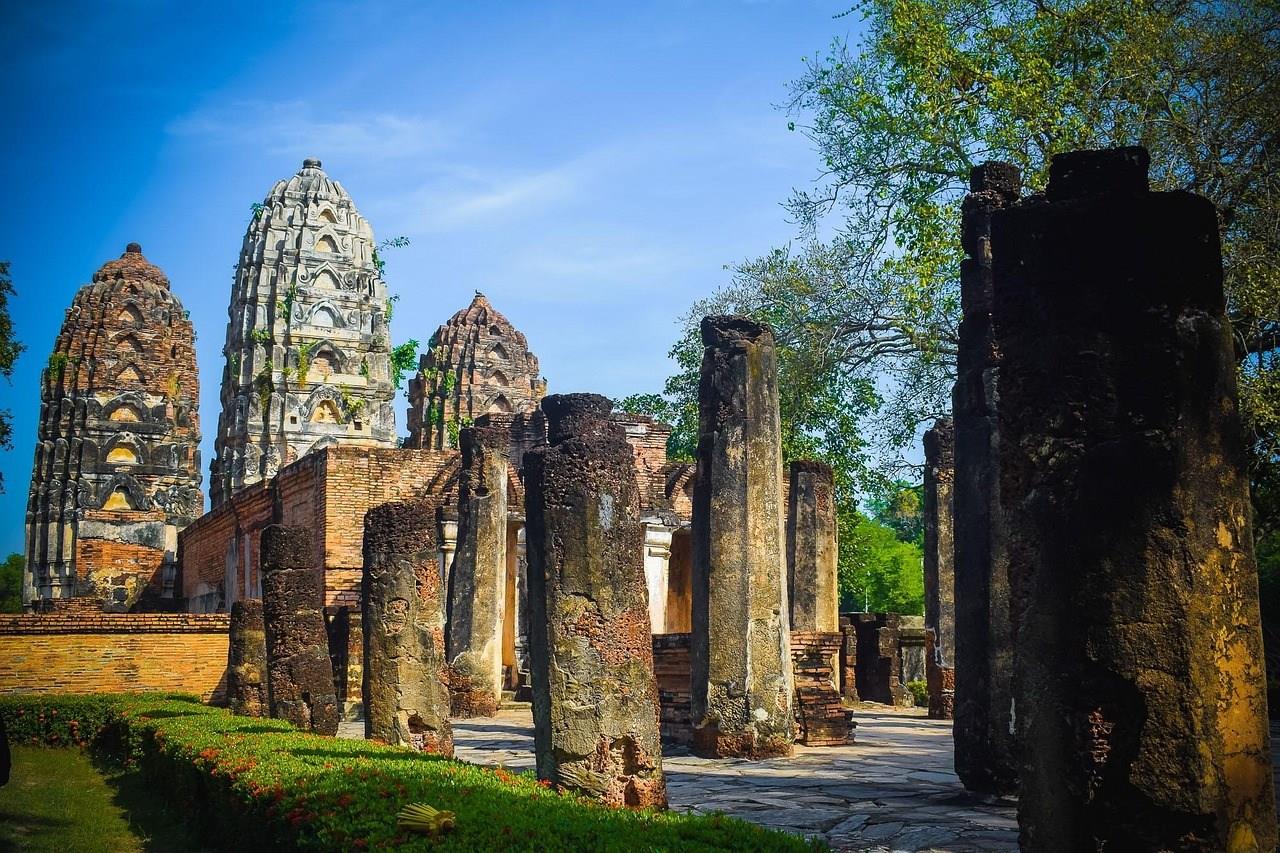
Sukhothai, located in north-central Thailand, was once the capital of the first independent Thai kingdom in the 13th century. Today, it’s best known for the Sukhothai Historical Park, a UNESCO World Heritage Site filled with stone temples, lotus-filled moats, and ancient Buddha statues. The park spans over 70 square kilometers and features more than 190 ruins.

Nairobi
Nairobi, the capital of Kenya, is a vibrant city where modern energy meets untamed nature. Known as the “Green City in the Sun,” it blends bustling urban life with remarkable wildlife experiences.
Recife
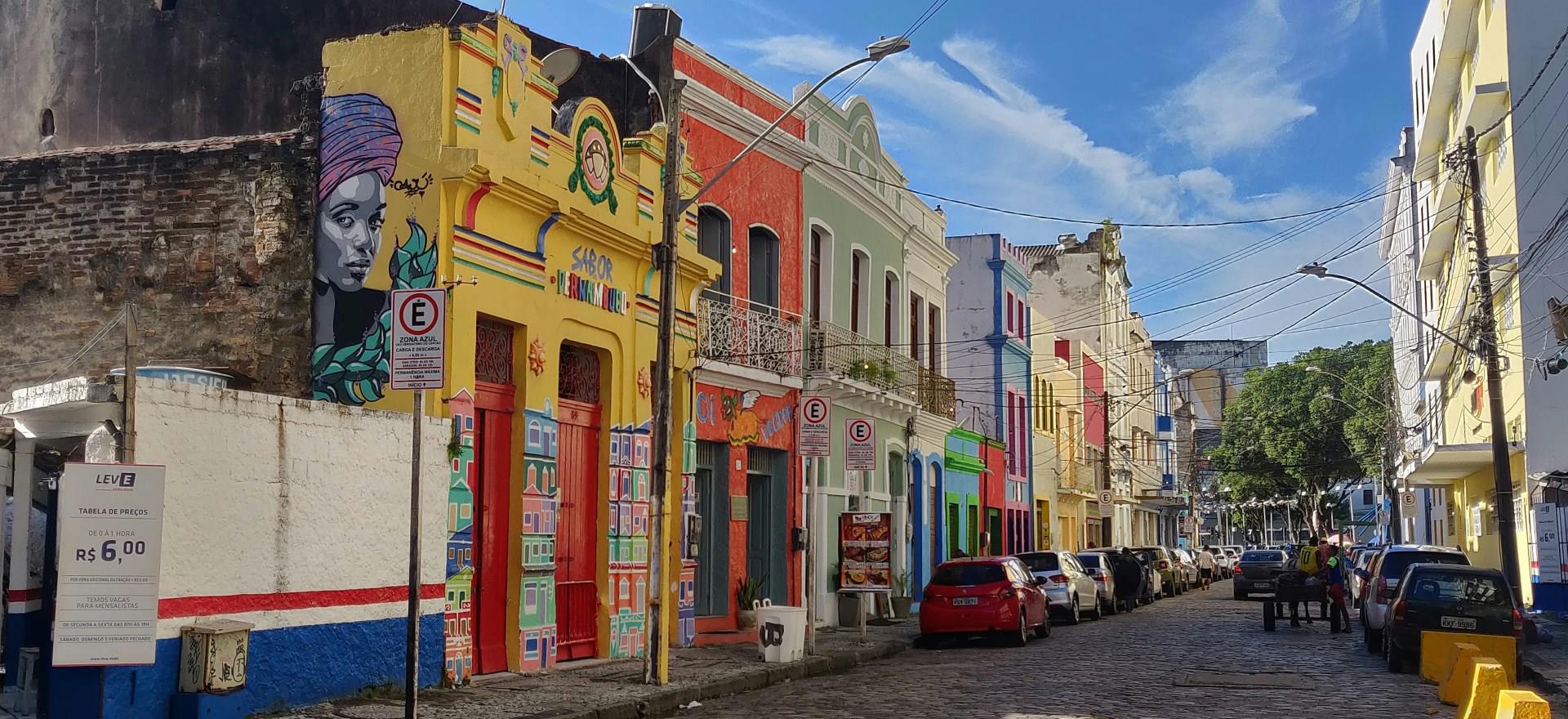
Recife spreads across a low-lying coastline in northeastern Brazil, shaped by rivers, bridges, and a long history of Atlantic exchange. Founded by the Portuguese and later occupied by the Dutch in the 17th century, the city carries layered influences visible in its street layout, fortifications, and religious buildings.

Portland
Portland, England, offers a charming blend of coastal beauty, historical intrigue, and unique geological features. Nestled on the Jurassic Coast in Dorset, this picturesque island town is renowned for its stunning cliffs and quarries.


