Pennsylvania
Pennsylvania offers more than just a glimpse into American history, it invites travelers to walk through it. In Philadelphia, the Liberty Bell still draws visitors from around the world, while Independence Hall, a UNESCO World Heritage Site, is where both the Declaration of Independence and the U.S. Constitution were debated and signed. Just a short walk away, modern museums like the National Constitution Center offer hands-on exhibits that connect the past to today’s civic questions.

Montego Bay
Montego Bay, Jamaica’s lively resort city, offers an intoxicating mix of sun, sea, and vibrant culture. Situated on the island’s north coast, Montego Bay is renowned for its stunning beaches and crystal-clear waters. The popular Doctor’s Cave Beach, named after the nearby cave believed to have therapeutic properties, provides pristine sands and warm, inviting waters. Visitors can relax under palm trees or partake in water activities such as snorkeling and jet skiing.
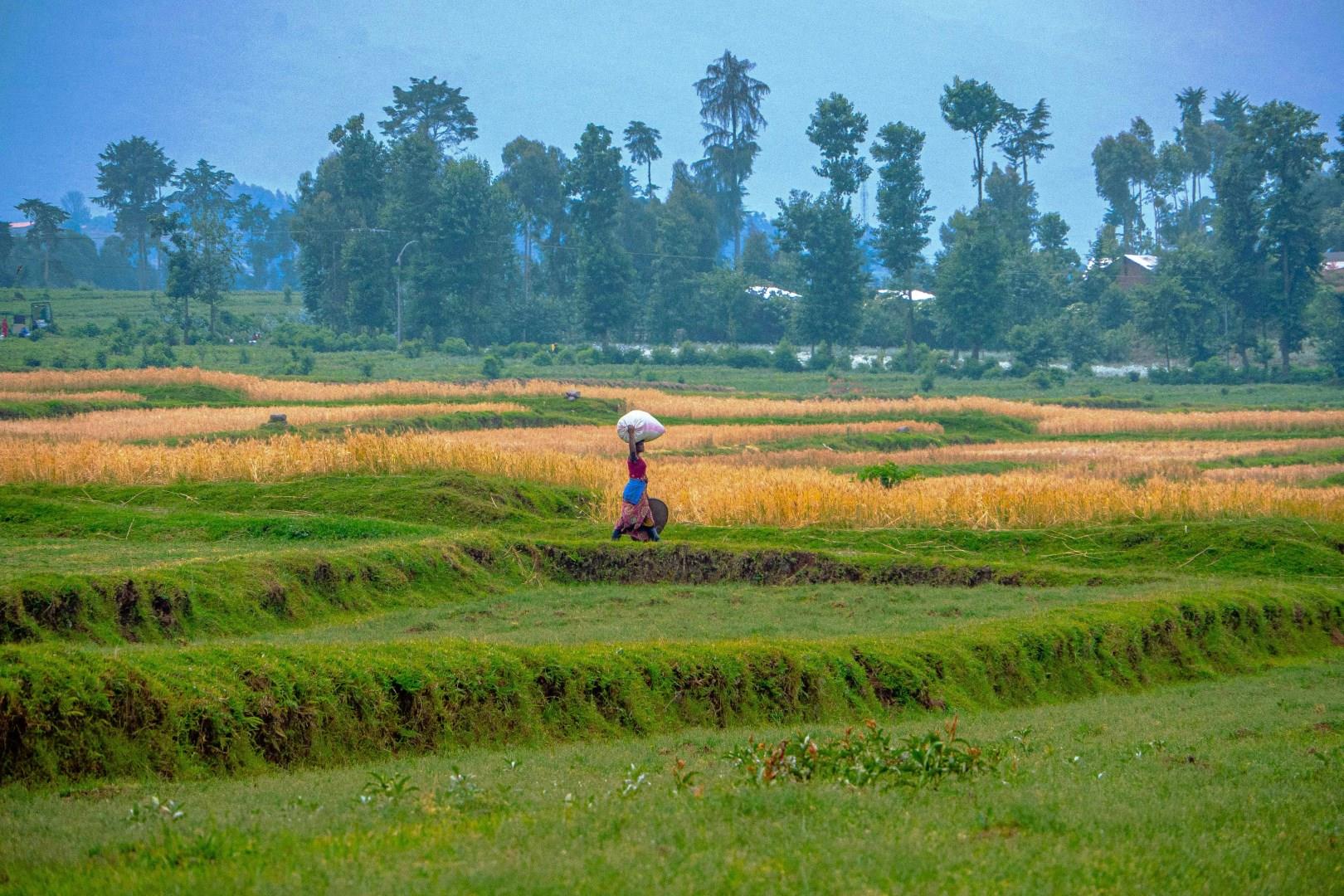
Ruhengeri
Ruhengeri, officially known as Musanze, lies in northern Rwanda at the foothills of the Virunga Mountains. The town has long served as a gateway between Rwanda and neighboring Uganda and the Democratic Republic of the Congo, giving it both strategic and cultural importance.

Manta
Located on Ecuador's central coast, Manta is a port city frequented by many South American cruises. Manta is known for its delectable seafood and variety of pleasant beaches.
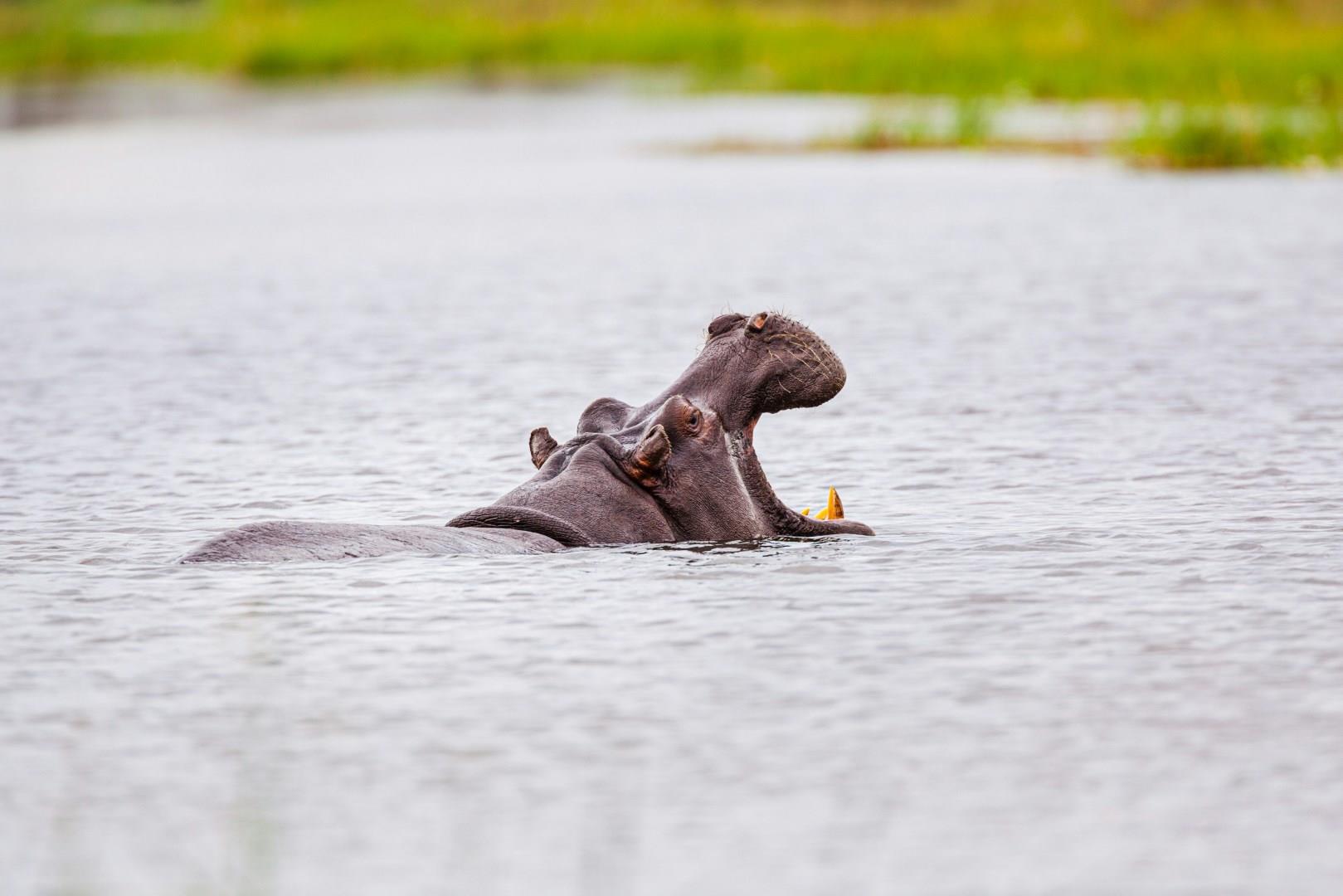
Moremi Wildlife Reserve
Moremi Wildlife Reserve, nestled in the heart of Botswana’s Okavango Delta, is a premier destination for those seeking an extraordinary safari experience. This pristine reserve, established in 1963, offers a rich tapestry of landscapes including lush floodplains, verdant woodlands, and expansive lagoons. Its diverse ecosystems make it one of Africa's most sought-after wildlife viewing locations.