
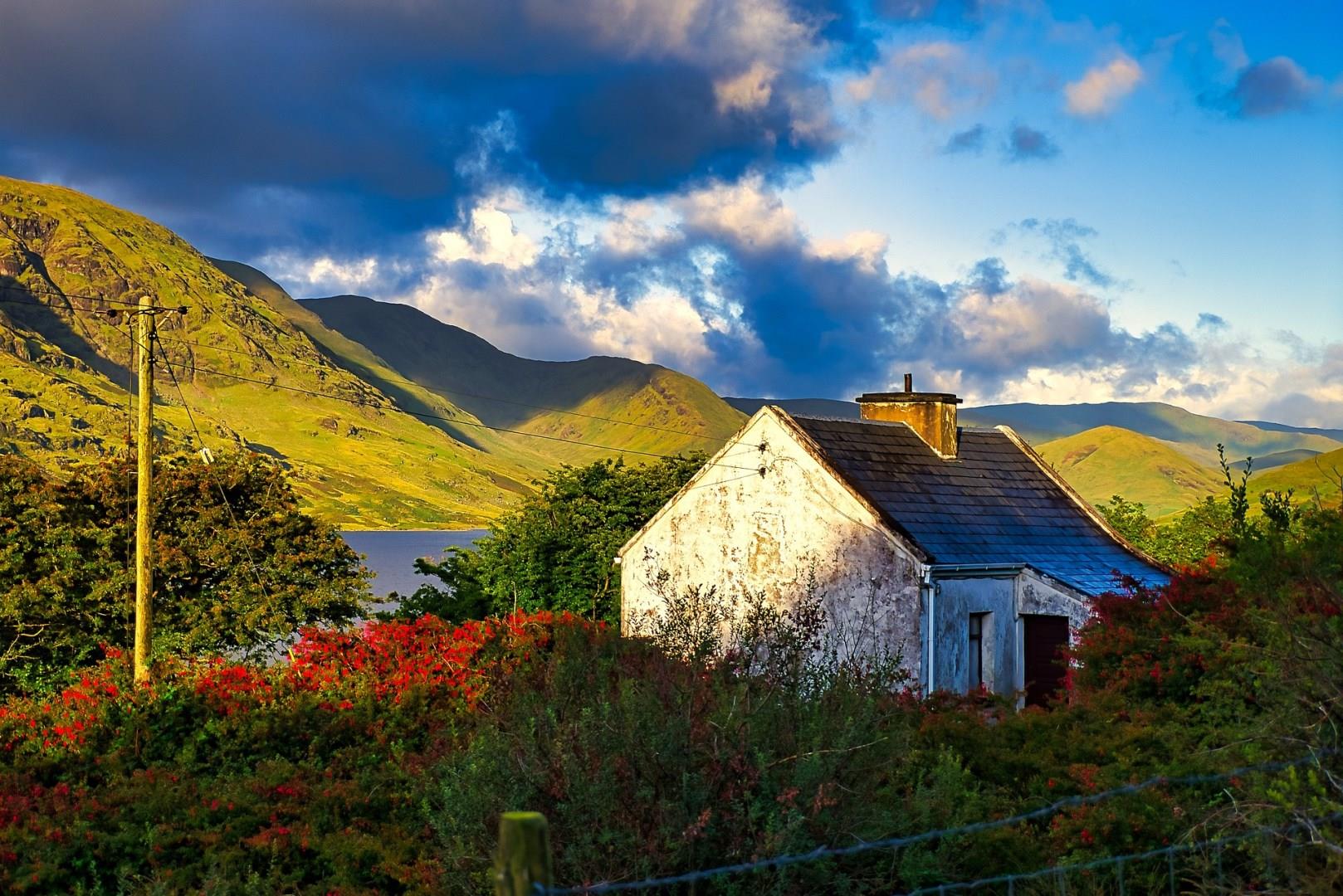
Connemara
Connemara, on Ireland’s rugged west coast in County Galway, is a region defined by its untamed landscapes, Gaelic traditions, and tranquil pace of life.

Taormina
Taormina, with its hilltop location above the Ionian Sea, is easily one of Italy's most beautiful places. As it's packed with people in the summertime, recommended months to visit include April and September.
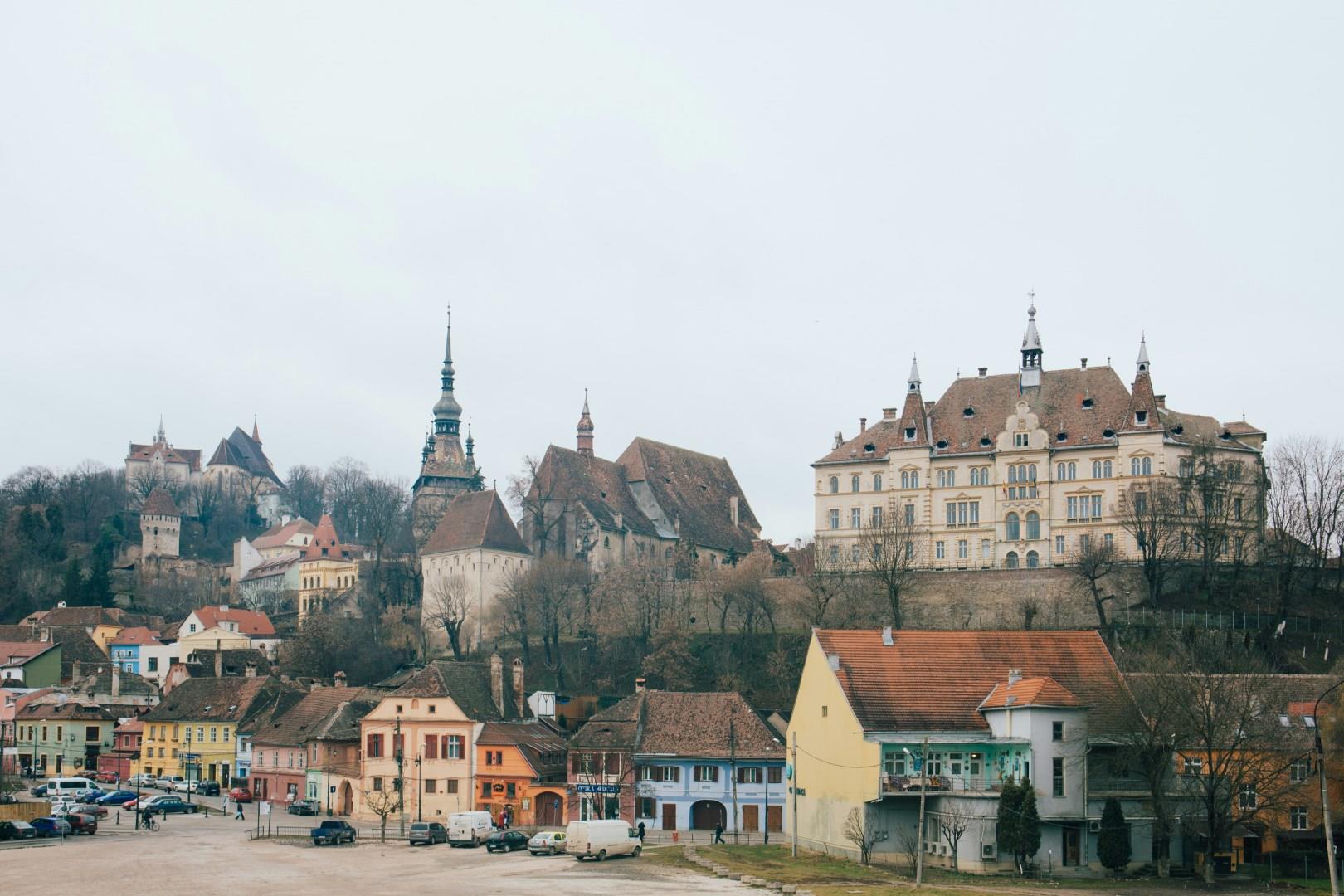
Sighisoara
Sighisoara rises above the Târnava Mare River as one of the few medieval citadels in Europe that is still lived in and admired today. Its historic center has been on the UNESCO World Heritage List since 1999, recognized for its long history as a fortified Saxon settlement and its role in trade and defense on the edges of central Europe. Wander through cobbled alleys framed by pastel-colored houses, and the layers of time feel close at hand, from the city walls and guild towers to busy cafés.

Ouarzazate
The whole south of Morocco is summarized in the historical, traditional and exotic sounding word "Ouarzazate". In Ouarzazate everything is calm, beautiful and fresh - the very image of the authentic south of Morocco, where time has stood still for centuries. The town has been located in three different places during its existence, two of them still inhabited
today.
today.

Santa Fe
Santa Fe, New Mexico, with its adobe-style architecture, vibrant arts scene, and unique blend of Native American, Spanish, and Anglo influences, is a destination like no other. Known as "The City Different," Santa Fe stands apart with its rich history and cultural diversity. A fun fact about Santa Fe is that it is the highest state capital in the United States, sitting at an elevation of 7,199 feet.


