
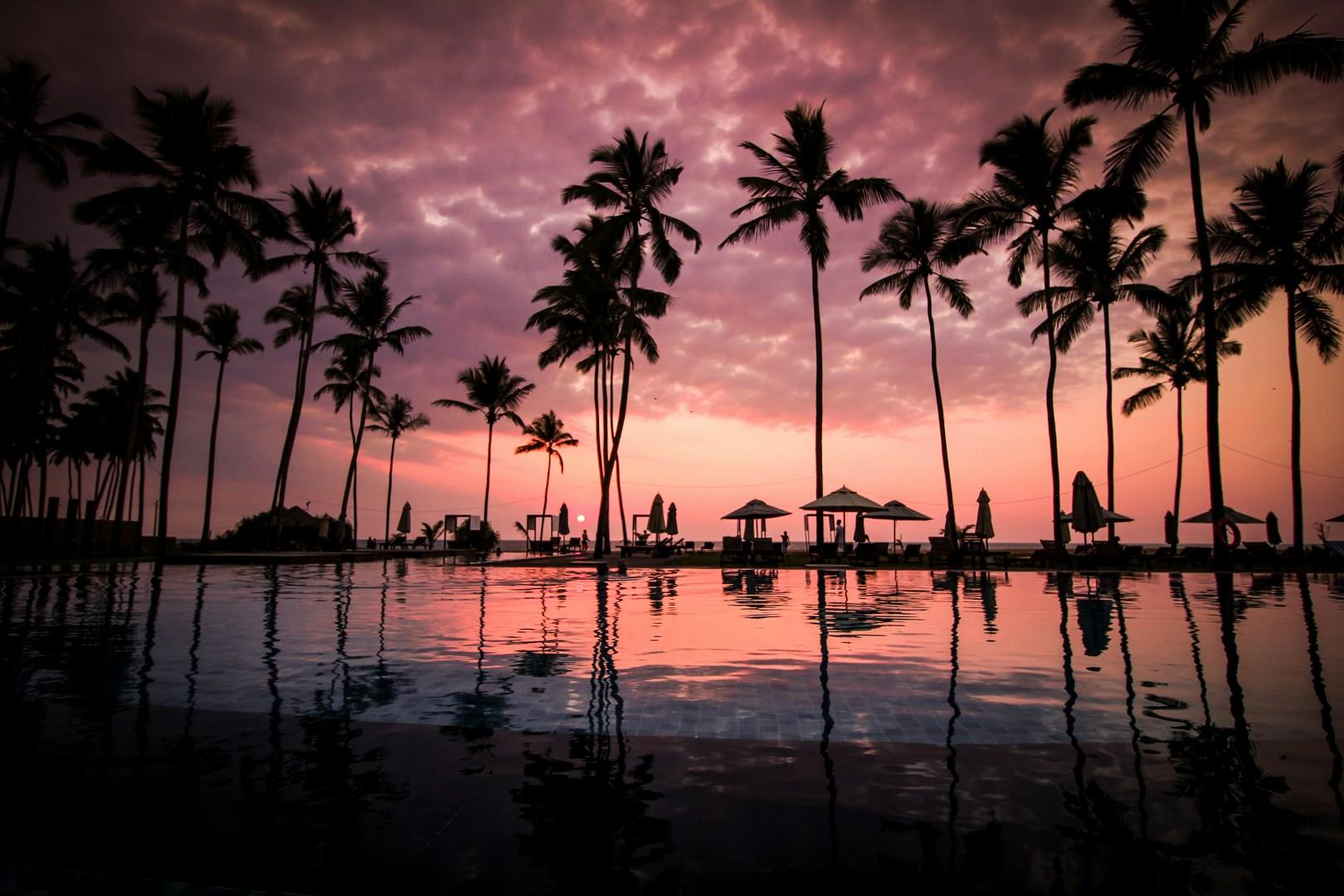
Negombo
Negombo, located just north of Colombo and minutes from Sri Lanka’s main international airport, offers a coastal town experience steeped in layered history and local life. Once a vital trading post for cinnamon during the colonial era, Negombo has seen Portuguese, Dutch, and British influence with each leaving a mark on its architecture and culture. The Dutch-era canal system, still used by fishermen and local vendors today, runs through parts of the town and can be explored by boat or bicycle.

Santiago
Flanked by the Chilean Coast Range and the snowy Andes, Chile's largest metropolis offers a dazzling array of sights and attractions for visitors to pursue. Mirrored skyscrapers, 16th-century churches, hip cafes, dance clubs... and did we mention the delicious Chilean cuisine?
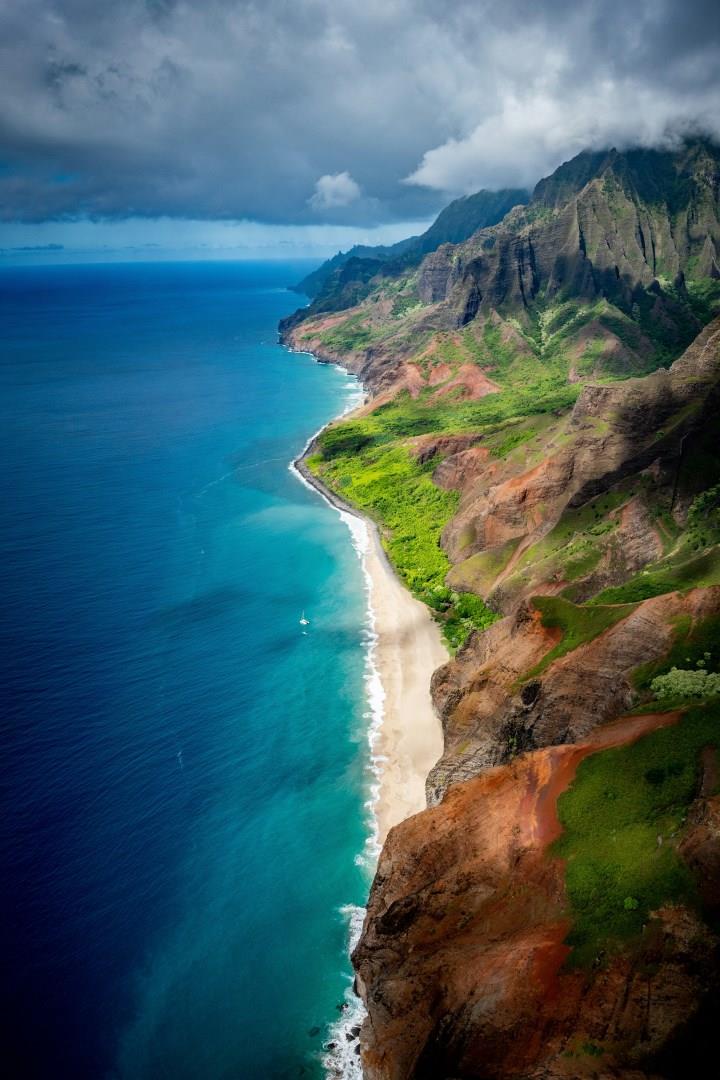
Napali Coast State Wilderness Park
Napali Coast State Wilderness Park, located on the northwestern edge of Kauai, is one of Hawaii’s most visually dramatic landscapes. The coastline stretches for 17 miles and is defined by towering cliffs, known locally as "pali," that rise over 4,000 feet above the Pacific Ocean. These rugged ridges are carved by centuries of rainfall and volcanic activity, creating a landscape only accessible by foot, boat, or air.

Raiatea
Raiatea's laid-back atmosphere and warm hospitality make it a wonderful place to unwind and soak in the peaceful rhythms of Polynesian life.

Niagara Falls
Niagara Falls, Canada, is a destination that captures the imagination with its breathtaking natural beauty and vibrant atmosphere. Straddling the border between Canada and the United States, Niagara Falls is a world-renowned wonder that consists of three powerful waterfalls: the Horseshoe Falls, the American Falls, and the Bridal Veil Falls. The Canadian side is famous for offering the most spectacular views of these cascading waters.


