Dominica, known as the “Nature Island of the Caribbean,” is a haven for eco-tourists and adventure seekers. Nestled between the French islands of Guadeloupe and Martinique, this lush island boasts a remarkable landscape of volcanic mountains, dense rainforests, and stunning waterfalls. Dominica’s most iconic natural wonder is the Boiling Lake, the second-largest hot spring in the world.
Michigan offers a diverse array of attractions that cater to all types of travelers. The state's natural beauty is showcased in its expansive Great Lakes coastline, including the stunning shores of Lake Michigan, Lake Huron, and Lake Superior. Visitors can explore the breathtaking scenery of the Sleeping Bear Dunes National Lakeshore, renowned for its towering sand dunes and picturesque lake views. This natural wonder provides ample opportunities for hiking, beachcombing, and wildlife watching.
Bodø, located just north of the Arctic Circle, is a coastal city where dramatic landscapes meet a surprising blend of modern culture and outdoor access. As the largest town in the Nordland region of Norway, Bodø has become a key stop along the Norwegian Scenic Route and a gateway to the Lofoten Islands. Located just a short drive away, the Saltstraumen maelstrom, which is one of the world’s strongest tidal currents, visitors can watch whirlpools form in the sea with astonishing power.
Milford Sound, located in New Zealand’s Fiordland National Park, is often described as one of the most awe-inspiring landscapes in the country. Carved by glaciers during the Ice Age, the fjord is framed by sheer cliffs that plunge into deep waters, with iconic peaks like Mitre Peak rising dramatically above the sound.
Merzouga, a small village located in southeastern Morocco, is the gateway to the stunning Erg Chebbi dunes, one of the most iconic desert landscapes in the world. These towering sand dunes, which can reach heights of up to 150 meters (492 feet), offer an unparalleled opportunity for adventure and exploration. The contrast between the golden sands and the clear blue sky creates a breathtaking panorama that is perfect for photography and desert excursions.
Saunders Island, located in the northwestern part of the Falkland Islands, is a haven for wildlife enthusiasts and history buffs alike. This remote and rugged island, covering over 49 square miles, offers visitors the chance to experience nature at its most pristine. Saunders Island is one of the few places in the world where you can observe five species of penguins, Gentoo, King, Magellanic, Rockhopper, and the occasional Macaroni, all in one location. The island's varied landscapes, from white sandy beaches to rolling hills and dramatic cliffs, provide the perfect backdrop for wildlife photography and leisurely hikes.
The island holds historical significance as well. It was one of the first areas in the Falklands to be settled by Europeans, with a history dating back to the late 18th century. Visitors can explore the remains of these early settlements, gaining insight into the challenging life of the island's early inhabitants. The island is still privately owned and operated as a sheep farm, adding to its rustic charm.
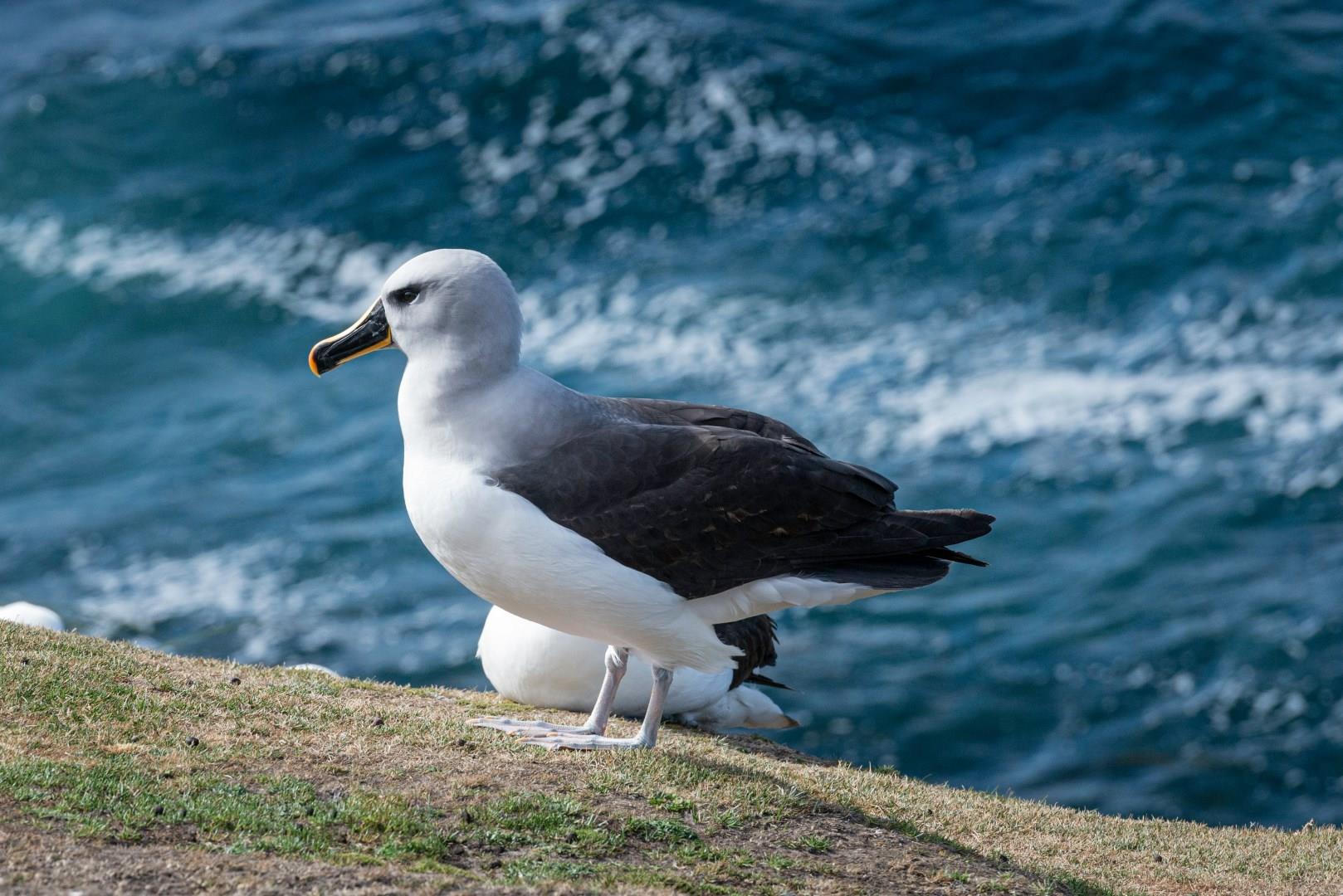
Fun fact: Saunders Island is home to the "Neck," a narrow isthmus that connects two parts of the island and is a favorite spot for photographers. This area is particularly known for its abundance of birdlife, including the striking black-browed albatross, which nests here in large numbers .