Weimar, located in the heart of Germany’s Thuringia region, is a city renowned for its cultural heritage, classical architecture, and pivotal role in European history.
Whitehorse is the territorial capital of this Canadian site of the 1898 gold rush. It consists mostly of rural towns, where the main industries are mining and tourism. It is a land of forests, rivers and tall mountain ranges covering a total of 207,075 sq. miles.
Dar es Salaam, Tanzania’s largest city and economic hub, offers visitors a vibrant mix of African, Arab, and European influences, making it one of East Africa’s most culturally diverse cities. With its bustling markets, lively waterfront, and historical sites, Dar es Salaam gives tourists a glimpse into the country’s rich history and dynamic present.
On coastal Iceland, the globe's northernmost capital, Reykjavík, invites visitors to discover its unique charms. Iceland is rife with natural wonders: geysers, geothermic spas, waterfalls and the spectacular Northern Lights. Reykjavik, dating back to 870 AD, offers world-class museums, restaurants, shopping and nightlife.
Plitvice Lakes National Park, a UNESCO World Heritage Site since 1979, is one of Croatia’s most captivating natural wonders. Located in the heart of the country, this mesmerizing park is renowned for its cascading lakes, lush greenery, and a network of waterfalls that create an enchanting landscape. The park’s 16 terraced lakes, connected by a series of waterfalls, range in color from emerald green to sapphire blue due to the unique mineral content and the reflection of sunlight. Visitors can ex
Saunders Island, located in the northwestern part of the Falkland Islands, is a haven for wildlife enthusiasts and history buffs alike. This remote and rugged island, covering over 49 square miles, offers visitors the chance to experience nature at its most pristine. Saunders Island is one of the few places in the world where you can observe five species of penguins, Gentoo, King, Magellanic, Rockhopper, and the occasional Macaroni, all in one location. The island's varied landscapes, from white sandy beaches to rolling hills and dramatic cliffs, provide the perfect backdrop for wildlife photography and leisurely hikes.
The island holds historical significance as well. It was one of the first areas in the Falklands to be settled by Europeans, with a history dating back to the late 18th century. Visitors can explore the remains of these early settlements, gaining insight into the challenging life of the island's early inhabitants. The island is still privately owned and operated as a sheep farm, adding to its rustic charm.
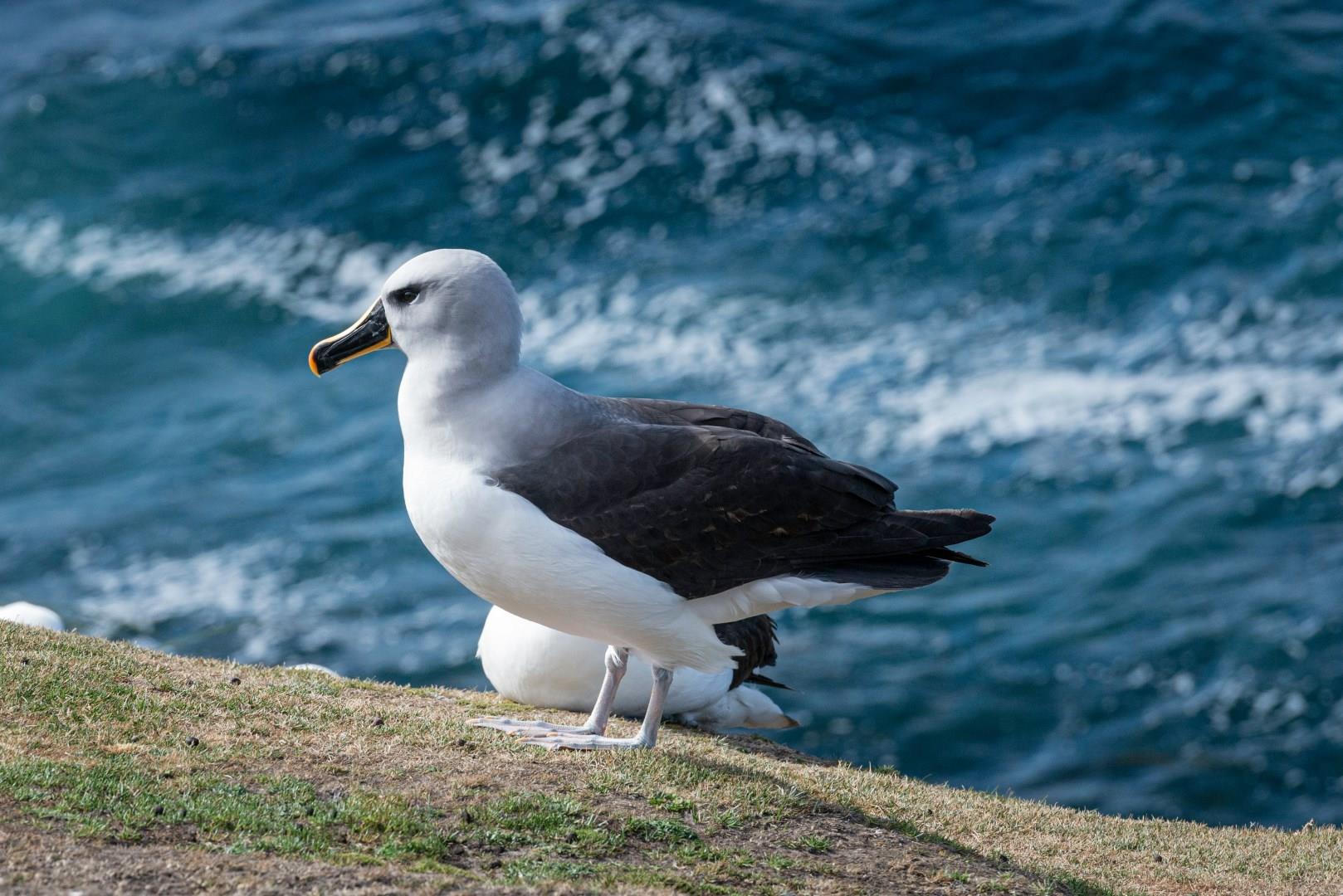
Fun fact: Saunders Island is home to the "Neck," a narrow isthmus that connects two parts of the island and is a favorite spot for photographers. This area is particularly known for its abundance of birdlife, including the striking black-browed albatross, which nests here in large numbers .