South America
South America is a continent of striking contrasts, where towering mountain ranges meet vast rainforests, arid deserts, and sprawling coastlines. From the icy fjords of the south to the tropical warmth of the north, each region offers its own landscapes, wildlife, and cultural expressions.
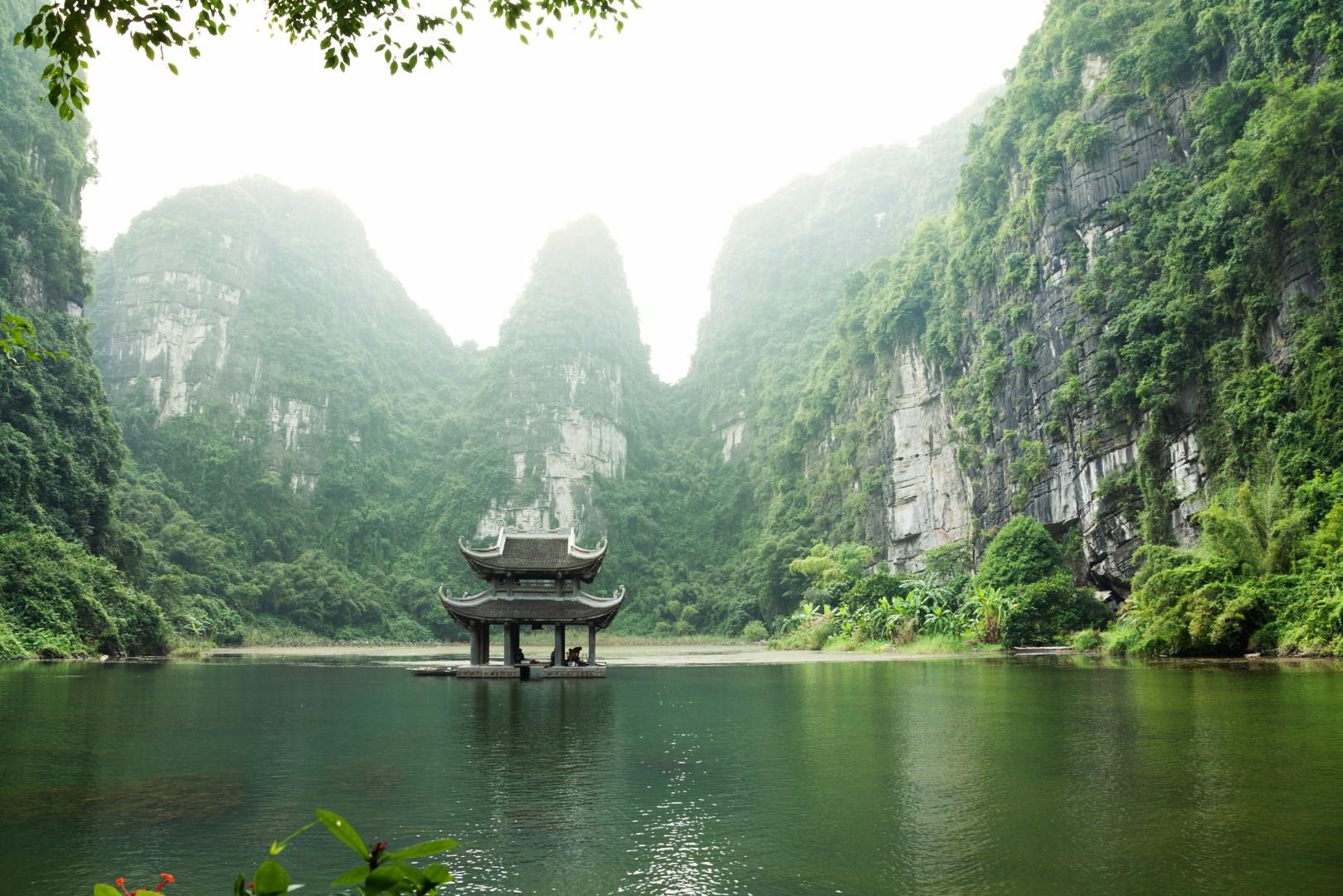
Ninh Binh
Ninh Binh, located about 100 kilometers south of Hanoi, offers a landscape shaped by limestone karsts, winding rivers, and flooded rice paddies. Often referred to as “Ha Long Bay on land,” the area is best explored by rowboat. At Trang An Scenic Landscape Complex, boat routes pass through caves, ancient pagodas, and valleys surrounded by towering cliffs. Local rowers often use their feet to paddle, an unusual technique that surprises many first-time visitors.

Laos
Laos, a landlocked country in Southeast Asia, is known for its lush landscapes, winding rivers, and rich Buddhist culture. The Mekong River flows along much of the country’s western border, offering both vital transportation routes and scenic vistas. Rolling hills, dense forests, and limestone karsts provide opportunities for hiking, kayaking, and exploring remote villages.

Crete
Crete, the largest island in Greece, is a treasure trove of ancient myths, breathtaking landscapes, and vibrant local culture that entices travelers seeking both adventure and relaxation. Begin your journey at Knossos, the legendary palace of King Minos, where the labyrinth of the Minotaur myth was born.

Glenfinnan
Glenfinnan, nestled in the Scottish Highlands, is a picturesque village renowned for its dramatic landscapes and historical significance. This small but enchanting destination is best known for the Glenfinnan Viaduct, an architectural marvel completed in 1901.