Andasibe-Mantadia National Park
Andasibe-Mantadia National Park, located in the eastern highlands of Madagascar, offers a captivating journey into one of the world’s most unique rainforests. Famous for its rich biodiversity, this national park is home to the largest species of lemur, the indri, whose haunting calls echo through the dense canopy. Visitors to the park can explore lush tropical landscapes filled with rare plants, birds, and other endemic wildlife, making it a must-visit for nature lovers and adventurers alike.
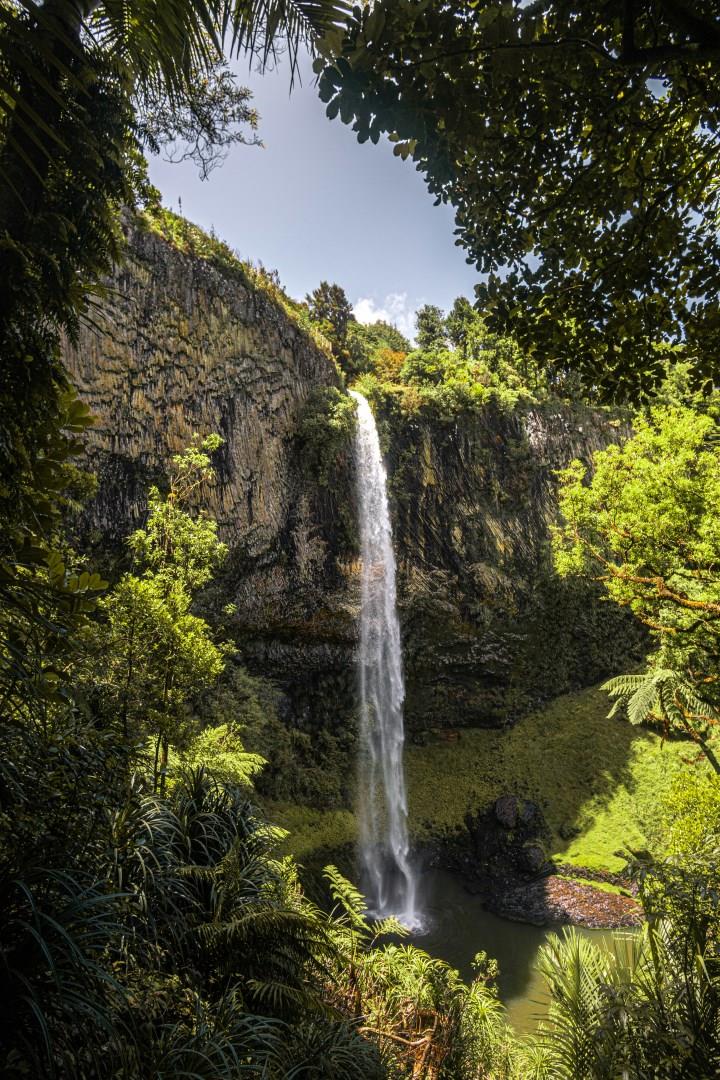
Raglan
Raglan, on New Zealand’s North Island, is a coastal town that has earned international renown for its surf culture while retaining a bohemian, community-centered spirit.

Sacred Valley
The Sacred Valley, located in the Andes and divided by Urubamba River, was part of the larger Inca Empire, along with Machu Picchu and the closeby town of Cusco. Tourists will see green agricultural landscapes and Spanish hamlets like Ollantaytambo and Pisac, the latter featuring a Sunday market.
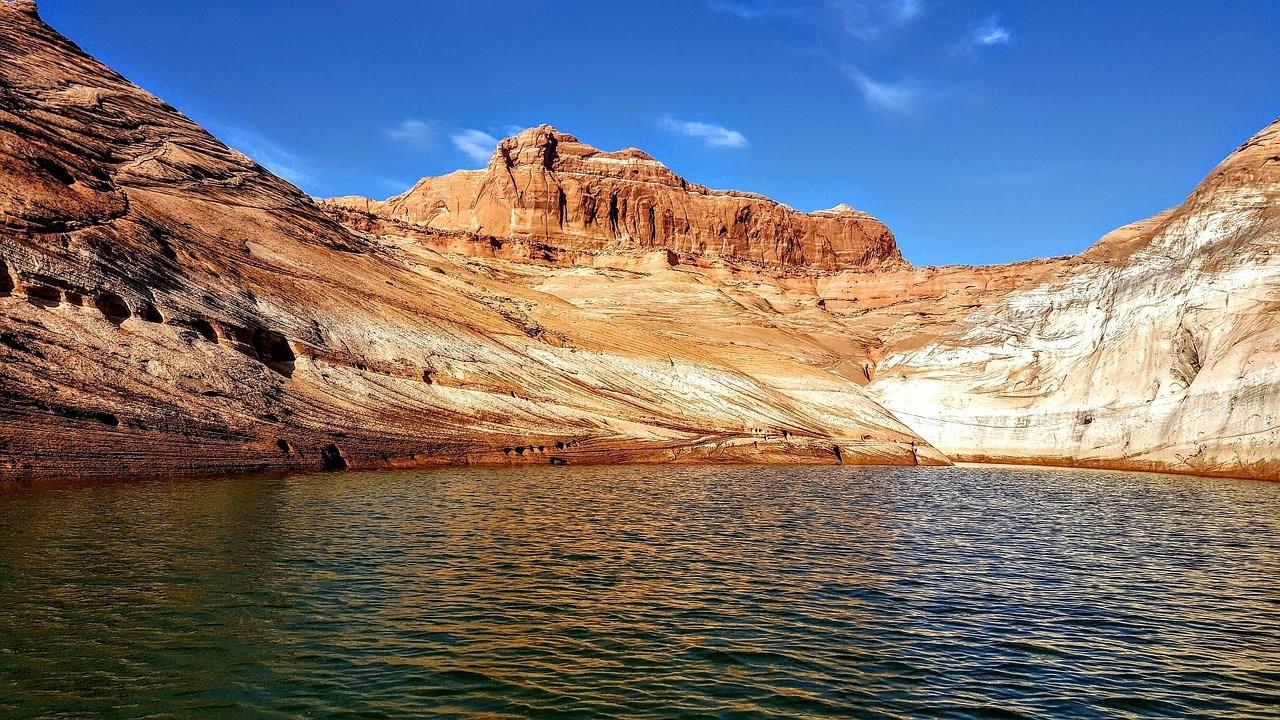
Lake Powell
Lake Powell, stretching across the Utah-Arizona border, is one of the largest manmade reservoirs in the United States. Formed by the flooding of Glen Canyon after the completion of the Glen Canyon Dam in 1963, it covers over 180 miles in length and contains nearly 2,000 miles of shoreline, more than the entire West Coast of the U.S. Despite its modern origins, the area has long been home to the Ancestral Puebloans and later Navajo communities.

Jost van Dyke
One of the four islands that make up the British Virgin Islands, Jost van Dyke is a Caribbean paradise known for its white sand beaches, turquoise sea pools, and marinas filled with yachts.