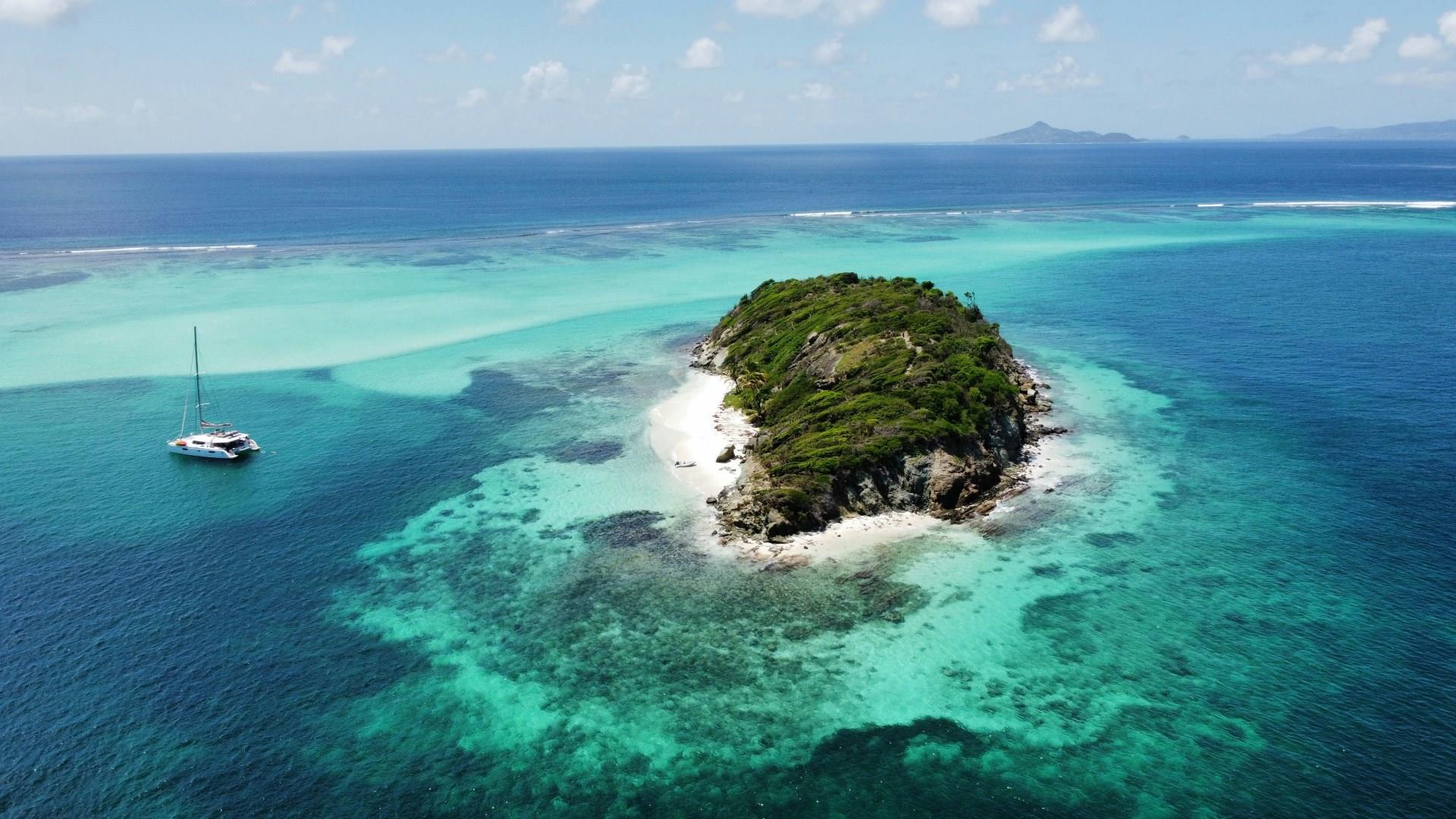
Tobago Cays
The Tobago Cays are a small cluster of uninhabited islands and reefs in the Southern Grenadines, known for their crystalline waters, coral formations, and vibrant marine life.

Belgrade
A historic capital in the heart of the Balkans, Belgrade will absolutely charm you with its picturesque cafés, striking religious monuments, riveting museums, and thriving nightlife.
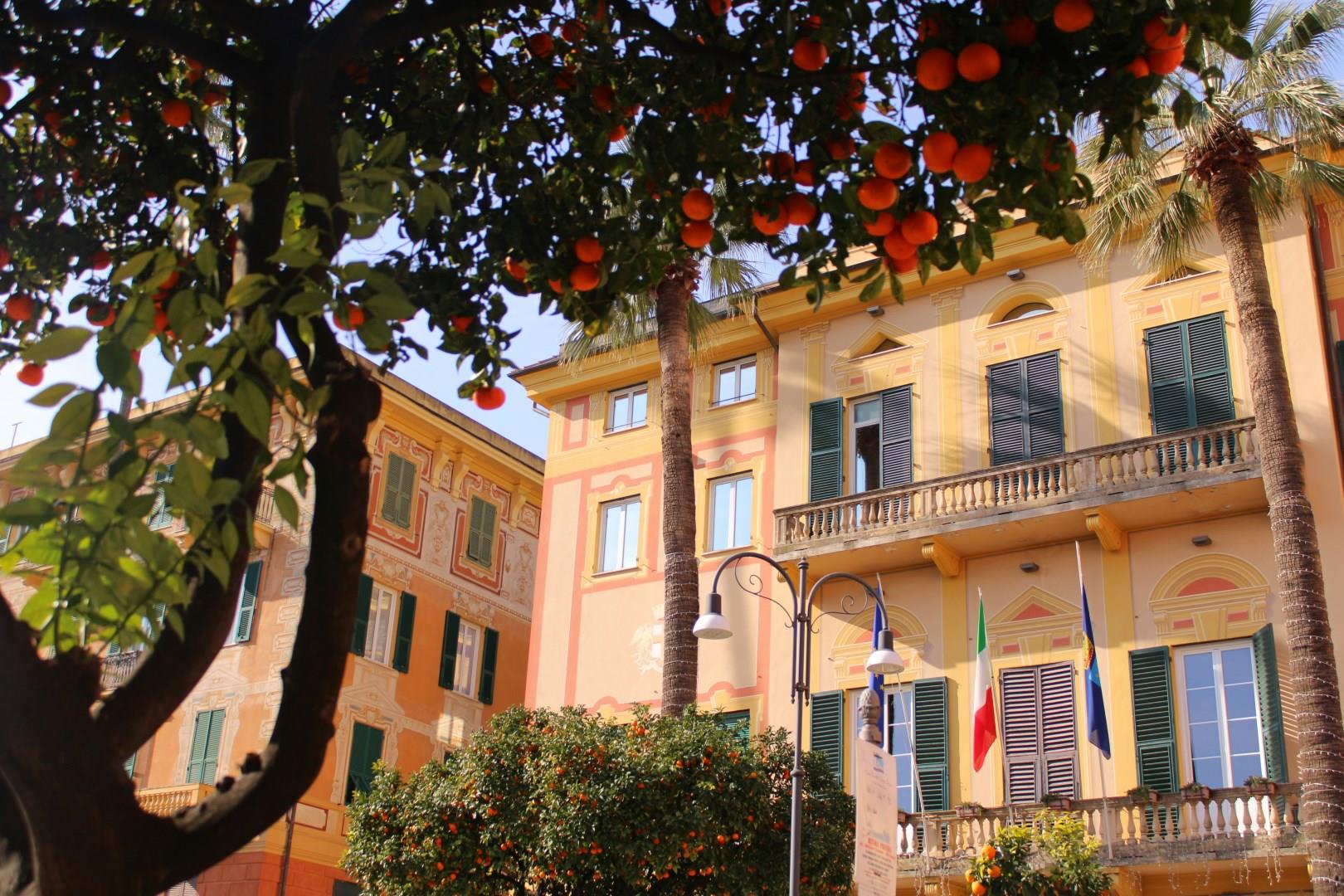
Santa Margherita Ligure
Santa Margherita Ligure, a seaside town on Italy’s Ligurian Riviera, offers a blend of coastal scenery, elegant architecture, and maritime traditions. Nestled between Rapallo and Portofino, it has long attracted travelers seeking both relaxation and a glimpse of authentic Italian life. The town’s waterfront is lined with pastel-colored buildings, fishing boats, and palm trees, creating a scene that feels both timeless and lively.
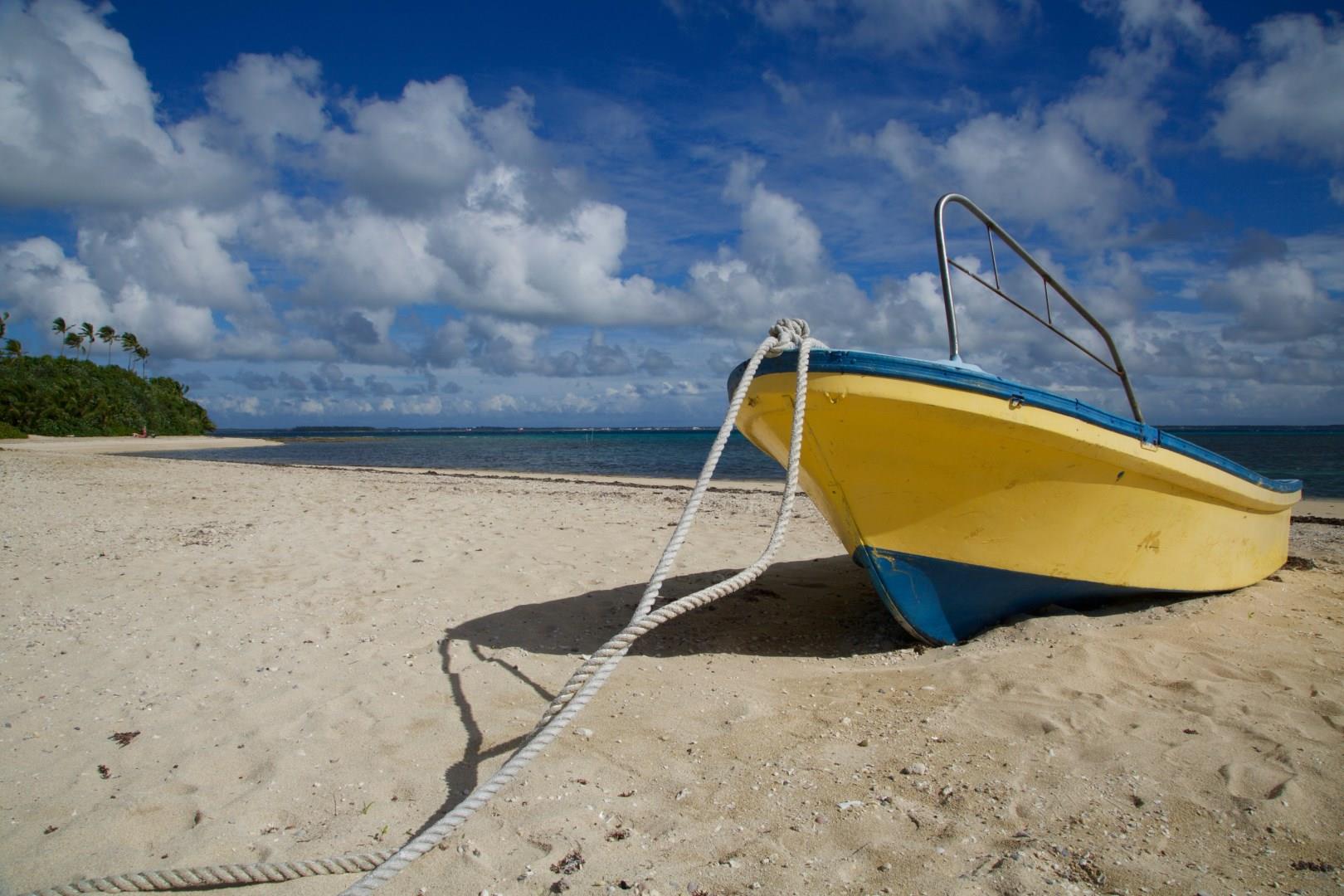
Tonga
Tonga is distinctly different to its neighboring island nations. This Polynesian kingdom, made up of 170 islands, carries a proud history that dates back over 3,000 years. On the main island of Tongatapu, travelers can explore ancient stone structures like the Haʻamonga ʻa Maui Trilithon—sometimes called the Stonehenge of the Pacific. Royal tombs in Lapaha offer a glimpse into the lineage of Tonga’s kings, while village life remains guided by customs that have changed little over centuries.
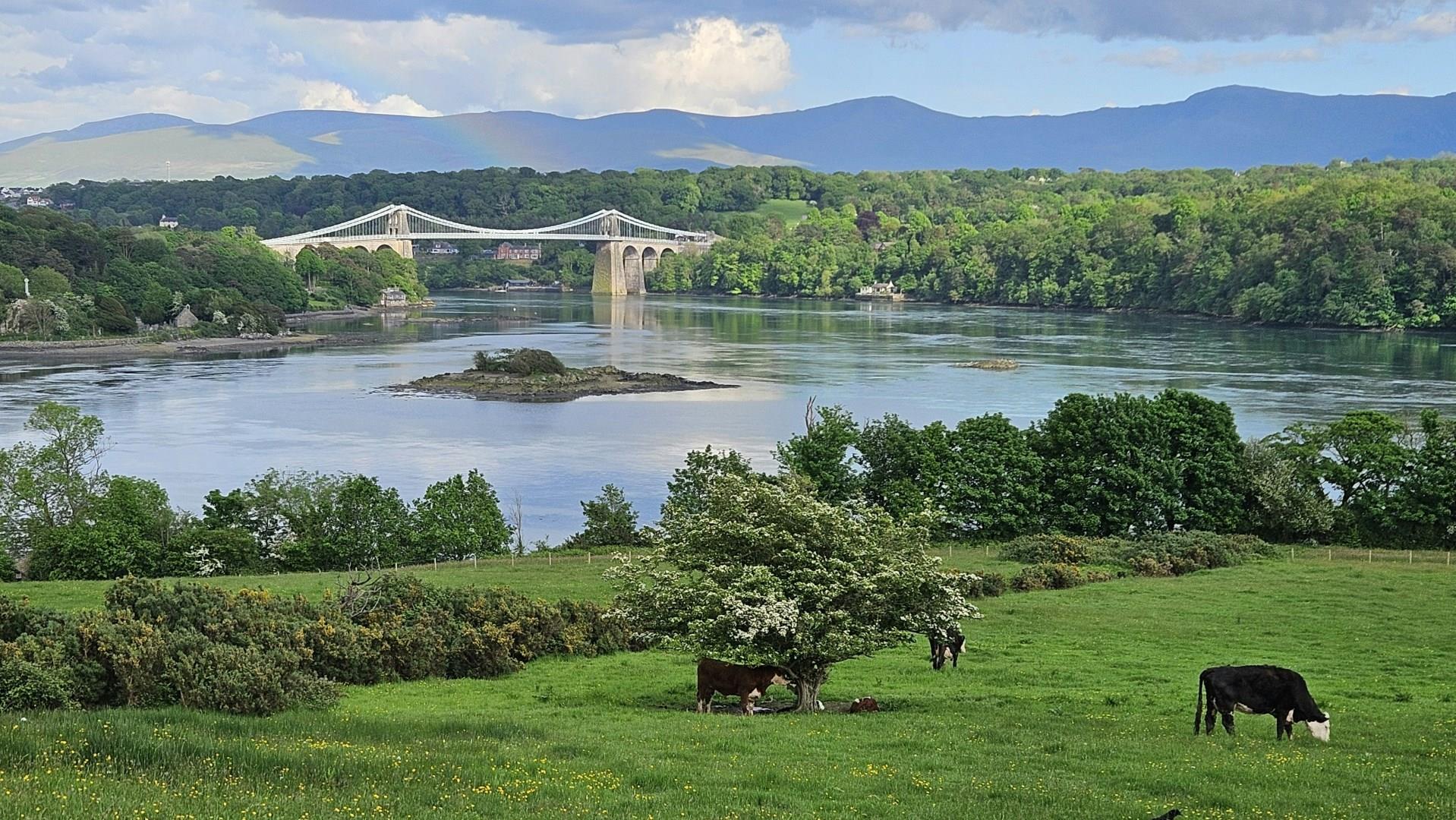
Anglesey
Anglesey is an island off the northwest coast of Wales with a history that stretches back thousands of years. Fertile lands and strategic coastal position made it an early center for agriculture, livestock, and maritime trade.