La Palma
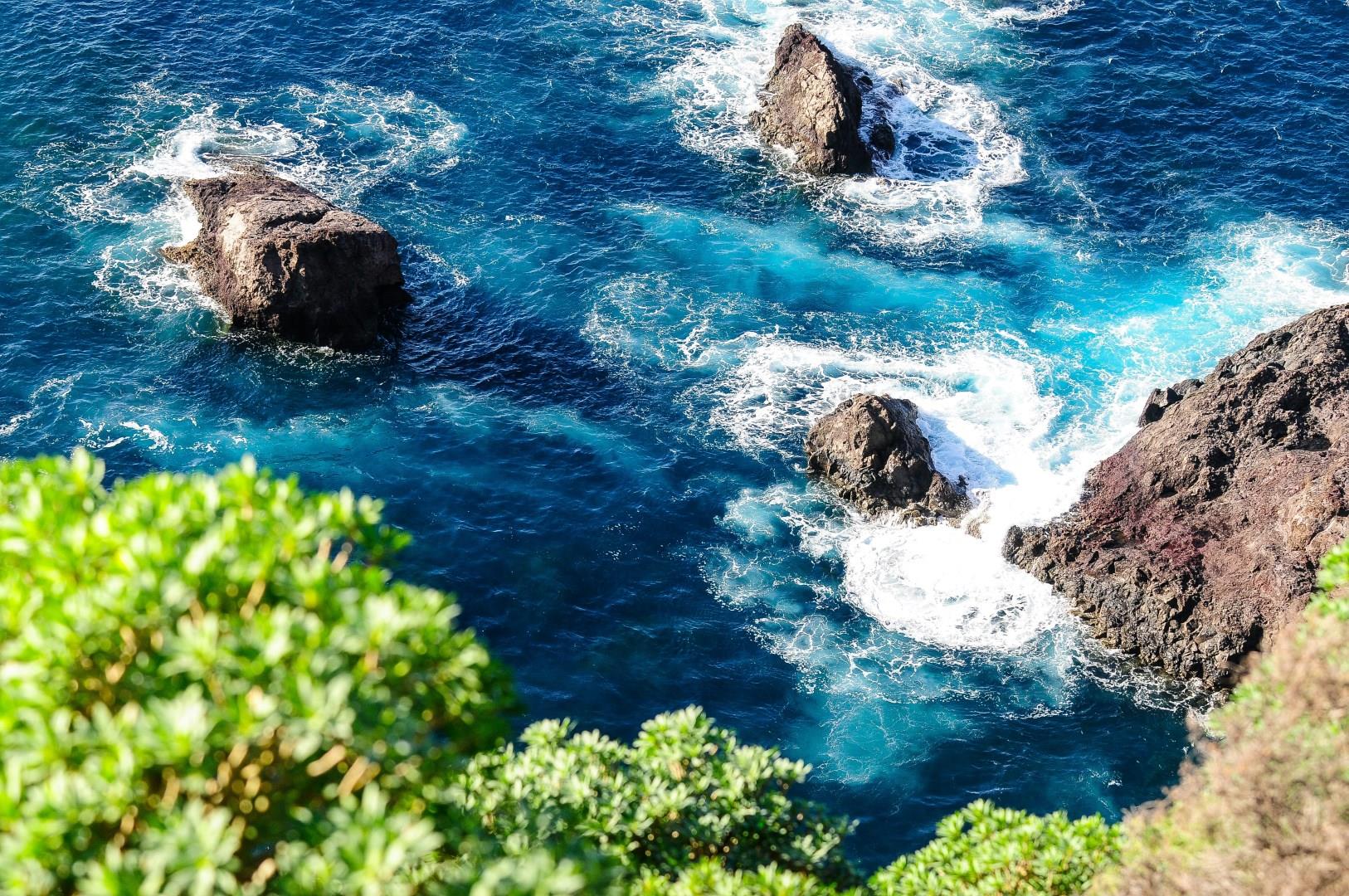
La Palma (also San Miguel de La Palma) is the fifth of Spain's Canary Islands. This mountainous volcanic island is a natural wonder of tropical vegetation. Its coast is lined by jagged cliffs and plunging ravines, and its beaches are covered with black sand. Thanks to dry climate and the height of its mountains creating excellent observation conditions, La Palma has become the home of some of the world's largest telescopes, seated on the rocky ridge called El Roque de los Muchachos.

Vancouver Island
Vancouver Island, British Columbia, is a nature lover's paradise, offering a diverse landscape that ranges from rugged coastlines to lush rainforests. The island’s stunning natural beauty is best explored through its extensive network of parks and outdoor spaces, such as the iconic Pacific Rim National Park Reserve and Strathcona Provincial Park, British Columbia’s oldest provincial park.
Tortuguero
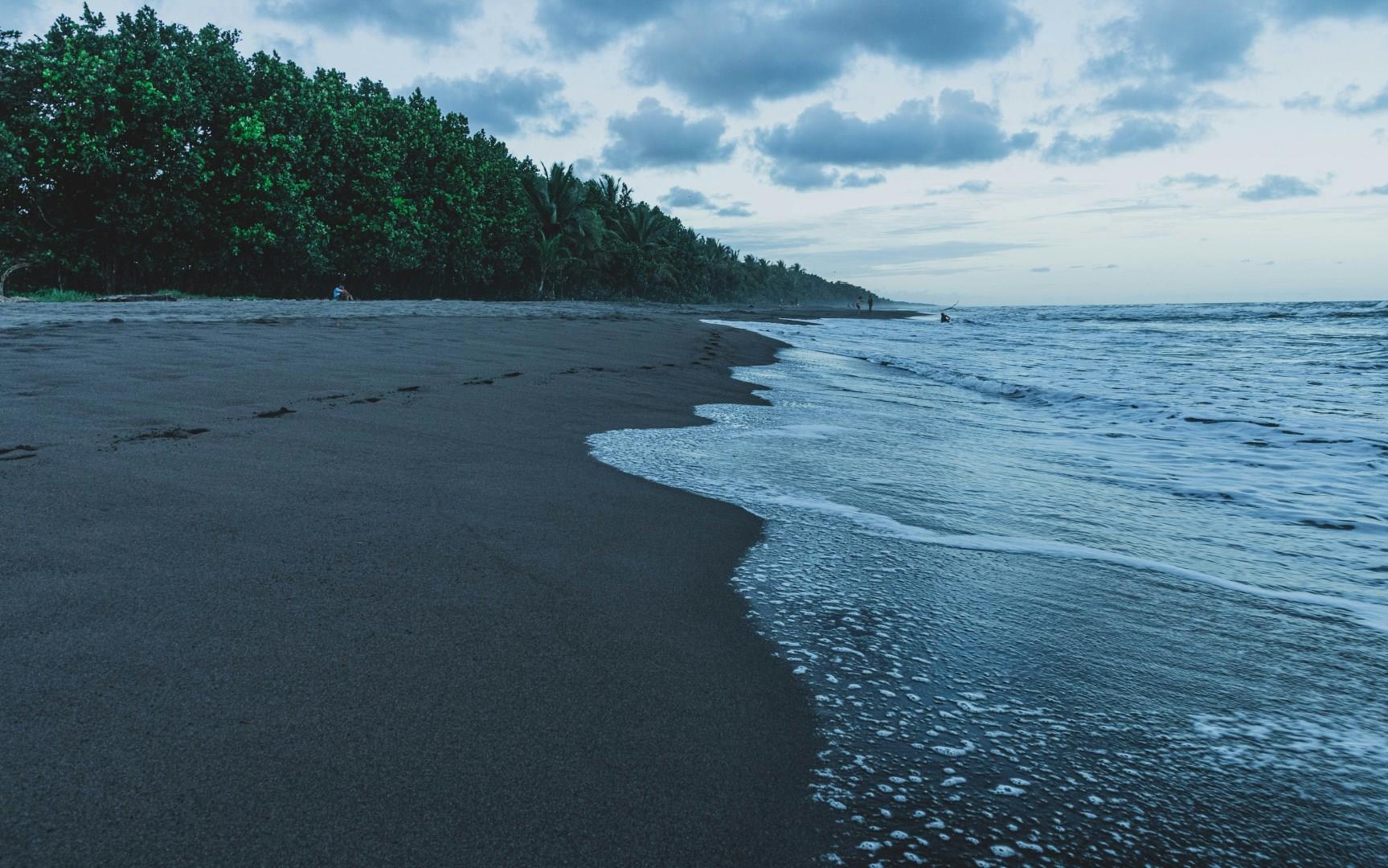
Tortuguero, located on Costa Rica’s remote northern Caribbean coast, is a destination unlike any other in the country. Accessible only by boat or small aircraft, this coastal village sits between the Caribbean Sea and a network of freshwater canals. Its name, meaning "place of turtles," comes from the thousands of sea turtles that arrive annually to lay their eggs on its beaches, including green, leatherback, and hawksbill turtles.

Pécs
Pécs, Hungary, is a city that seamlessly blends history, culture, and a vibrant modern atmosphere. Nestled at the foot of the Mecsek Mountains in southern Hungary, Pécs boasts a rich heritage that dates back over 2,000 years. Visitors are often captivated by the city’s unique blend of Roman, Ottoman, and Hungarian influences.

Europe
Europe is a continent where centuries of history, diverse cultures, and striking landscapes are woven together. From the snowy peaks of the Alps to the sun-soaked shores of the Mediterranean, each region offers its own distinct character and traditions.