Candi Dasa
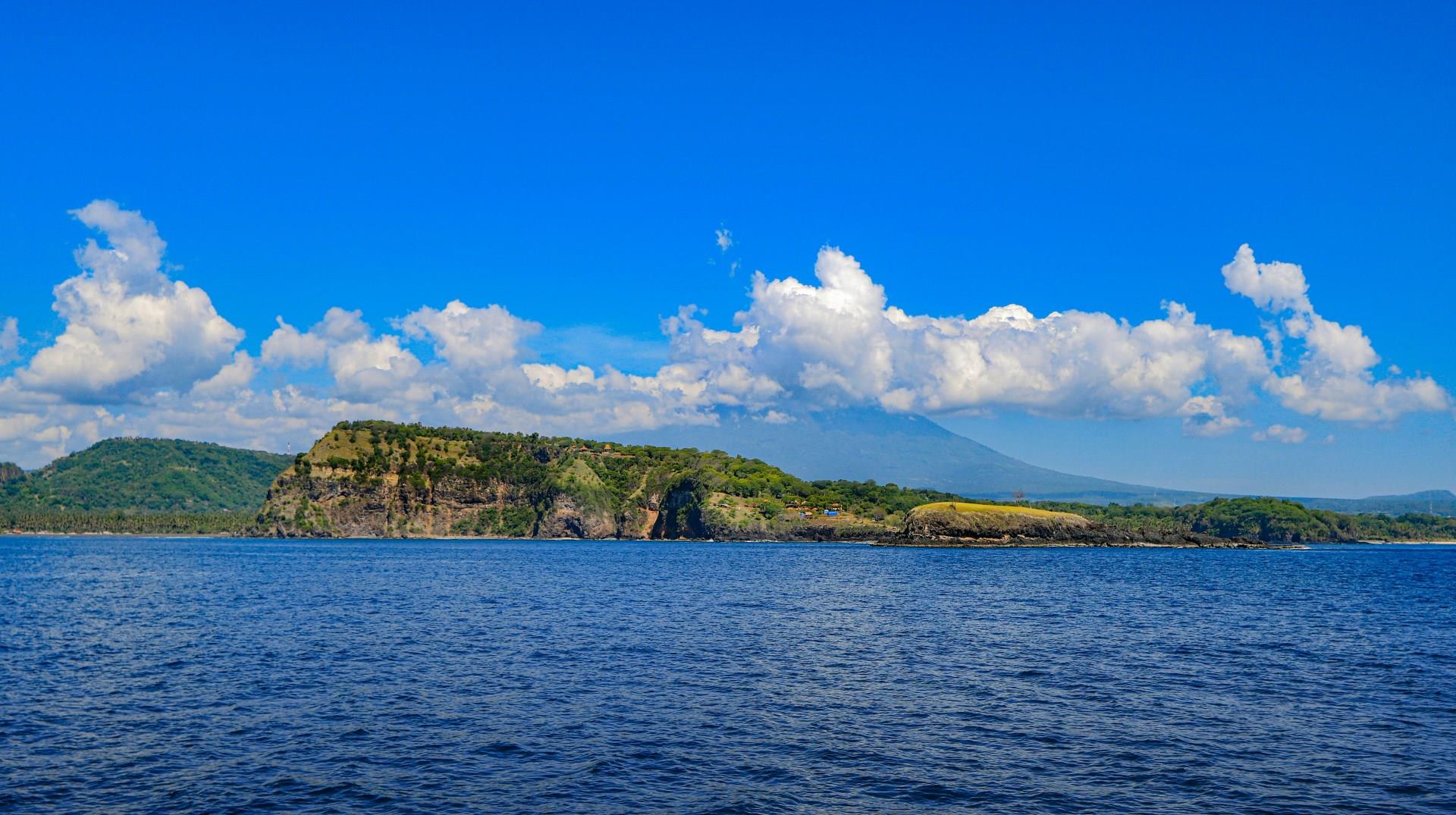
Candi Dasa lies along Bali’s quieter east coast, where the village grew around a coastal lagoon once used for ritual and fishing life. Its development has remained low-key compared to southern Bali, and local temples and daily offerings reflect a rhythm shaped more by tradition than tourism.
Rocamadour
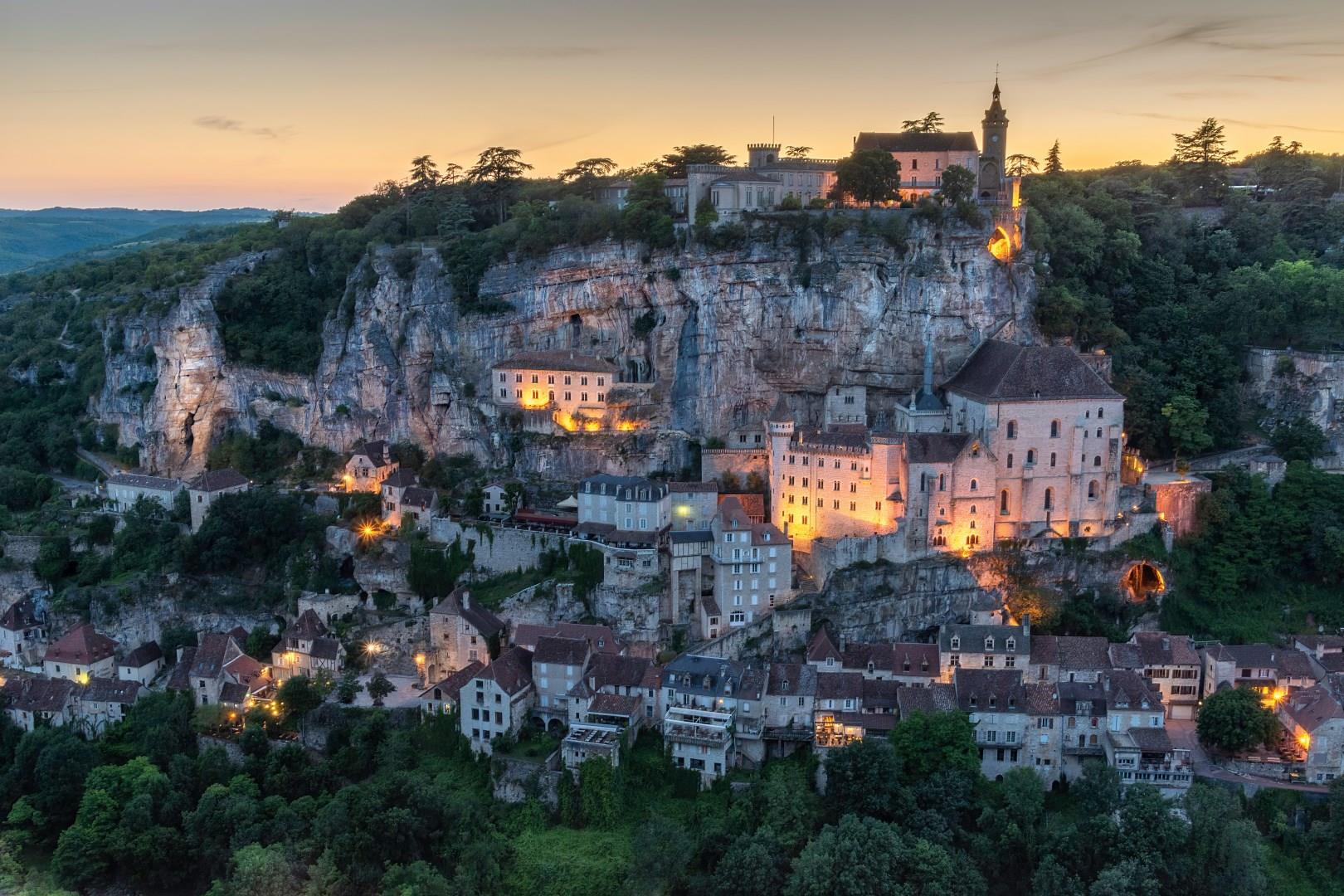
Rocamadour is a remarkable village set against a steep limestone cliff in the Lot department of southwestern France. Its stone buildings, narrow lanes and ancient sanctuaries rise in stages above the Alzou River valley, giving the settlement a striking silhouette that has drawn visitors for centuries. Pilgrims have come here since the Middle Ages to see the Black Madonna in the Chapelle Notre-Dame and to walk the Chemin de Croix.

Jaisalmer
Jaisalmer, known as the "Golden City" of India, rises from the sands of the Thar Desert with a breathtaking display of medieval architecture and vibrant culture. Dominated by its imposing fort, the Jaisalmer Fort, a UNESCO World Heritage Site, this city is a striking example of Rajput architecture.
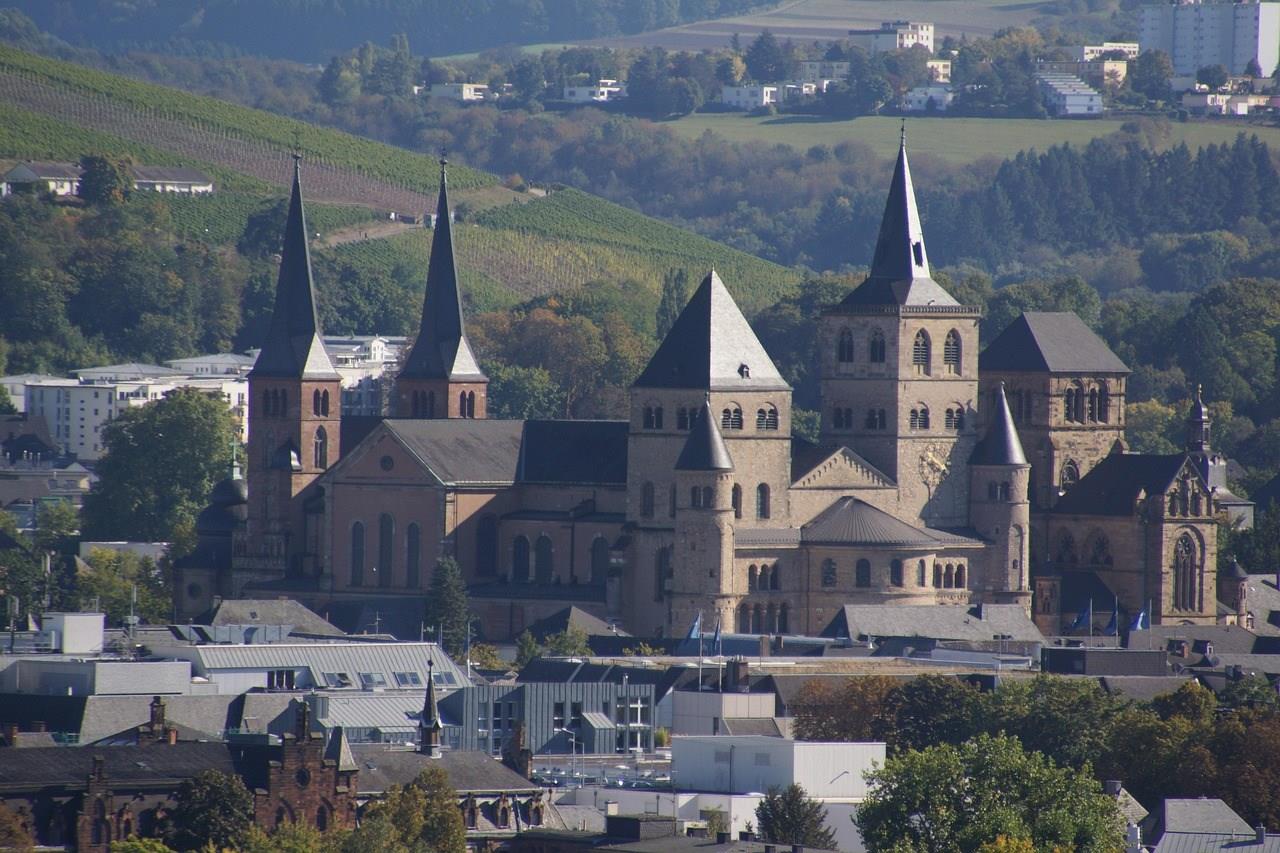
Trier
Trier, Germany’s oldest city, is a living museum nestled in the Moselle Valley, where Roman ruins rise beside medieval churches and bustling market squares. Founded by the Romans in 16 BCE, Trier was once known as “Roma Secunda,” the second Rome, and still boasts the largest collection of Roman architecture north of the Alps. The Trier Cathedral (Dom St. Peter), which is a UNESCO World Heritage Site, is the oldest church in Germany and houses a relic said to be the Holy Robe of Christ.

Mâcon
Mâcon is a riverside town in the Saône et Loire department of southern Burgundy, set where the Saône River curves gently through the countryside. Walking through the town naturally leads visitors from the riverfront toward its historic streets, where the past seems to linger in every corner. In the heart of Mâcon’s historic district, pedestrians find streets lined with notable sites.