
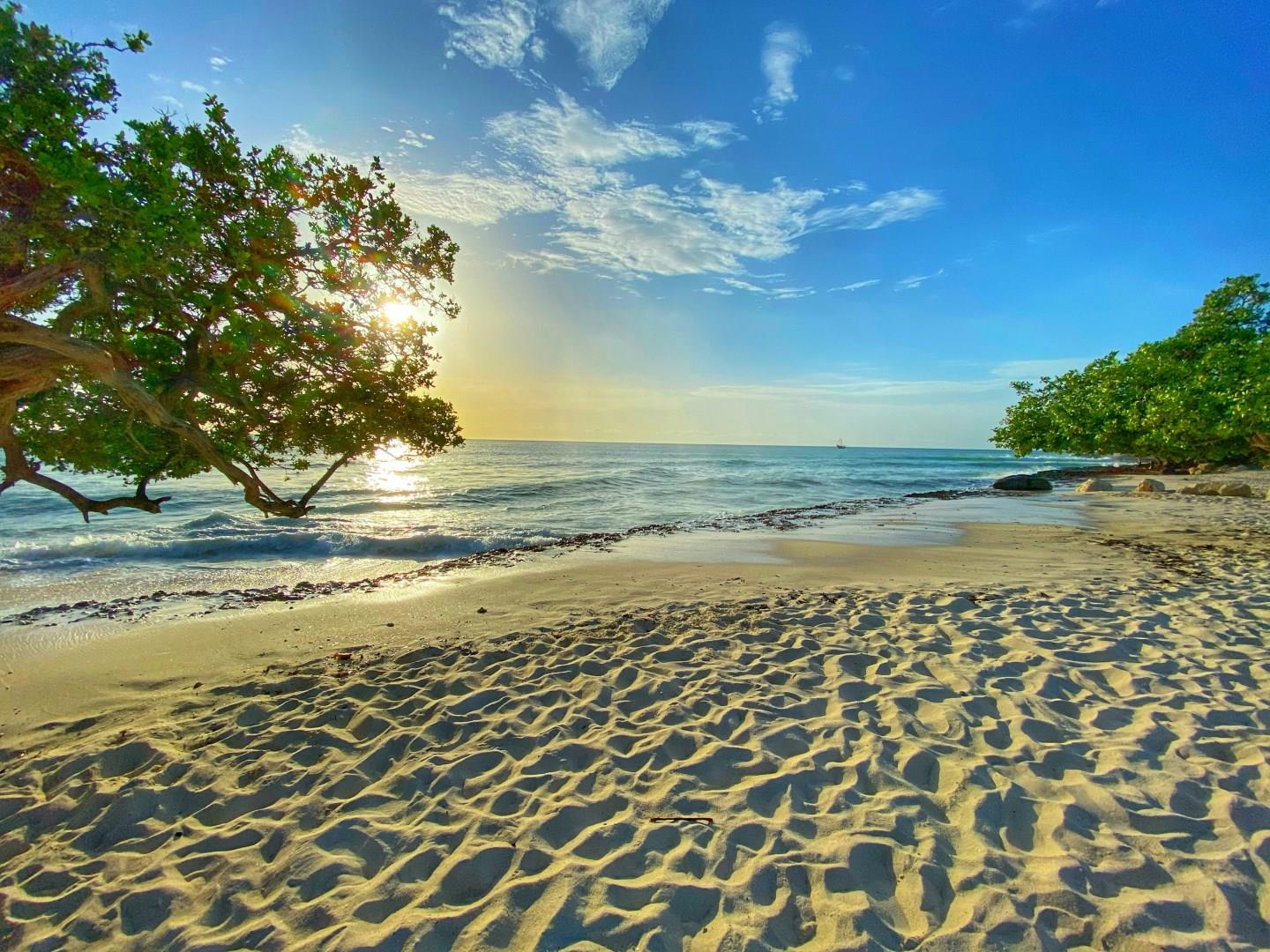
Eagle Beach
Eagle Beach, on Aruba’s western coast, is often celebrated as one of the most beautiful beaches in the Caribbean. Known for its wide stretch of soft white sand and calm turquoise waters, it offers a peaceful setting away from the livelier resort areas.
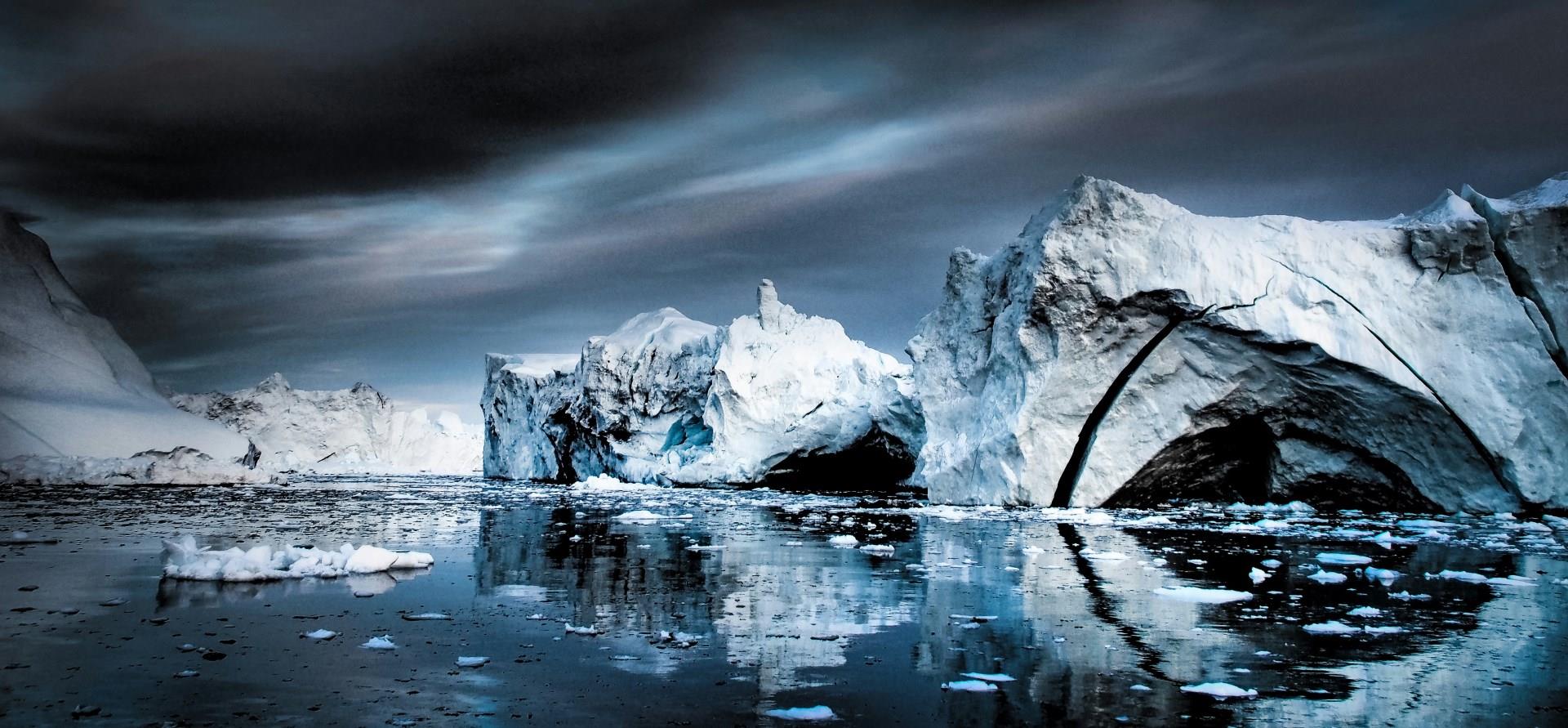
Ilulissat
On Greenland’s west coast, Ilulissat (once known as Jakobshavn) welcomes travelers with astonishing ice scenery and a sense of scale that feels almost otherworldly. The town sits beside Disko Bay, where immense icebergs drift silently past, glowing pink and gold in the Arctic light. The name “Ilulissat” means “icebergs,” and it could not be more fitting. Here, every turn toward the sea offers a fresh view of towering ice forms, each one sculpted by nature into something fleeting and beautiful.

India
Considered a hub for the world’s information technology industry, India is a major player in the global economy, and its cosmopolitan cities, including Delhi and Mumbai, offer a mosaic of modern and historic architectural styles for locals and visitors alike to enjoy.

Muscat
Travelers on the Arabian Sea often find themselves in Muscat, on the Gulf of Oman. This port capital is situated between ocean and mountains, and boasts lovely beaches, great diving sites (watch for turtles!), 16th-century forts, and the impressive Sultan Qaboos Grand Mosque, which can hold 20,000 people.

Ecuador
In the heart of South America, Ecuador offers a compact yet astonishingly diverse experience for travelers. From the cobbled streets of Quito’s historic center to the vibrant Afro-Ecuadorian rhythms of Esmeraldas, the country pulses with stories waiting to be discovered. Just a short drive away, visitors can stand on the equator line at the “Mitad del Mundo” and participate in engaging experiments that demonstrate the planet’s gravitational quirks.


