
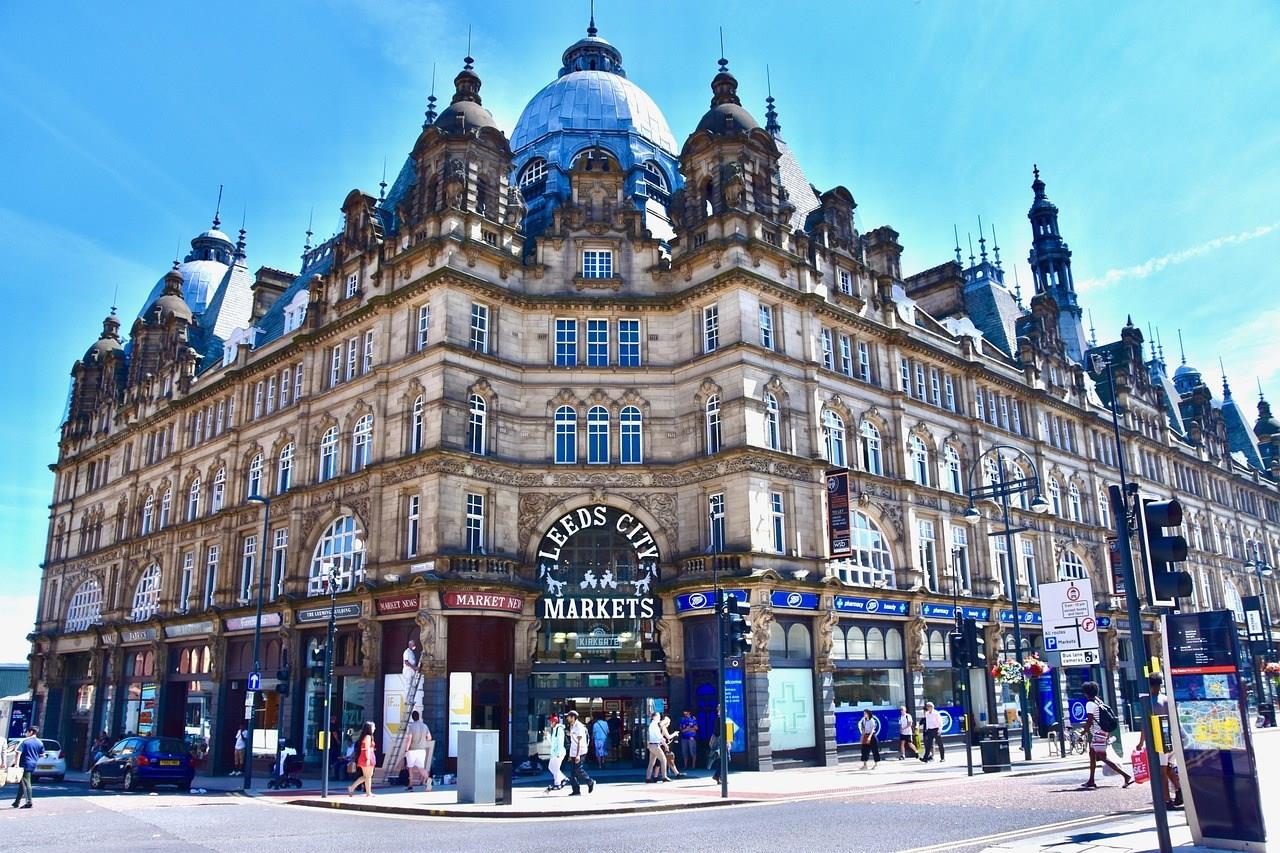
Leeds
Leeds, in the heart of West Yorkshire, is one of northern England’s most dynamic cities, where industrial heritage meets modern creativity. Once a powerhouse of the textile trade during the Industrial Revolution, the city has transformed into a hub for business, culture, and education.

Lucerne
Behold beautiful Lucerne! This German-speaking area of central Switzerland on Lake Lucerne is a truly spectacular locale. Surrounded by mountains and notable for its famous Chapel Bridge, this idyllic and musical Swiss locale is wonderful any time of year.
Williamsburg
Williamsburg, Virginia offers visitors the unusual opportunity to walk through a fully reconstructed 18th-century city. As the capital of the Virginia Colony from 1699 to 1780, Williamsburg played a key role in early American politics and daily life. Today, Colonial Williamsburg spans over 300 acres and includes historic buildings, working tradespeople, and costumed interpreters who bring the Revolutionary era to life.

Kos
Kos, an enchanting island in Greece’s Dodecanese archipelago, is a gem steeped in both history and natural beauty. Known as the birthplace of Hippocrates, the father of modern medicine, Kos is home to the ancient Asclepeion, a healing temple where Hippocrates taught his students. Visitors can wander through the well-preserved ruins and enjoy sweeping views over the island and the Aegean Sea.

Niagara Falls
Niagara Falls, Canada, is a destination that captures the imagination with its breathtaking natural beauty and vibrant atmosphere. Straddling the border between Canada and the United States, Niagara Falls is a world-renowned wonder that consists of three powerful waterfalls: the Horseshoe Falls, the American Falls, and the Bridal Veil Falls. The Canadian side is famous for offering the most spectacular views of these cascading waters.


