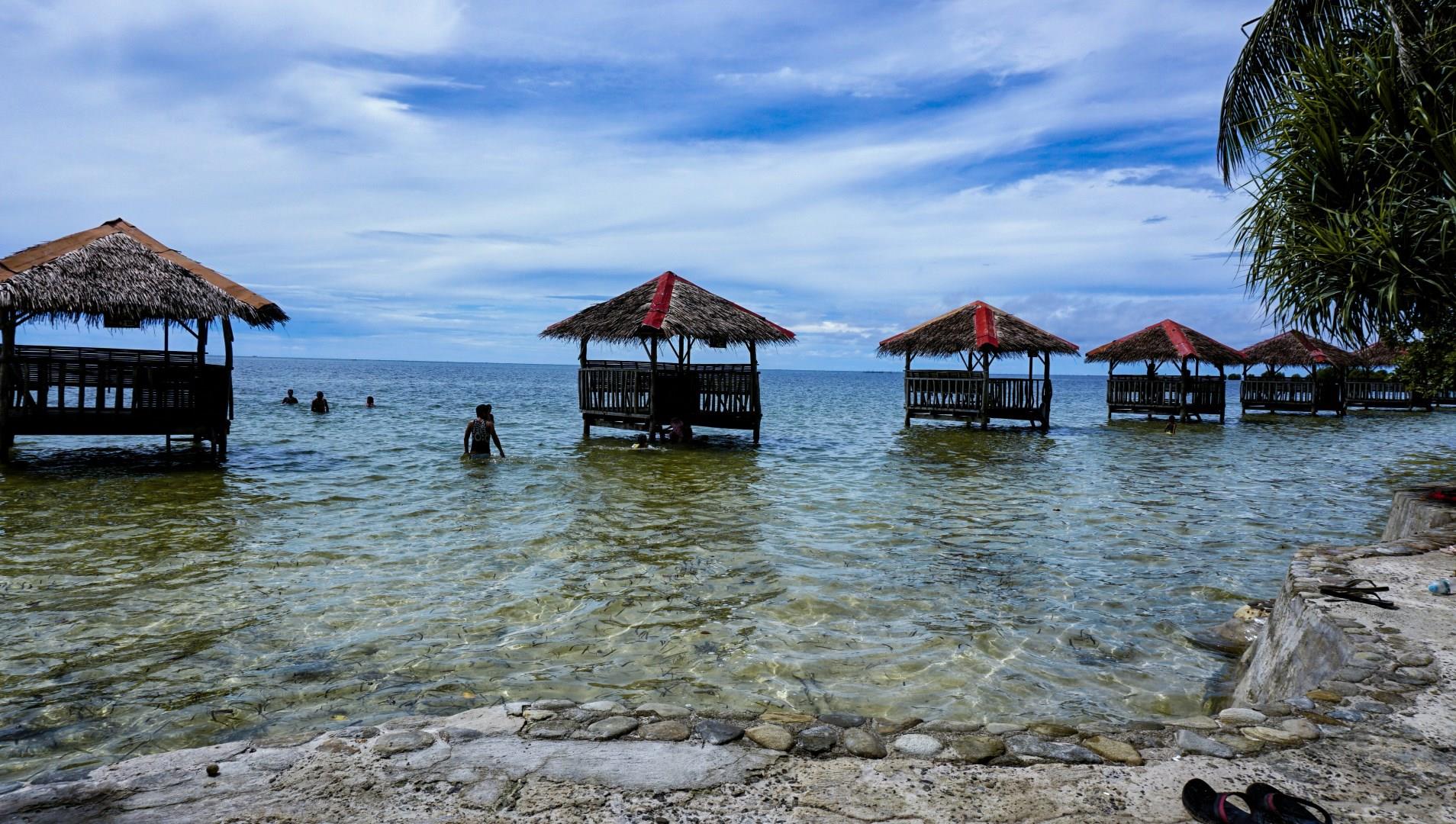
Dominica, known as the “Nature Island of the Caribbean,” is a haven for eco-tourists and adventure seekers. Nestled between the French islands of Guadeloupe and Martinique, this lush island boasts a remarkable landscape of volcanic mountains, dense rainforests, and stunning waterfalls. Dominica’s most iconic natural wonder is the Boiling Lake, the second-largest hot spring in the world.
Rhode Island may be the smallest state in the U.S., but it offers an outsized variety of experiences, from colonial history to coastline escapes. Founded in 1636 by Roger Williams as a haven for religious freedom, the state still reflects its independent spirit. In Providence, travelers can visit the John Brown House Museum to explore the city’s role in early American commerce, or walk Benefit Street, lined with preserved 18th- and 19th-century homes.
Elba Island, off the coast of Tuscany, is a Mediterranean gem known for its crystal-clear waters, diverse landscapes, and historical significance. This idyllic island is the largest in the Tuscan Archipelago and offers a perfect blend of natural beauty and cultural heritage. Visitors can explore pristine beaches such as Cavoli and Procchio, where turquoise waves lap against golden sands, making it an ideal destination for sunbathing, snorkeling, and diving.
Tenerife is the largest isle of the Canary Islands archipelago. Famous for its black and yellow sand beaches as well as Mt. Teide, the dormant volcano that looms over the island.
Georgia, nestled at the crossroads of Europe and Asia, is a country defined by dramatic landscapes, rich traditions, and a deep sense of history. The snow-capped Caucasus Mountains rise in the north, offering scenic hiking trails and ancient villages, while the Black Sea coastline in the west provides a warmer, more relaxed atmosphere.
Nestled in the picturesque Burgundy region of France, Tournus offers a charming glimpse into both its rich medieval history and its delightful contemporary culture. One of the city’s standout landmarks is the Abbey of Saint-Philibert, a remarkable example of Romanesque architecture. Founded in the 10th century, this abbey features stunning stone carvings and a tranquil cloister, making it a must-visit for history and architecture enthusiasts.
Tournus is also celebrated for its culinary heritage. The town’s location on the banks of the Saône River and its proximity to the vineyards of Burgundy mean that visitors can enjoy exquisite regional cuisine and fine wines. The local markets, such as the Place de l’Abbaye market, offer an array of fresh, locally-sourced products, perfect for sampling the flavors of the region. The town is known for its delightful restaurants that feature traditional Burgundian dishes.
Fun Fact: Tournus is home to a unique medieval clock tower, the Tour Saint-Marcel, which has been in operation since the 15th century. It’s a delightful reminder of the city’s long and storied history.
With its blend of historical significance, culinary delights, and vibrant cultural scene, Tournus invites visitors to experience the timeless charm of Burgundy.