
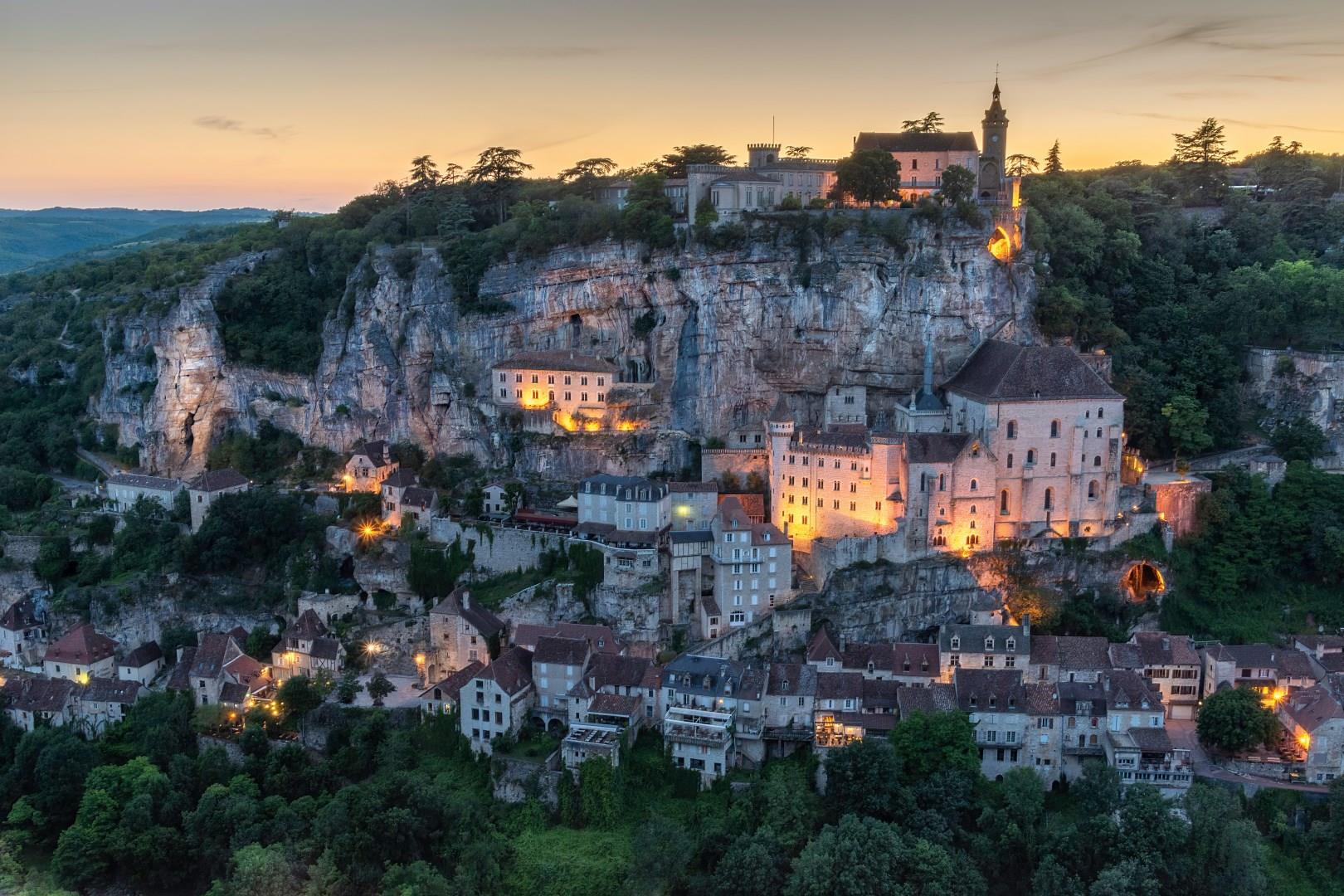
Rocamadour
Rocamadour is a remarkable village set against a steep limestone cliff in the Lot department of southwestern France. Its stone buildings, narrow lanes and ancient sanctuaries rise in stages above the Alzou River valley, giving the settlement a striking silhouette that has drawn visitors for centuries. Pilgrims have come here since the Middle Ages to see the Black Madonna in the Chapelle Notre-Dame and to walk the Chemin de Croix.
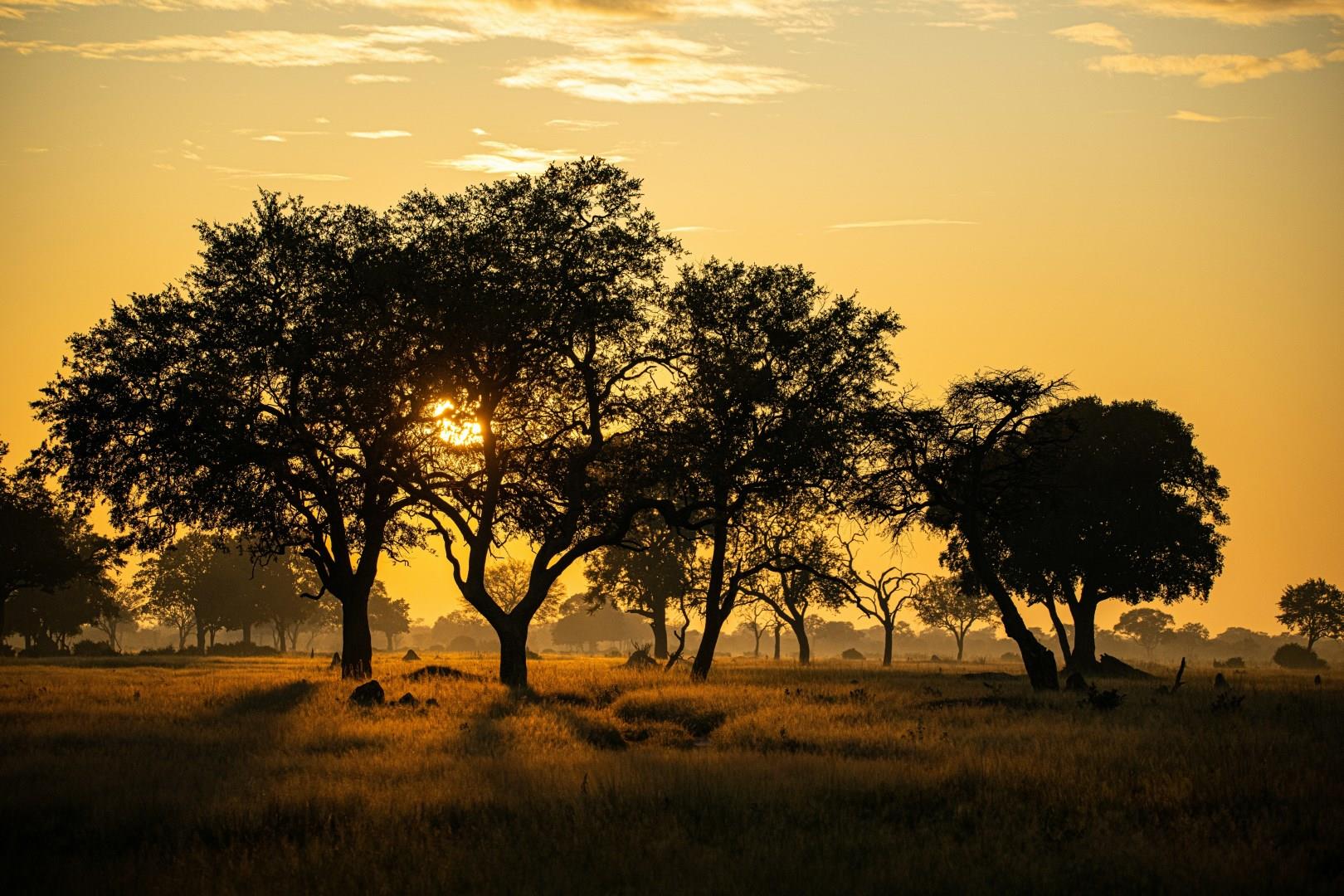
Hwange National Park
Hwange National Park, located in western Zimbabwe, is the country’s largest protected area and one of Africa’s premier wildlife reserves. Covering more than 14,600 square kilometers, it is renowned for its extraordinary diversity of animals and habitats.

Marrakesh
Marrakesh, a vibrant jewel in the heart of Morocco, is a city where ancient traditions blend seamlessly with modern allure. Known as the "Red City" for its rose-hued buildings and walls, Marrakesh offers a sensory experience unlike any other. The city’s medina, a UNESCO World Heritage Site, is a labyrinth of narrow alleyways, bustling souks, and hidden courtyards.

Passau
Passau sits on the confluence of the Danube, the Inn and the Ilz, so it is fitting that it is known as "the Dreiflüssestadt", which means the “City of Three Rivers.” The historical center offers a cathedral, churches and museums to explore, and the embankment is perfect for a romantic stroll.
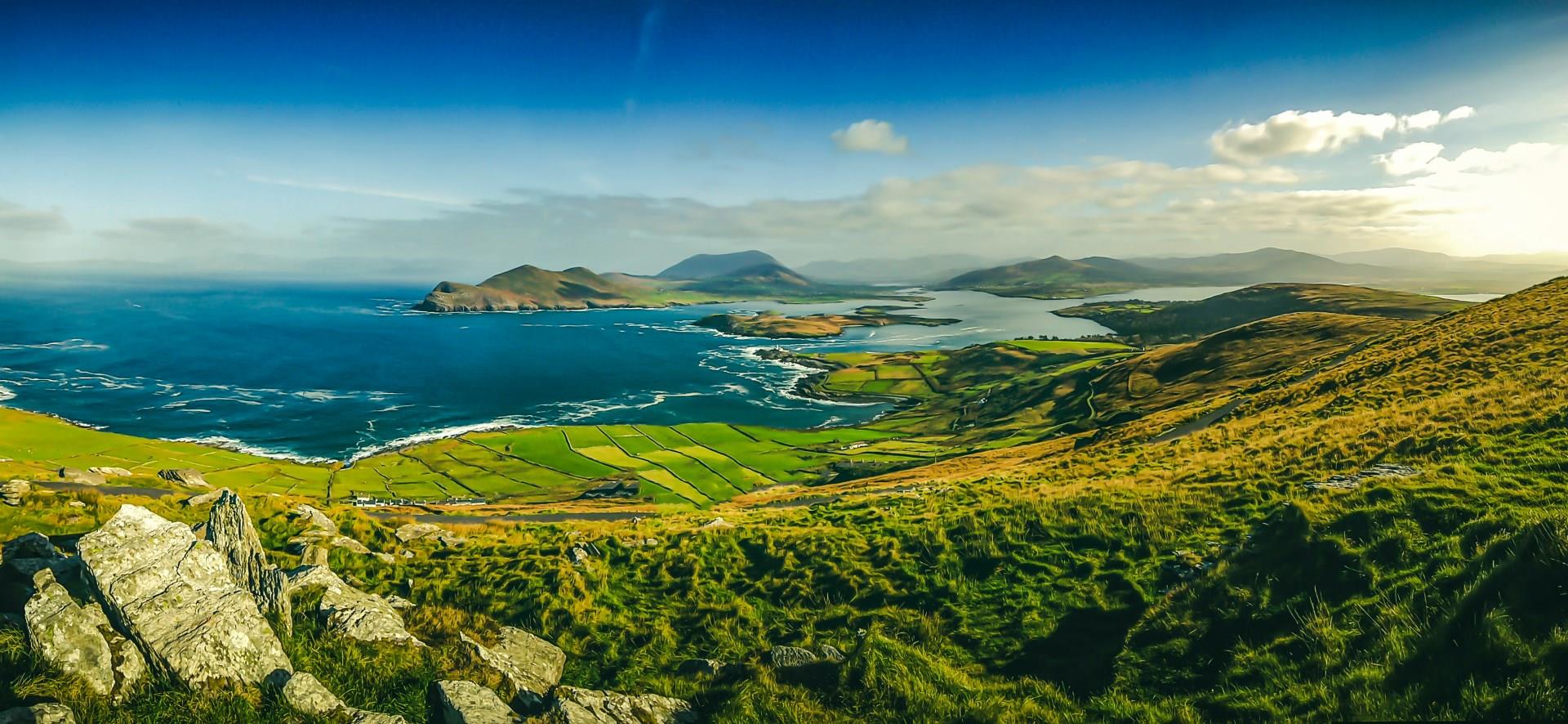
Kerry County
County Kerry, located in Ireland’s southwest corner, is a landscape of dramatic contrasts, where rugged mountains meet serene lakes and Atlantic waves crash against wild peninsulas. Known as “The Kingdom,” Kerry holds deep cultural and historical significance, with ancient ring forts, medieval monasteries, and Gaelic traditions that endure in everyday life.


