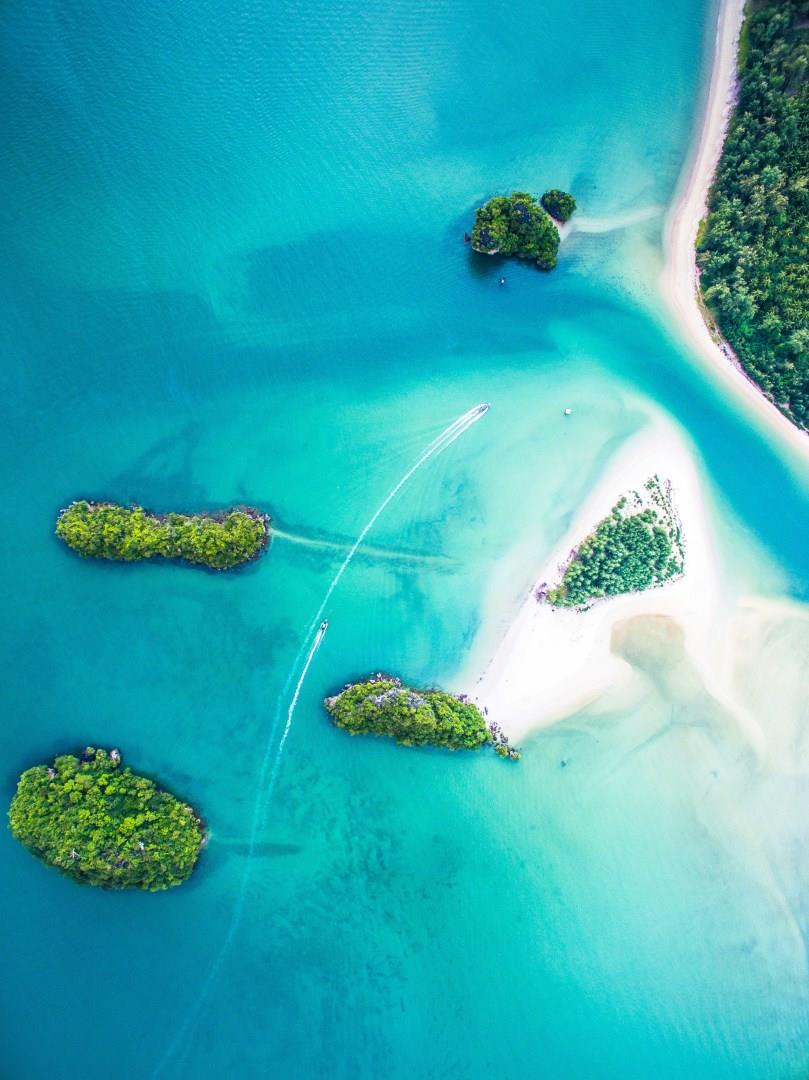
Ao Nang is a coastal town in Thailand’s Krabi province, set against a backdrop of limestone cliffs that rise abruptly from the shoreline. Once a quiet fishing village, it has grown into a lively seaside hub while still retaining strong ties to the surrounding landscape.
North of Sligachan the road first rises and then dips down into Portree - the main town on Skye. With its natural harbor and open perspective, Portree is a pleasant village and offers visitors a fine range of local services, accommodation and things to do.
Lofoten, a breathtaking archipelago in northern Norway, is a destination that captures the heart of every traveler who sets foot on its dramatic shores. Renowned for its towering peaks, pristine beaches, and quaint fishing villages, Lofoten offers an unparalleled experience for those seeking the beauty of the Arctic wilderness.
The Czech Republic is a country where centuries-old castles, storybook towns, and deeply rooted traditions coexist with vibrant art scenes and local beer halls. Prague draws the most attention, with its Gothic towers, Baroque churches, and the world’s oldest working astronomical clock, still ticking in the Old Town Square.
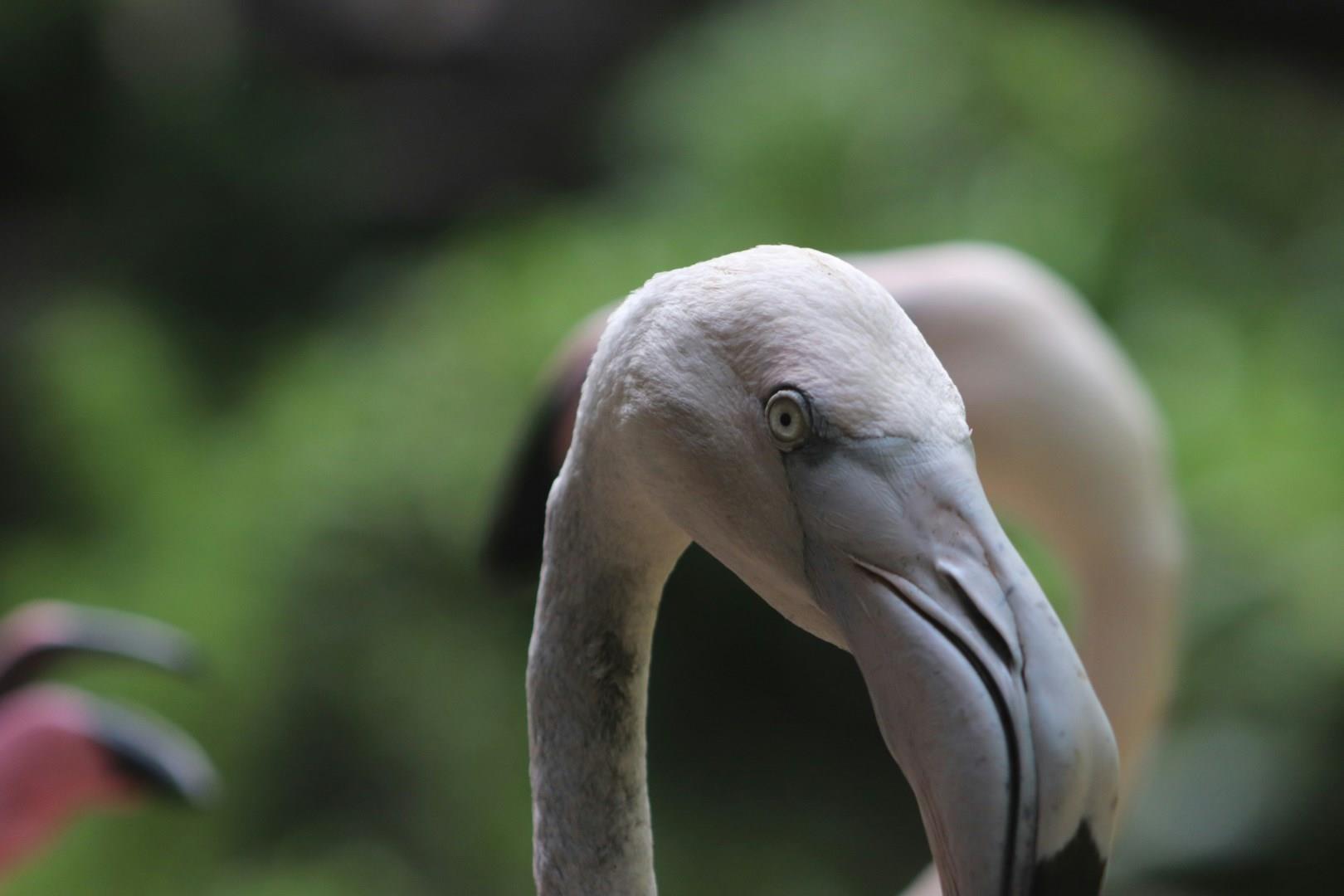
Kanchanaburi, a province in western Thailand, is best known for its poignant history and lush landscapes. It was here that Allied prisoners of war and Asian laborers were forced to build the infamous Death Railway during World War II, including the Bridge over the River Kwai, which remains a powerful symbol of resilience.
The Volga River is an emblematic waterway that meanders through the heart of Russia, offering an exceptional journey through the country’s rich cultural and historical tapestry. As Europe’s longest river, stretching approximately 3,530 kilometers (2,194 miles), the Volga flows from the Valdai Hills to the Caspian Sea, weaving through major cities such as Tver, Nizhny Novgorod, and Volgograd. This grand river is not only vital for transportation and trade but also a central feature in Russia's cultural heritage.
Cruising along the Volga provides a unique vantage point to experience Russia's diverse landscapes and architectural marvels. The Volga River Cruises are particularly popular, offering travelers an opportunity to explore historic cities and picturesque countryside from the comfort of a riverboat. Highlights include the historic city of Kazan, with its stunning Kazan Kremlin, and Volgograd, known for its monumental Motherland Calls statue, which commemorates the fierce Battle of Stalingrad during World War II.
The river's significance is further underscored by its role in Russian folklore and literature. The Volga Boatmen's Song is a traditional Russian song that evokes the hardships and nostalgia of those who worked on the river. Additionally, the region is known for its vibrant festivals, such as the Volga Regatta, which celebrates the river's historical and cultural importance with rowing and boating events.
The Volga River is sometimes referred to as the “Mother Volga” because of its profound influence on Russian culture and its role in the livelihoods of countless communities along its banks. Its importance is reflected in the numerous cultural and historical sites that dot its course, making it a truly enchanting destination for those interested in exploring the depth of Russia's heritage.