Beyond its historical sites, Jordan's natural landscapes offer a diverse range of experiences. The Dead Sea, the lowest point on Earth's surface, is renowned for its buoyant waters and therapeutic mud, attracting visitors seeking relaxation and wellness. To the south, Wadi Rum's dramatic desert scenery, with its towering sandstone mountains and vast red dunes, provides a backdrop for adventure activities like jeep tours, camel rides, and stargazing.
Klaipeda, Lithuania’s only port city, is a place where history, nature, and the sea come together. Located on the coast of the Baltic Sea, this charming city has a unique old town filled with cobblestone streets.
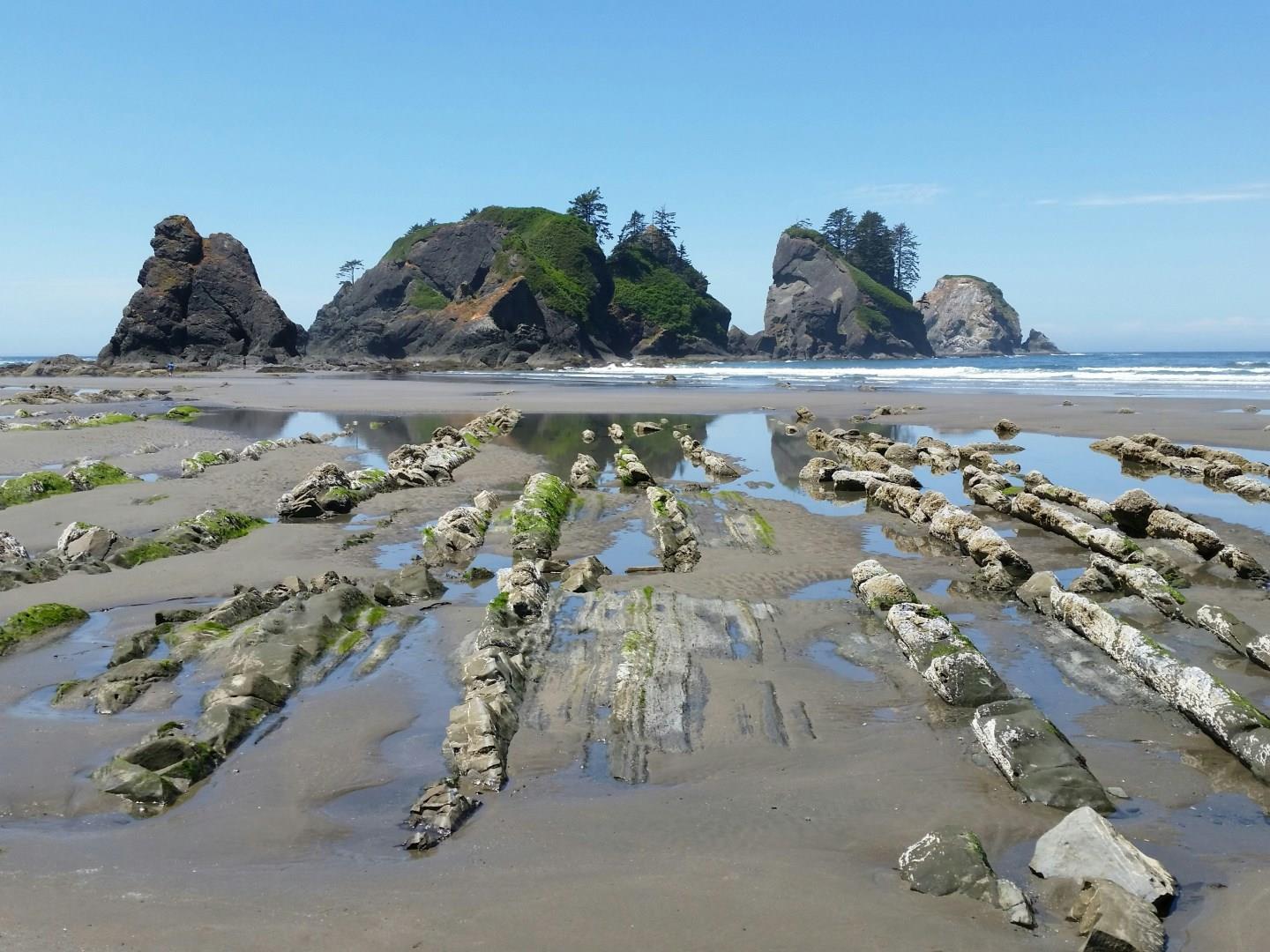
The Olympic Peninsula occupies the far northwest corner of Washington State, where mountains, rainforest, and coastline meet within a relatively compact area.
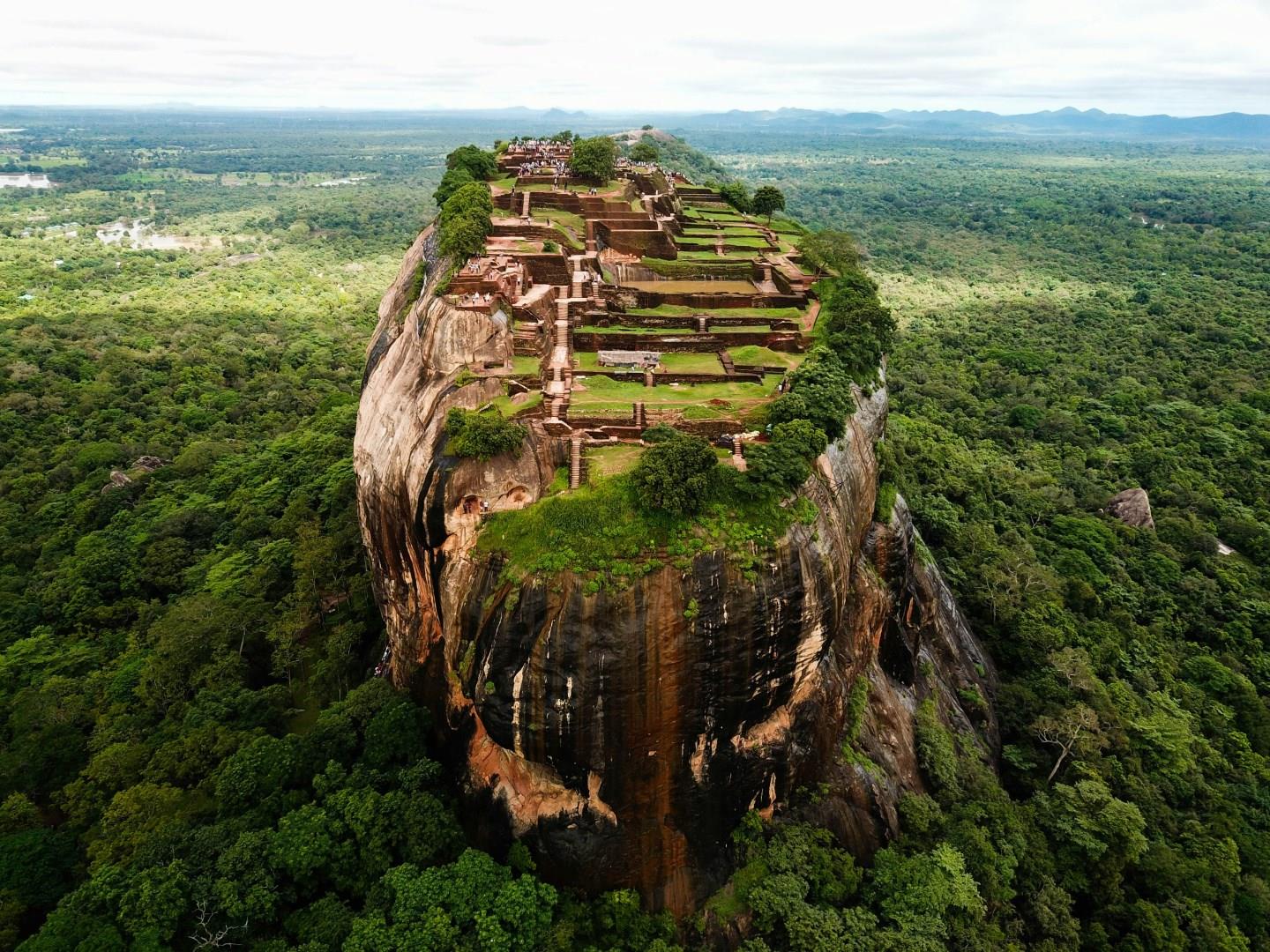
Sigiriya, in central Sri Lanka, is an ancient rock fortress and one of the country’s most iconic archaeological sites. Rising nearly 200 meters from the surrounding plains, the massive granite column is crowned by the ruins of a royal palace built in the 5th century CE by King Kasyapa.
Perched on the northern coast of Spain, A Coruña (or La Coruña) is a captivating city with a rich maritime heritage and scenic beauty. Dominated by its iconic lighthouse, the Torre de Hércules, which is the oldest functioning lighthouse in the world, A Coruña offers a unique glimpse into ancient engineering.
The Volga River is an emblematic waterway that meanders through the heart of Russia, offering an exceptional journey through the country’s rich cultural and historical tapestry. As Europe’s longest river, stretching approximately 3,530 kilometers (2,194 miles), the Volga flows from the Valdai Hills to the Caspian Sea, weaving through major cities such as Tver, Nizhny Novgorod, and Volgograd. This grand river is not only vital for transportation and trade but also a central feature in Russia's cultural heritage.
Cruising along the Volga provides a unique vantage point to experience Russia's diverse landscapes and architectural marvels. The Volga River Cruises are particularly popular, offering travelers an opportunity to explore historic cities and picturesque countryside from the comfort of a riverboat. Highlights include the historic city of Kazan, with its stunning Kazan Kremlin, and Volgograd, known for its monumental Motherland Calls statue, which commemorates the fierce Battle of Stalingrad during World War II.
The river's significance is further underscored by its role in Russian folklore and literature. The Volga Boatmen's Song is a traditional Russian song that evokes the hardships and nostalgia of those who worked on the river. Additionally, the region is known for its vibrant festivals, such as the Volga Regatta, which celebrates the river's historical and cultural importance with rowing and boating events.
The Volga River is sometimes referred to as the “Mother Volga” because of its profound influence on Russian culture and its role in the livelihoods of countless communities along its banks. Its importance is reflected in the numerous cultural and historical sites that dot its course, making it a truly enchanting destination for those interested in exploring the depth of Russia's heritage.