Lithuania offers visitors a chance to explore a country where medieval traditions and modern culture meet. Vilnius, the capital, is known for its well-preserved Old Town, a UNESCO World Heritage site filled with winding streets, baroque churches, and cozy squares. Visitors can climb the hill to Gediminas’ Tower for a sweeping view of the city, or visit the Gates of Dawn, an important religious and historical monument that has welcomed travelers for centuries.
Chichicastenango, often simply called "Chichi," is a vibrant town in the highlands of Guatemala that offers an unparalleled cultural experience. Known for its lively indigenous market, which takes place every Thursday and Sunday, this bustling bazaar is one of the most famous in Central America. Here, visitors can immerse themselves in the rich tapestry of Mayan culture while browsing colorful textiles, handcrafted masks, and traditional pottery.
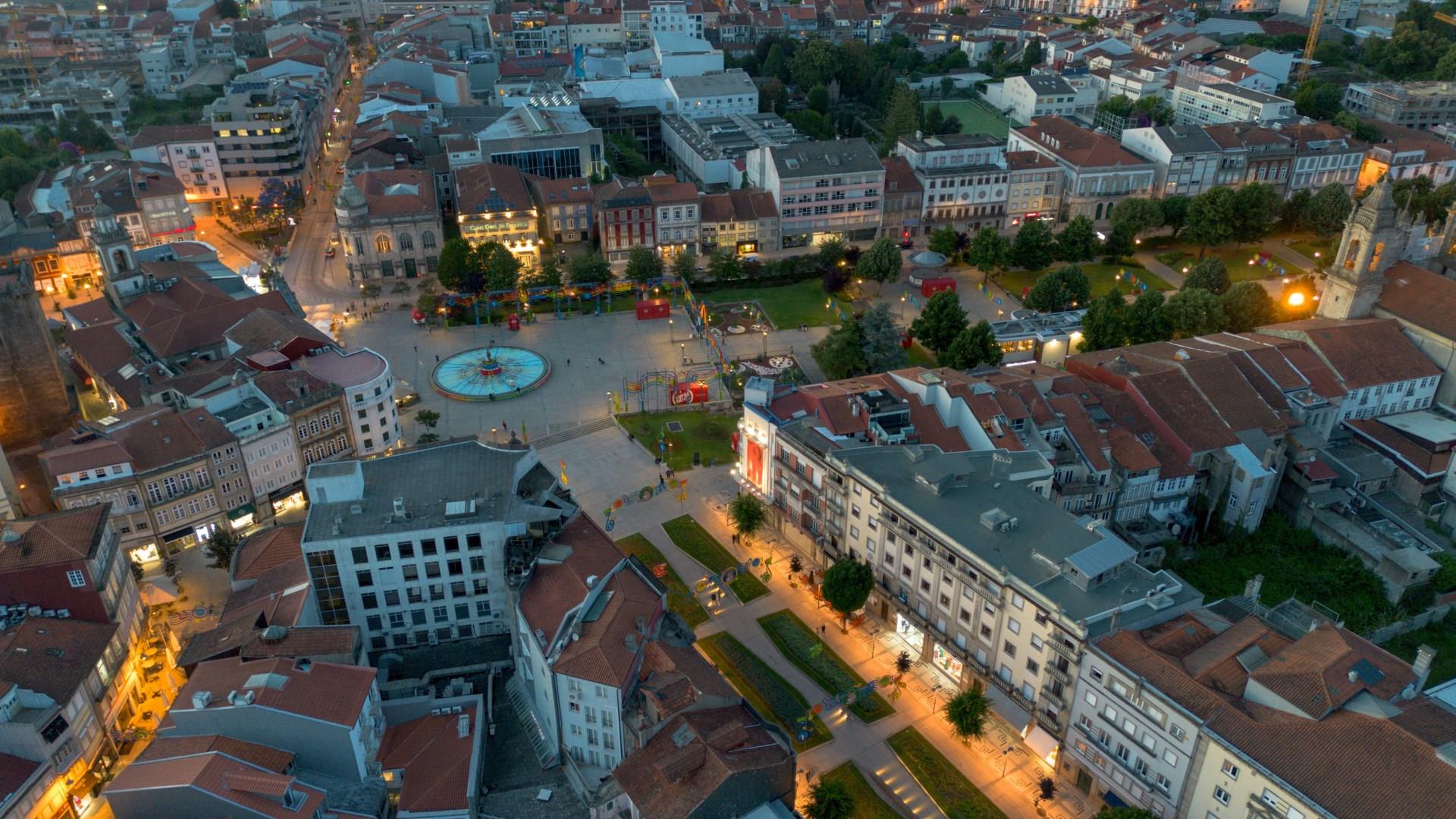
Braga, one of Portugal’s oldest and most vibrant cities, blends deep religious heritage with a youthful, energetic spirit. Founded over two millennia ago by the Romans as Bracara Augusta, the city has long been a center of faith and culture, earning it the nickname “the Rome of Portugal.”
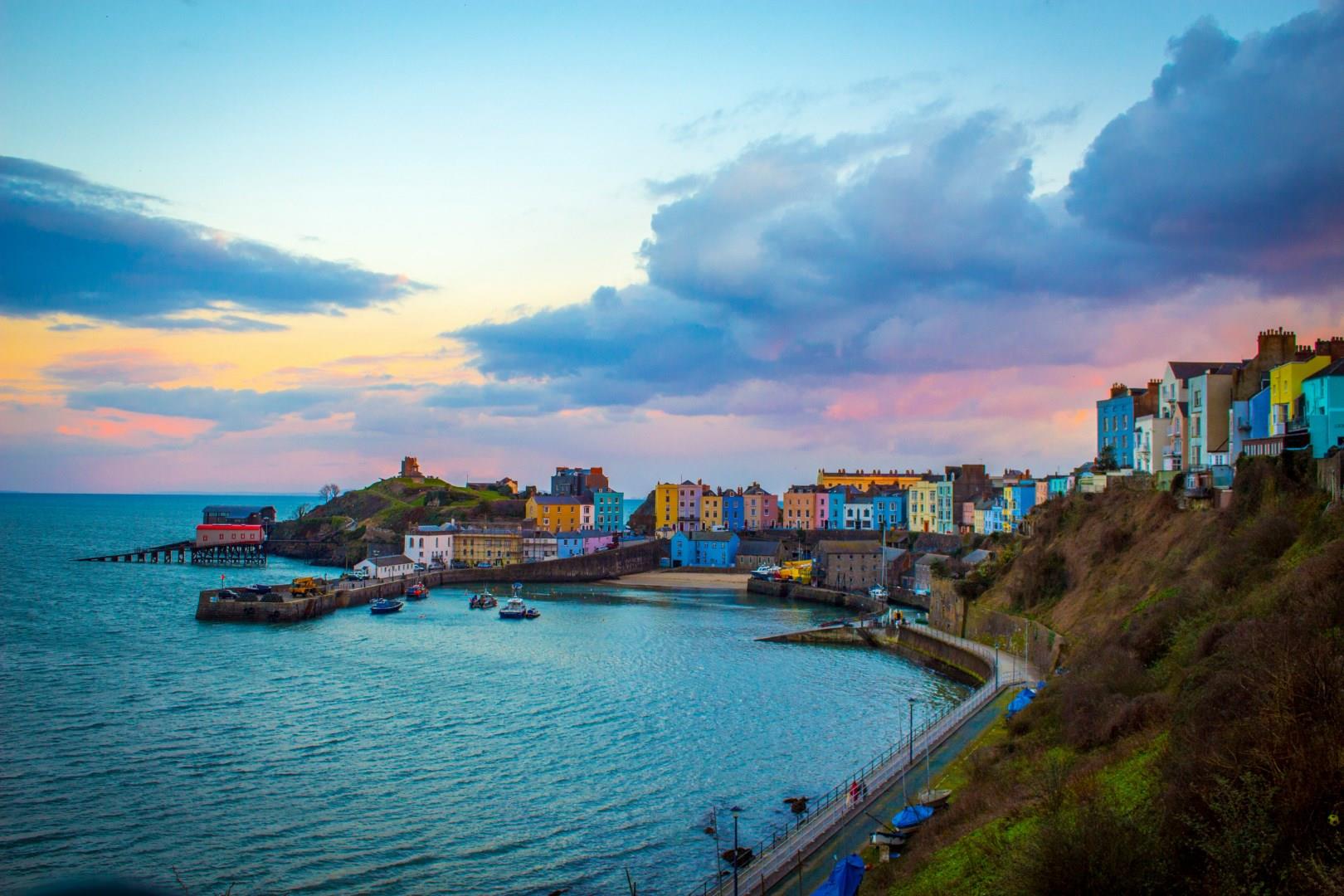
Tenby sits on the Pembrokeshire coast of southwest Wales, where medieval walls still encircle a compact town above the sea. Its history as a fortified port is visible in stone ramparts, narrow lanes, and the ruins of Tenby Castle, which overlook the harbor.
Fakarava, a hidden paradise in French Polynesia, is an ideal destination for those seeking unspoiled natural beauty and adventure. This atoll, part of the Tuamotu Archipelago, is known for its pristine coral reefs and crystal-clear lagoons.
The Volga River is an emblematic waterway that meanders through the heart of Russia, offering an exceptional journey through the country’s rich cultural and historical tapestry. As Europe’s longest river, stretching approximately 3,530 kilometers (2,194 miles), the Volga flows from the Valdai Hills to the Caspian Sea, weaving through major cities such as Tver, Nizhny Novgorod, and Volgograd. This grand river is not only vital for transportation and trade but also a central feature in Russia's cultural heritage.
Cruising along the Volga provides a unique vantage point to experience Russia's diverse landscapes and architectural marvels. The Volga River Cruises are particularly popular, offering travelers an opportunity to explore historic cities and picturesque countryside from the comfort of a riverboat. Highlights include the historic city of Kazan, with its stunning Kazan Kremlin, and Volgograd, known for its monumental Motherland Calls statue, which commemorates the fierce Battle of Stalingrad during World War II.
The river's significance is further underscored by its role in Russian folklore and literature. The Volga Boatmen's Song is a traditional Russian song that evokes the hardships and nostalgia of those who worked on the river. Additionally, the region is known for its vibrant festivals, such as the Volga Regatta, which celebrates the river's historical and cultural importance with rowing and boating events.
The Volga River is sometimes referred to as the “Mother Volga” because of its profound influence on Russian culture and its role in the livelihoods of countless communities along its banks. Its importance is reflected in the numerous cultural and historical sites that dot its course, making it a truly enchanting destination for those interested in exploring the depth of Russia's heritage.