
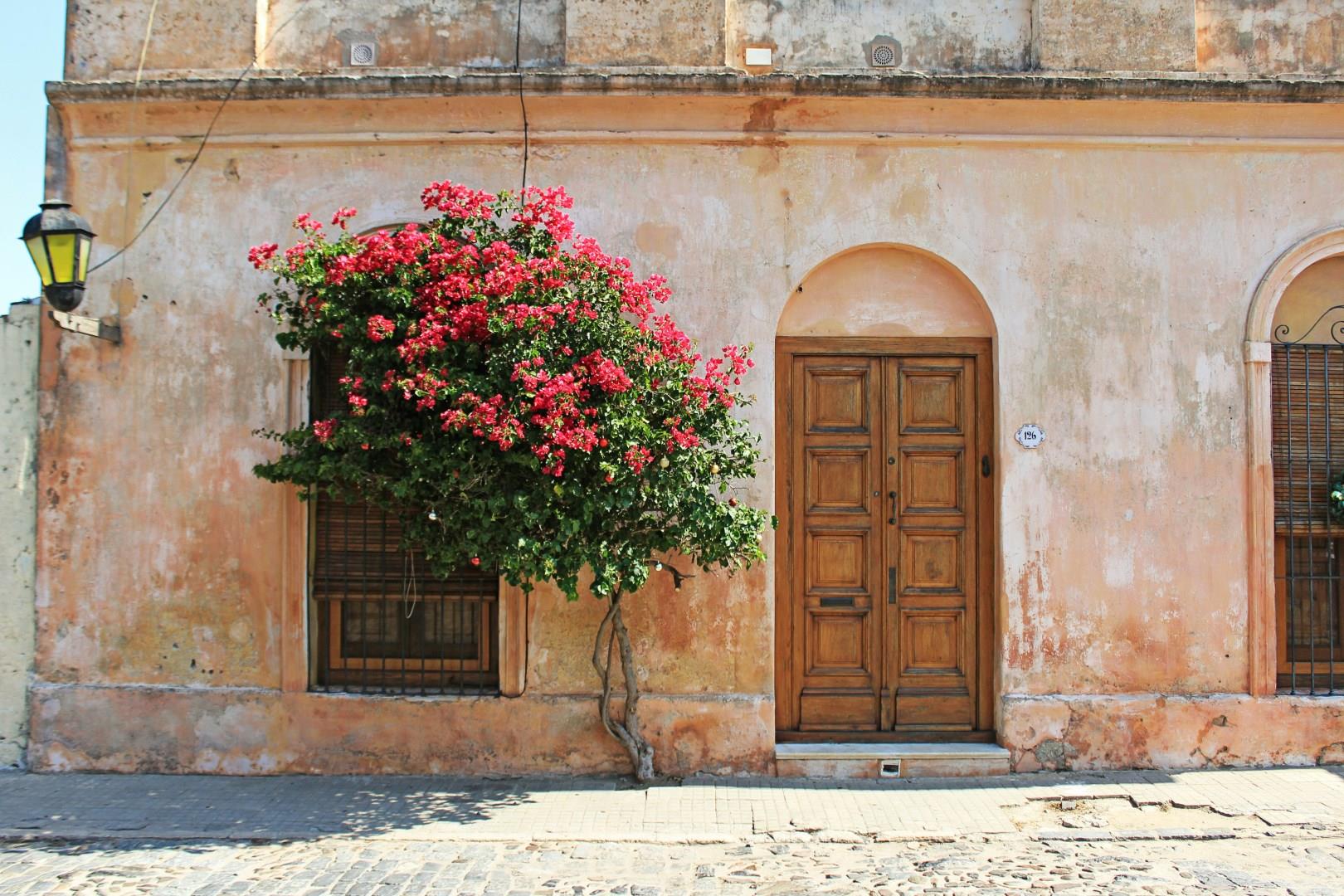
Colonia del Sacramento
Colonia del Sacramento is where time lingers. Founded in 1680 by the Portuguese and later contested by the Spanish, the town’s past is etched into its cobblestone streets and weathered facades. The Barrio Histórico, a UNESCO World Heritage Site, is compact enough to walk in an afternoon yet layered with centuries of stories. Visitors can explore remnants of the original city walls and climb the iconic lighthouse for sweeping views of the Río de la Plata.
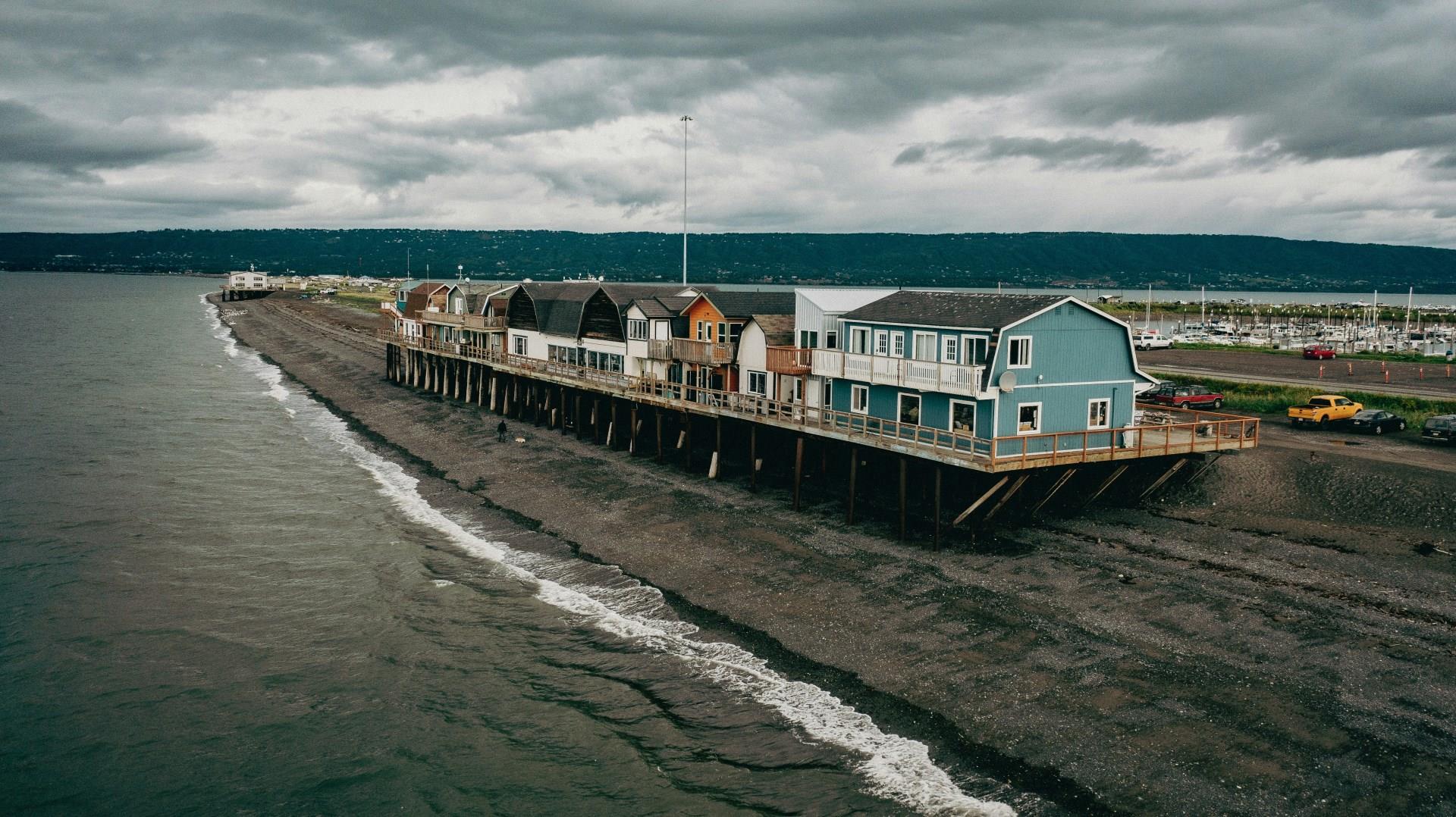
Homer
Homer, Alaska, sits at the end of the Kenai Peninsula and is often called the “end of the road,” where dramatic landscapes meet a vibrant small-town spirit. Overlooking Kachemak Bay, the town is framed by snowcapped mountains, glaciers, and a striking spit of land that juts four miles into the sea.

Valtice
Nestled in the wine-growing region of South Moravia, Valtice, Czech Republic, is a charming town known for its rich history and stunning architecture. The centerpiece of Valtice is the majestic Valtice Castle, a UNESCO World Heritage site that showcases an impressive Baroque façade and beautifully landscaped gardens.
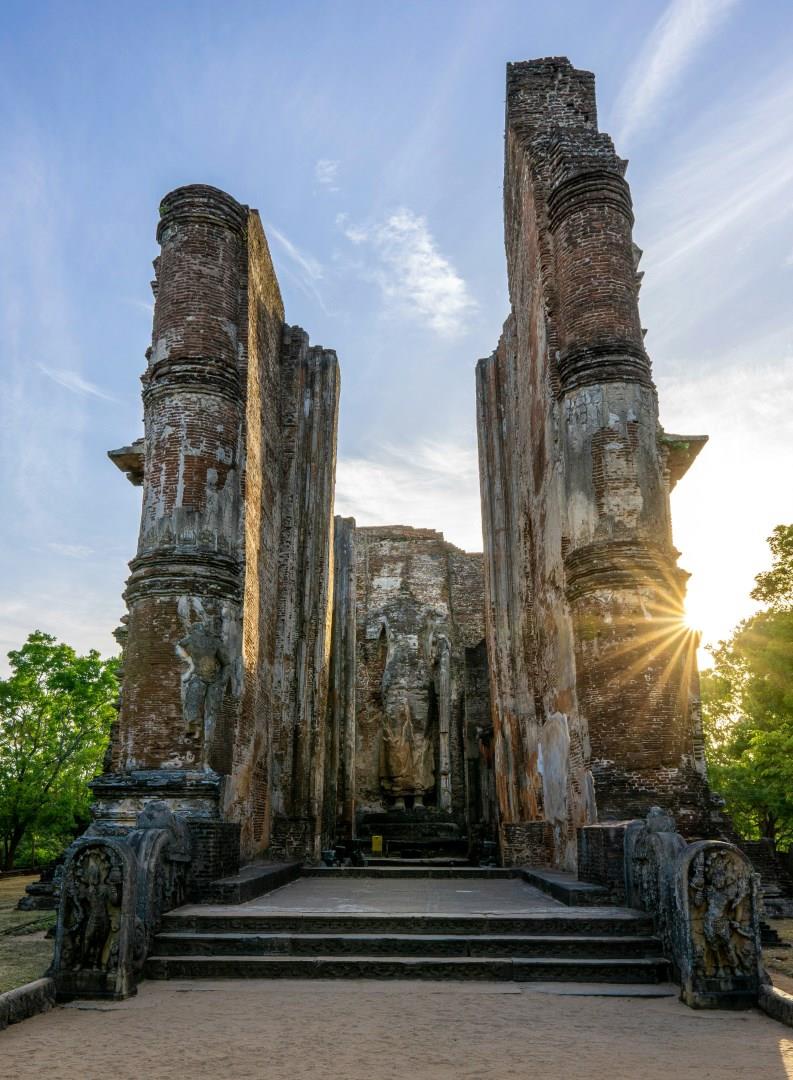
Polonnaruwa
Polonnaruwa, located in Sri Lanka’s North Central Province, served as the island’s capital nearly a thousand years ago. Today, it offers one of the most extensive and well-preserved archaeological sites in South Asia. Visitors can walk among the ruins of royal palaces, Buddhist monasteries, and intricately carved stone temples. One of the highlights of Polonnaruwa is the Gal Vihara, a group of colossal Buddha statues carved directly into granite.

Spain
Spain offers a wide range of experiences shaped by centuries of layered history and regional diversity. From the Moorish palaces of Andalusia to the Roman aqueduct in Segovia and the Gaudí-designed landmarks of Barcelona, each city reflects a different chapter in Spain’s past. In Granada, the Alhambra still stands as a masterpiece of Islamic architecture, with detailed carvings, hidden courtyards, and panoramic views of the Sierra Nevada mountains.


