
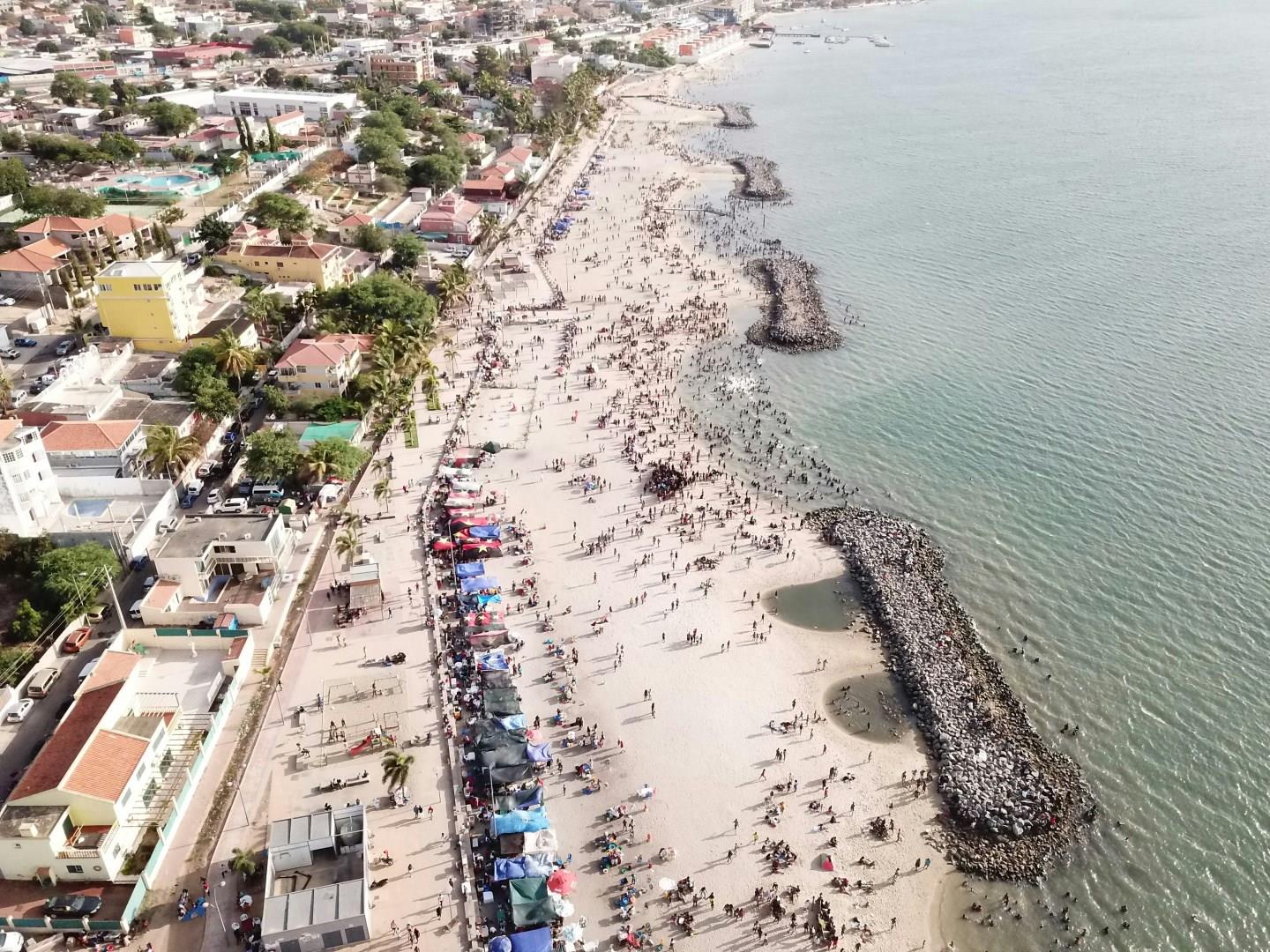
Luanada
Luanda, the vibrant capital of Angola, is the country's largest city and primary economic hub, known for its bustling energy and rich cultural scene. Modern Luanda is characterized by its dynamic growth and development. The city boasts an impressive skyline, including the Avenida 4 de Fevereiro, a major thoroughfare lined with modern high-rises and vibrant markets. The Baía de Luanda, a stunning bay area, offers beautiful waterfront promenades and opportunities for relaxation and leisure.

Whitsunday Island
The Whitsunday Islands sit in the heart of Australia’s Great Barrier Reef, where more than 70 islands rise from wide blue seas and offer an invitation to explore. Whitsunday Island itself is the largest of this group, known internationally for its ribbon of white silica sand stretching over seven kilometers at Whitehaven Beach. This sand feels cool underfoot even in warm sunshine because it’s made of nearly pure silica carried there by ancient ocean currents.
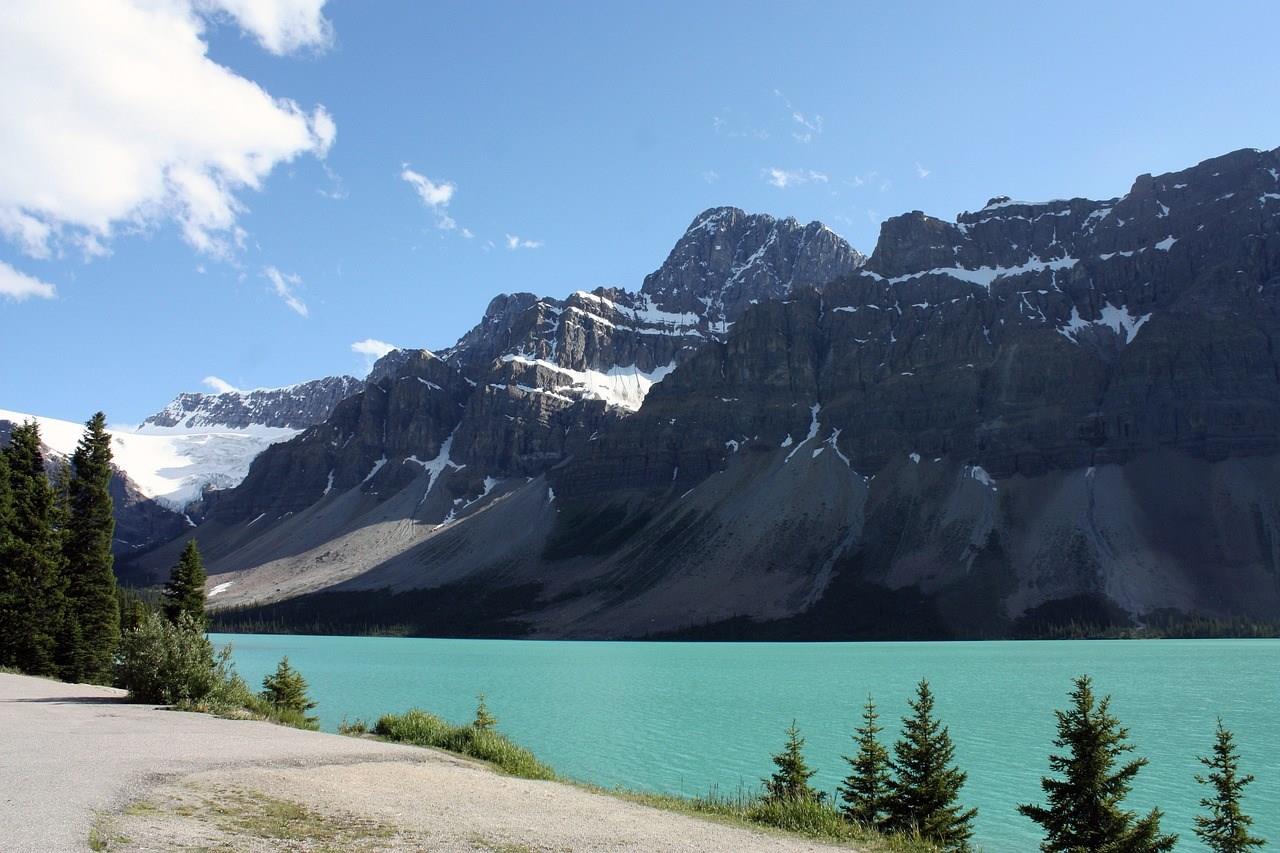
Jasper National Park
Jasper National Park, located in the heart of the Canadian Rockies in Alberta, is a breathtaking destination known for its stunning natural beauty and diverse wildlife. Spanning over 11,000 square kilometers, it is the largest national park in the Canadian Rockies and offers a wide range of outdoor activities such as hiking, camping, and wildlife viewing.

Zadar
Set on the Adriatic Sea, Zadar, Croatia, is a major Dalmatia historical center and a tourism magnet. Walk ancient streets, see Roman ruins and enjoy white-sand beaches.

Sacred Valley
The Sacred Valley, located in the Andes and divided by Urubamba River, was part of the larger Inca Empire, along with Machu Picchu and the closeby town of Cusco. Tourists will see green agricultural landscapes and Spanish hamlets like Ollantaytambo and Pisac, the latter featuring a Sunday market.


