La Fortuna
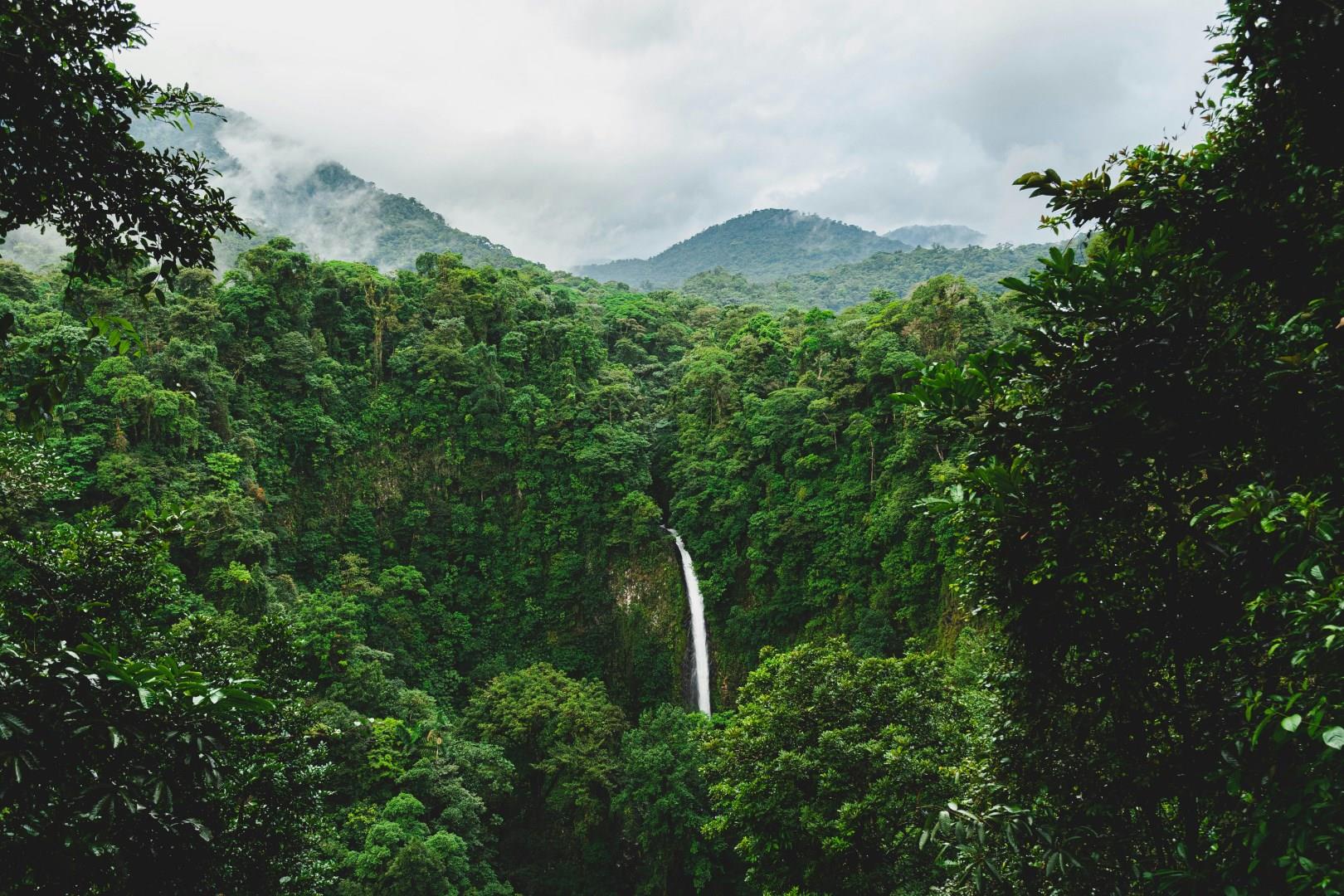
La Fortuna, a small town in northern Costa Rica, sits in the shadow of the iconic Arenal Volcano, once the country’s most active and still one of its most visually striking. The town’s name, which means “The Fortune,” is no coincidence; it was spared when Arenal erupted unexpectedly in 1968, reshaping the landscape and eventually drawing visitors from around the world. Today, La Fortuna is known for its lush rainforest, geothermal activity, and stunning scenery that feels both wild and welcoming
Moshi
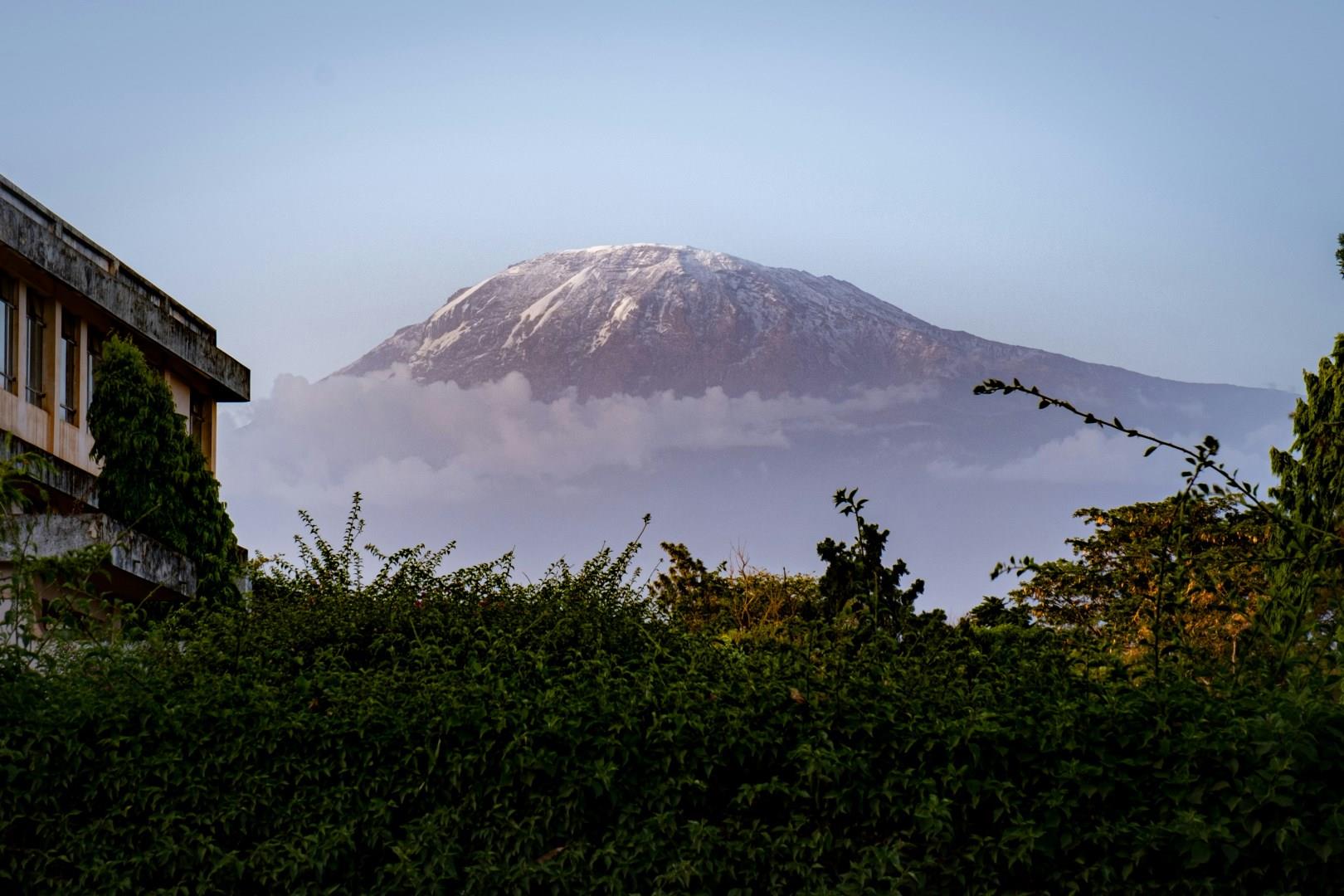
Moshi sits on the southern slopes of Mount Kilimanjaro in northern Tanzania, shaped by both Chagga culture and its role as a crossroads for trade and travel.

Rhone River
The Rhône River, flowing through the heart of France and into Switzerland, offers a captivating journey through one of Europe's most scenic and historically rich regions. Originating in the Swiss Alps, this majestic river winds its way southward, carving its path through picturesque landscapes, including the iconic lavender fields of Provence and the lush vineyards of the Rhône Valley.

Ionian Sea
The Ionian Sea, a stretch of the Mediterranean nestled between Italy and Greece, offers a captivating blend of azure waters, picturesque islands, and rich history. The sea is framed by Italy's western coast and Greece's western islands, including Corfu, Kefalonia, and Zakynthos. These islands provide a gateway to some of the most stunning landscapes in the region, from the rugged cliffs of Zakynthos to the lush greenery of Kefalonia.
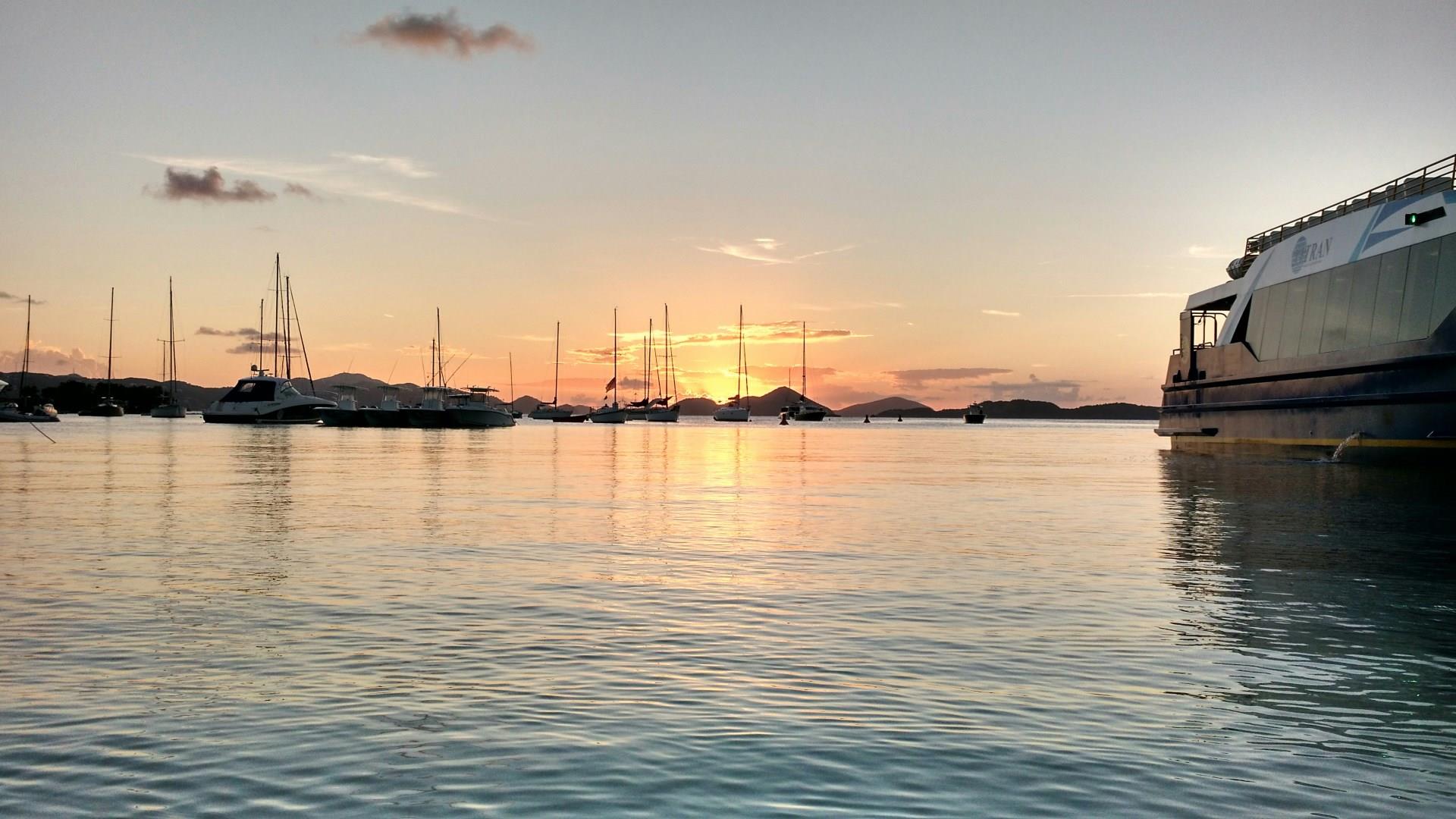
Cruz Bay
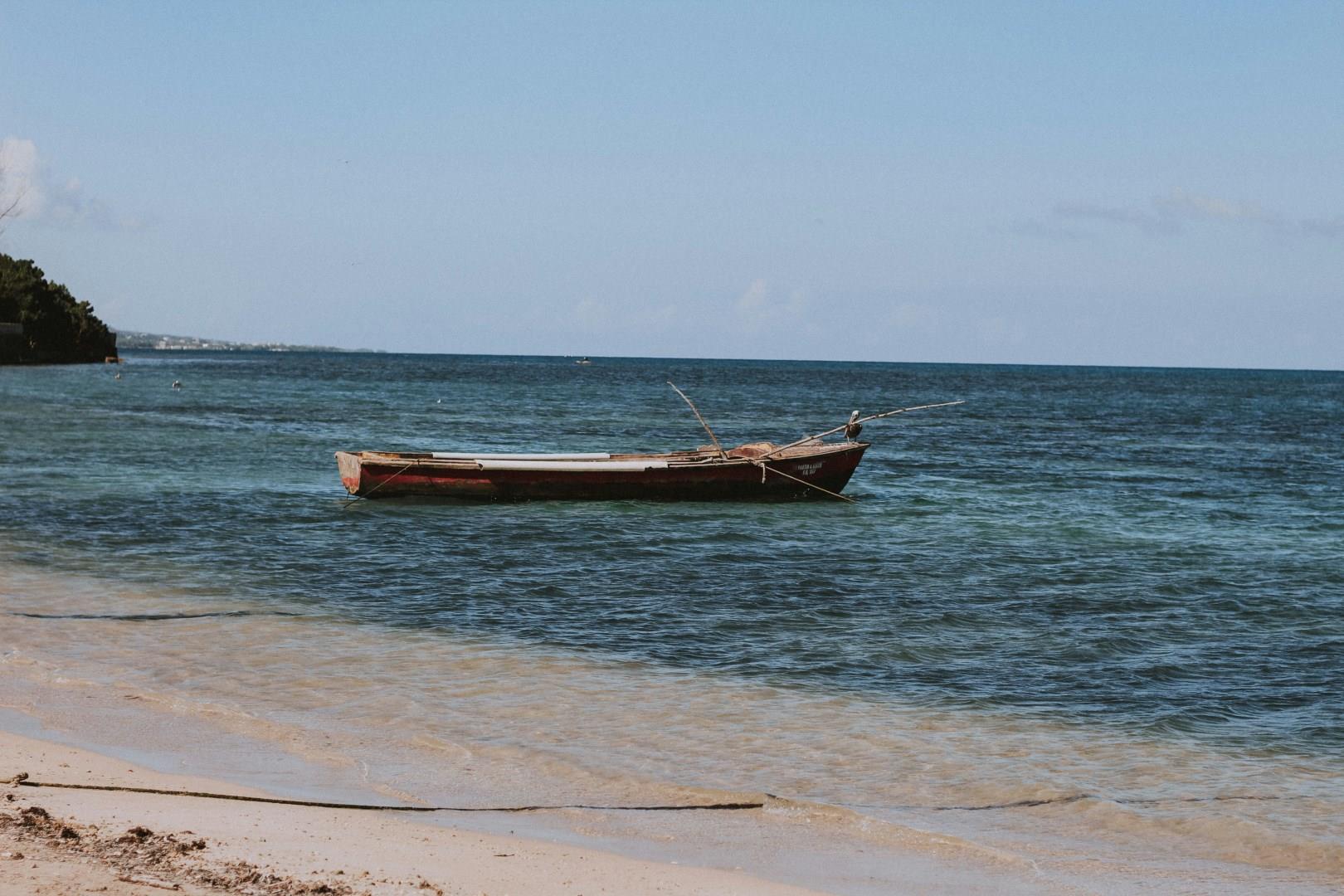
Cruz Bay is the welcoming gateway to St. John in the U.S. Virgin Islands, where vibrant Caribbean life meets rich island history. Stepping off the ferry from nearby St. Thomas, visitors find themselves in a lively waterfront town filled with cafés, bars and boutiques that lead toward sandy streets and shimmering views of the bay. This small town is also home to the Cruz Bay Visitor Center, a helpful place to start planning outings into Virgin Islands National Park and to learn about the island.