

K’gari
Fraser Island, or K’gari as it is known to its Traditional Owners, the Butchulla people, is a gem off the coast of Queensland, Australia. The world's largest sand island, stretching over 120 kilometers, is a place where nature dazzles and adventure beckons. Renowned for its unique ecosystems, Fraser Island offers a diverse landscape of lush rainforests growing on sand, crystal-clear freshwater lakes, and expansive sand dunes.

Sidi Bou Said
Perched on a clifftop overlooking the Mediterranean Sea, Sidi Bou Said is a postcard-perfect village in Tunisia that enchants visitors with its striking white and blue architecture. Known for its iconic Andalusian-style buildings, Sidi Bou Said is a haven for artists, poets, and those seeking tranquility. Strolling through its narrow cobblestone streets, you’ll be greeted by the scent of jasmine and the vibrant colors of bougainvillea cascading from balconies.
Izamal
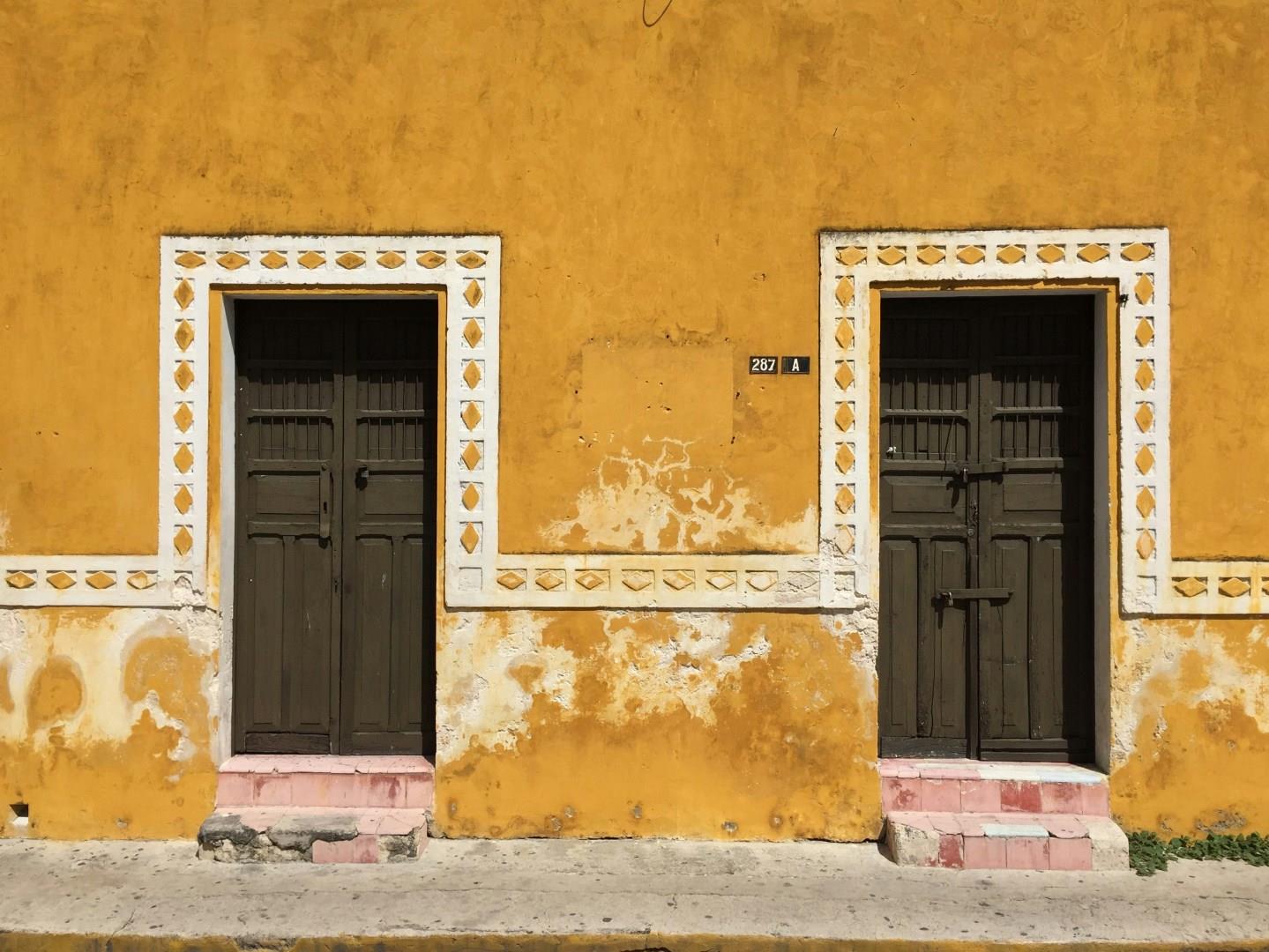
Izamal, located in the heart of Yucatán, stands out as a city where centuries of history are layered in plain sight. Known as the “City of Three Cultures,” it combines ancient Maya ruins, Spanish colonial architecture, and modern-day Yucatecan life. One of the most striking features of Izamal is its golden-yellow buildings, painted this distinctive color in honor of Pope John Paul II’s visit in 1993.

Rousse
Rousse, Bulgaria, often referred to as "Little Vienna," sits gracefully on the banks of the Danube River. Known for its rich history, stunning architecture, and vibrant culture, Rousse offers a glimpse into Bulgaria's past while embracing the future. The city's central square, Svoboda (Freedom) Square, is a great starting point for exploring.
Windsor
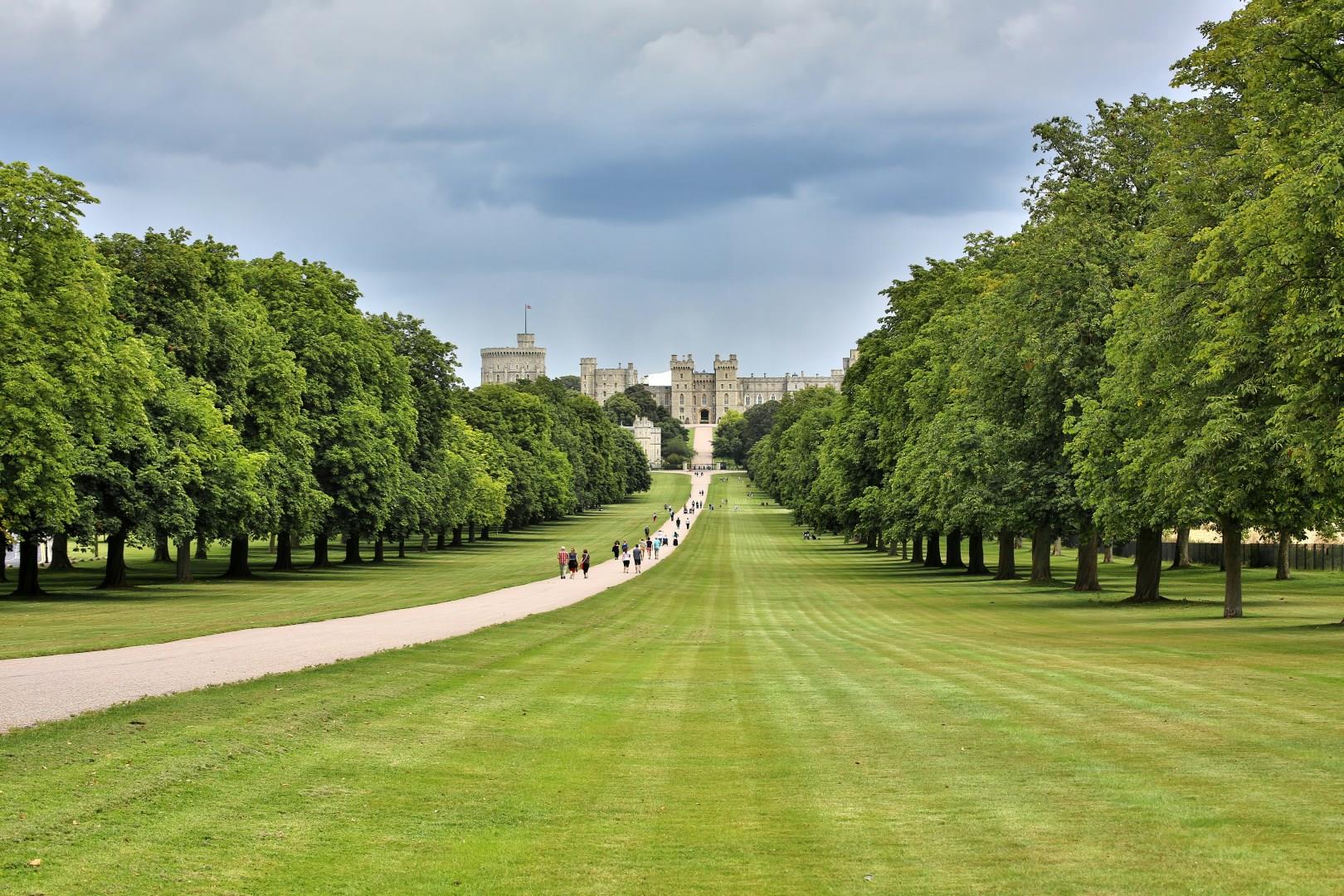
Windsor sits along a bend in the River Thames, its identity shaped by nearly a thousand years of royal presence. Windsor Castle, the world’s oldest continuously inhabited royal residence, dominates the town and anchors its historical significance, but the surrounding streets and parks reveal a place that has long supported court life, trade, and everyday routines alongside ceremony.


