Agrigento, located on the southern coast of Sicily, is a city steeped in history and renowned for its ancient Greek ruins. The crown jewel of Agrigento is the Valley of the Temples, a UNESCO World Heritage Site and one of the most spectacular archaeological sites in the Mediterranean. Visitors can marvel at the remarkably preserved Temple of Concordia, which dates back to the 5th century BC and is considered one of the best-preserved Greek temples in the world.
Dominica, known as the “Nature Island of the Caribbean,” is a haven for eco-tourists and adventure seekers. Nestled between the French islands of Guadeloupe and Martinique, this lush island boasts a remarkable landscape of volcanic mountains, dense rainforests, and stunning waterfalls. Dominica’s most iconic natural wonder is the Boiling Lake, the second-largest hot spring in the world.
Bastia, located on the northeastern coast of Corsica, is a city where coastal scenery and centuries of history meet at every turn. Overlooking the Tyrrhenian Sea, it serves as the island’s main port and a lively gateway for travelers arriving by ferry. Its old harbor, Vieux Port, is a highlight lined with tall, weathered houses in soft, faded colors, fishing boats bobbing in the water, and waterfront cafés that capture the steady rhythm of local life.
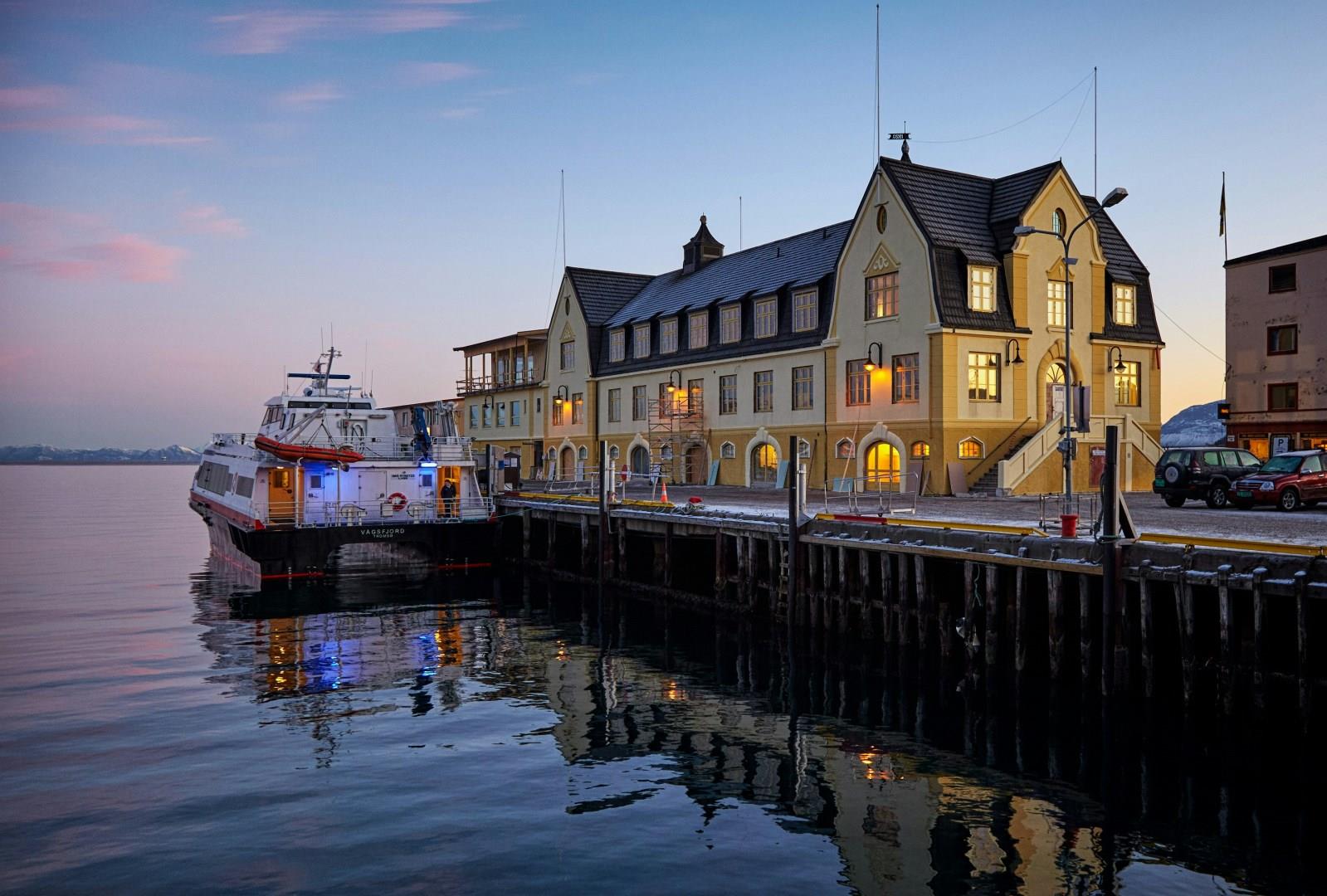
Algiers, Algeria’s capital, is a city where centuries of history unfold along the shores of the Mediterranean. Known as “El Bahdja,” or “The Joyful,” Algiers blends striking buildings, seaside breezes, and layered stories. One of its most iconic landmarks is the Casbah, a UNESCO World Heritage site with maze-like alleyways, Ottoman-era palaces, and hidden terraces overlooking the bay. The Grand Post Office, with its striking facade and intricate neo-Moorish details, anchors the city’s downtown.
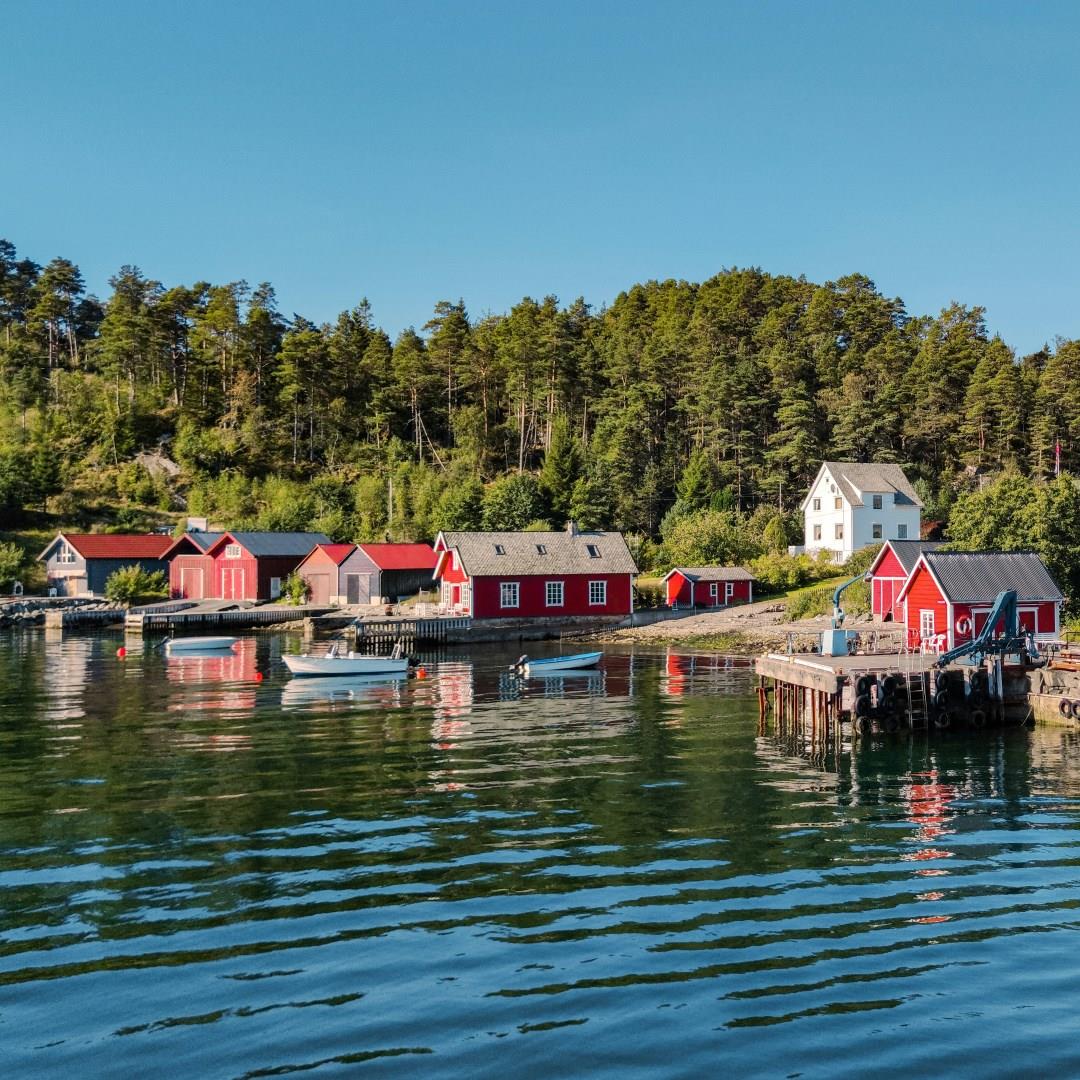
Bornholm, a picturesque Danish island in the Baltic Sea, offers a unique blend of natural beauty and cultural charm. Renowned for its rugged coastline and charming villages, Bornholm is a haven for outdoor enthusiasts. The island's northern coast is particularly famous for its dramatic cliffs and clear waters, perfect for hiking and cycling.
Discover the charm and history of Krems, Austria, a city nestled along the picturesque Danube River and the gateway to the enchanting Wachau Valley. With origins dating back to Roman times, Krems is a treasure trove of historical and cultural wonders. Explore the Krems Old Town, where you’ll find well-preserved medieval architecture, including the iconic Steiner Tor and the Gothic Church of St. Veit. The city's charming streets and historic buildings offer a glimpse into its rich past.
Krems is also renowned for its vibrant wine culture, set against the backdrop of the Wachau Valley. The valley is a UNESCO World Heritage site, celebrated for its terraced vineyards and scenic beauty. Indulge in the local wines by visiting the Krems Wine Museum, or take a leisurely stroll through the vineyards to experience the region's renowned Grüner Veltliner, a staple of Austrian viticulture.
Art and culture thrive in Krems, with institutions such as the Kunsthalle Krems showcasing contemporary art from around the globe. The Karikaturmuseum Krems offers a unique look at caricature and satire, providing a fun and engaging experience for visitors. The city’s Kunstmeile Krems cultural mile links several key cultural venues, making it a must-visit for art enthusiasts.
Slogan: "Krems: Where History Meets the Vine."
Fun Fact: Krems is located in the Wachau Valley, a region so picturesque that it has been declared a UNESCO World Heritage site, renowned for its medieval castles and stunning landscapes.
Visit Krems between May and September to enjoy the best of the city's festivals, wine harvests, and pleasant weather, perfect for exploring its historical sites and scenic surroundings.