Pompeii, Italy, is a mesmerizing time capsule that invites travelers to step back into the world of ancient Rome. Once a thriving city, Pompeii was abruptly buried under volcanic ash and pumice following the catastrophic eruption of Mount Vesuvius in 79 AD. This tragic event preserved the city in remarkable detail, allowing visitors today to walk the cobbled streets and witness a snapshot of Roman life, from grand villas and bathhouses to bakeries and amphitheaters.
Considered a hub for the world’s information technology industry, India is a major player in the global economy, and its cosmopolitan cities, including Delhi and Mumbai, offer a mosaic of modern and historic architectural styles for locals and visitors alike to enjoy.
Oviedo, the capital of Asturias in northern Spain, offers a rare mix of medieval heritage and everyday life that feels rooted rather than staged. The city’s historic center is home to some of the oldest pre-Romanesque buildings in Europe, including the UNESCO-listed Santa María del Naranco and San Miguel de Lillo. Cider, not wine, defines the local table. Oviedo is surrounded by apple orchards, and the traditional drink, sidra natural, is poured from a height by skilled escanciadores.
Port Moresby sits by the Coral Sea as Papua New Guinea’s capital and shows visitors a city of contrasts where glittering new buildings rise beside traditional villages built on stilts. One such place is Hanuabada, the original Motuan village, where roofs reach above water’s edge and everyday life still unfolds in Tok Pisin and local tongue.
Imatra, Finland, is a hidden gem nestled near the Russian border, known for its stunning natural beauty and rich history. A key draw is the Imatrankoski Rapids, one of Finland's oldest tourist attractions dating back to the 18th century. These powerful rapids, located on the Vuoksi River, have captivated visitors for centuries, including Russian nobility like Catherine the Great.
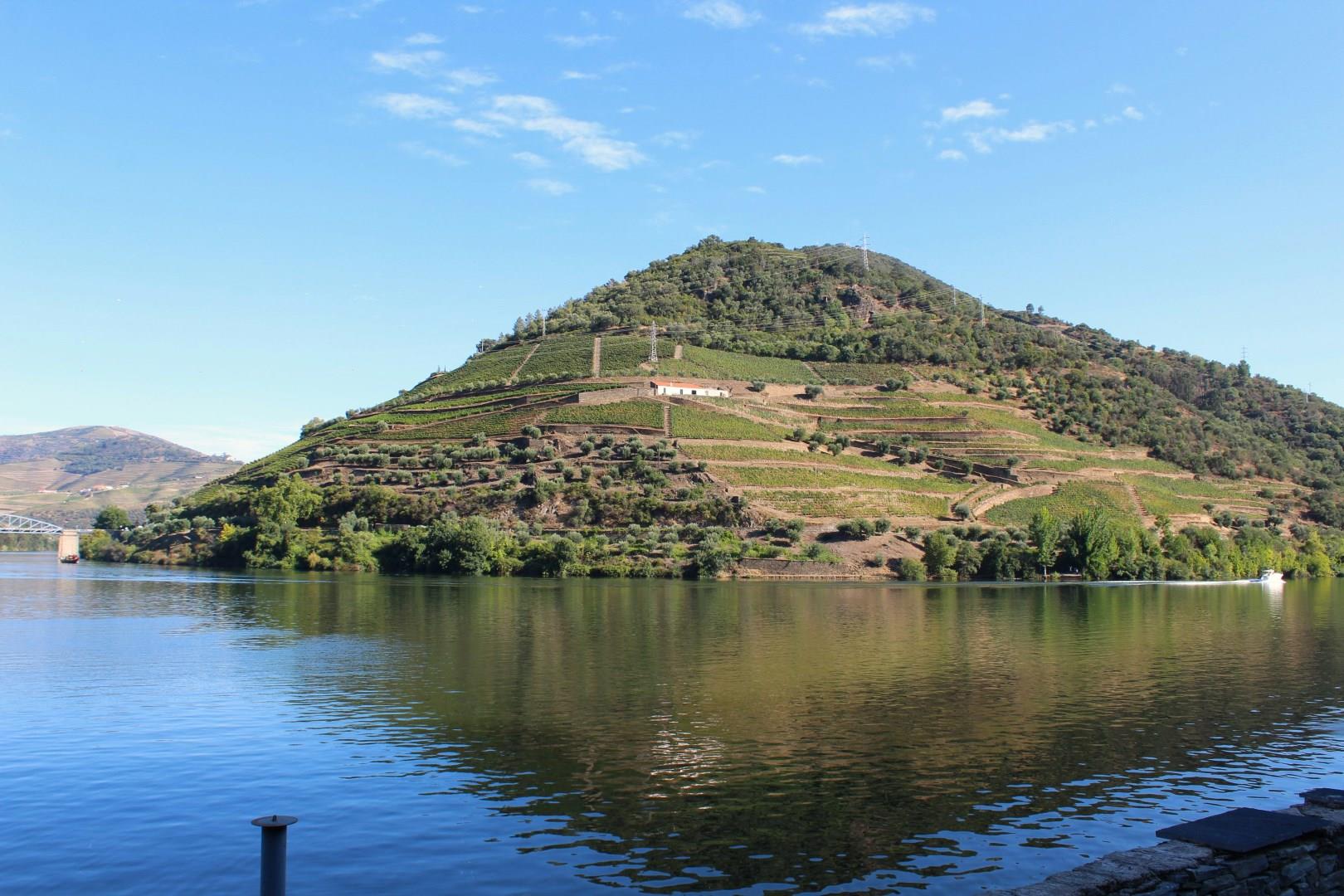
Pinhão, nestled in the heart of Portugal’s Douro Valley, is a small town with a big reputation for its world-renowned port wine and stunning landscapes. Surrounded by terraced vineyards that cascade down to the banks of the Douro River, Pinhão is a paradise for wine lovers and nature enthusiasts alike. The town is a key stop on the Douro Wine Route, where visitors can explore historic quintas (wine estates), sample exceptional vintages, and learn about the centuries-old winemaking traditions that have made the region a UNESCO World Heritage Site.
One of Pinhão’s most iconic attractions is its charming railway station, adorned with beautiful azulejos—traditional Portuguese tiles—that depict scenes of the local wine harvest and river life. The station is a gateway to some of the most scenic train journeys in Europe, offering panoramic views of the Douro Valley’s rugged cliffs and serene river as you travel along its winding tracks. A river cruise from Pinhão is another must-do, providing an unforgettable perspective of the valley’s dramatic landscapes and allowing you to experience the tranquility of this enchanting region.
In addition to its wine heritage, Pinhão offers visitors a taste of authentic Portuguese culture. The town’s quiet streets are dotted with family-run restaurants where you can savor regional dishes like bacalhau (salted cod) and the locally produced olive oil. The warm hospitality of the locals adds to the town’s charm, making every visitor feel like they’ve discovered a hidden gem. For those seeking outdoor adventure, the surrounding hills and vineyards offer excellent opportunities for hiking, with trails that lead to breathtaking viewpoints over the Douro River.
Pinhão invites you to "Sip, Savor, and Soak in the Beauty of the Douro Valley." Whether you’re exploring its historic wineries, enjoying a leisurely boat ride, or simply taking in the stunning scenery, Pinhão offers a serene and unforgettable escape into the heart of Portugal’s wine country.