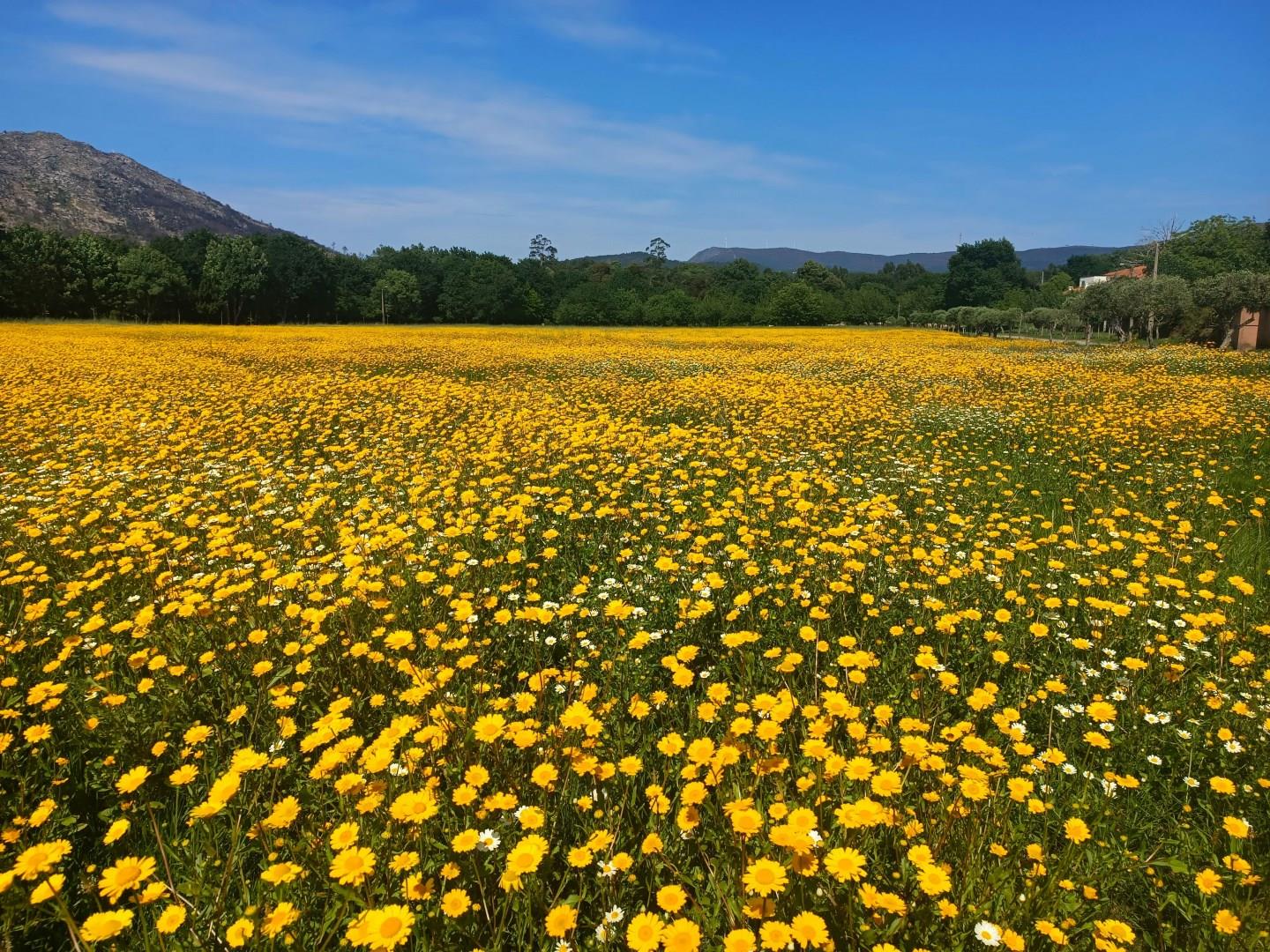
Caminha sits at Portugal’s northern edge, where the Minho River meets the Atlantic and marks the border with Spain. Its history is closely tied to defense and trade, visible in remnants of medieval walls and a compact historic center that once guarded the river mouth.
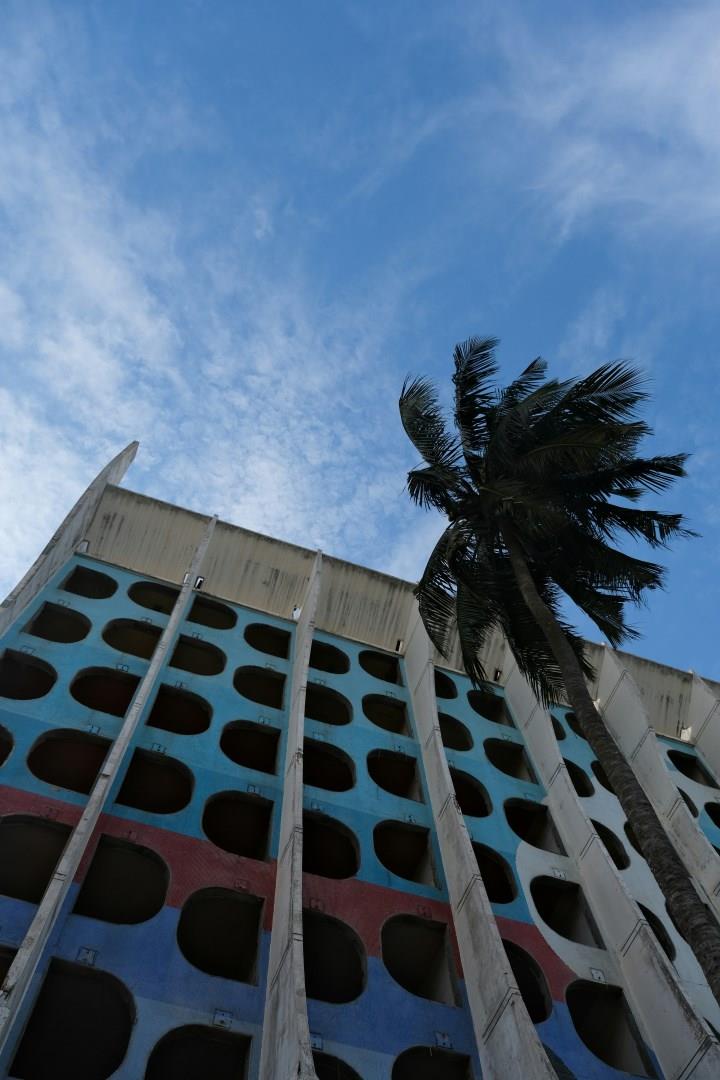
Lomé, the capital city of Togo, sits along the Gulf of Guinea and serves as both the political and cultural heart of the country. Lomé’s coastline features beaches where locals gather and where visitors can enjoy views of the Atlantic Ocean.
New Caledonia is an archipelago located in the south western part of the Pacific Ocean, and belongs to what is known as Melanesia. The mainland known as the "Grande Terre" is the principal island of New Caledonia and covers an area of 400 kms north to south and 50 kms west to east, with a total surface of 19 000 square meters. It is the third largest island in the South Pacific after New Guinea and New Zealand.
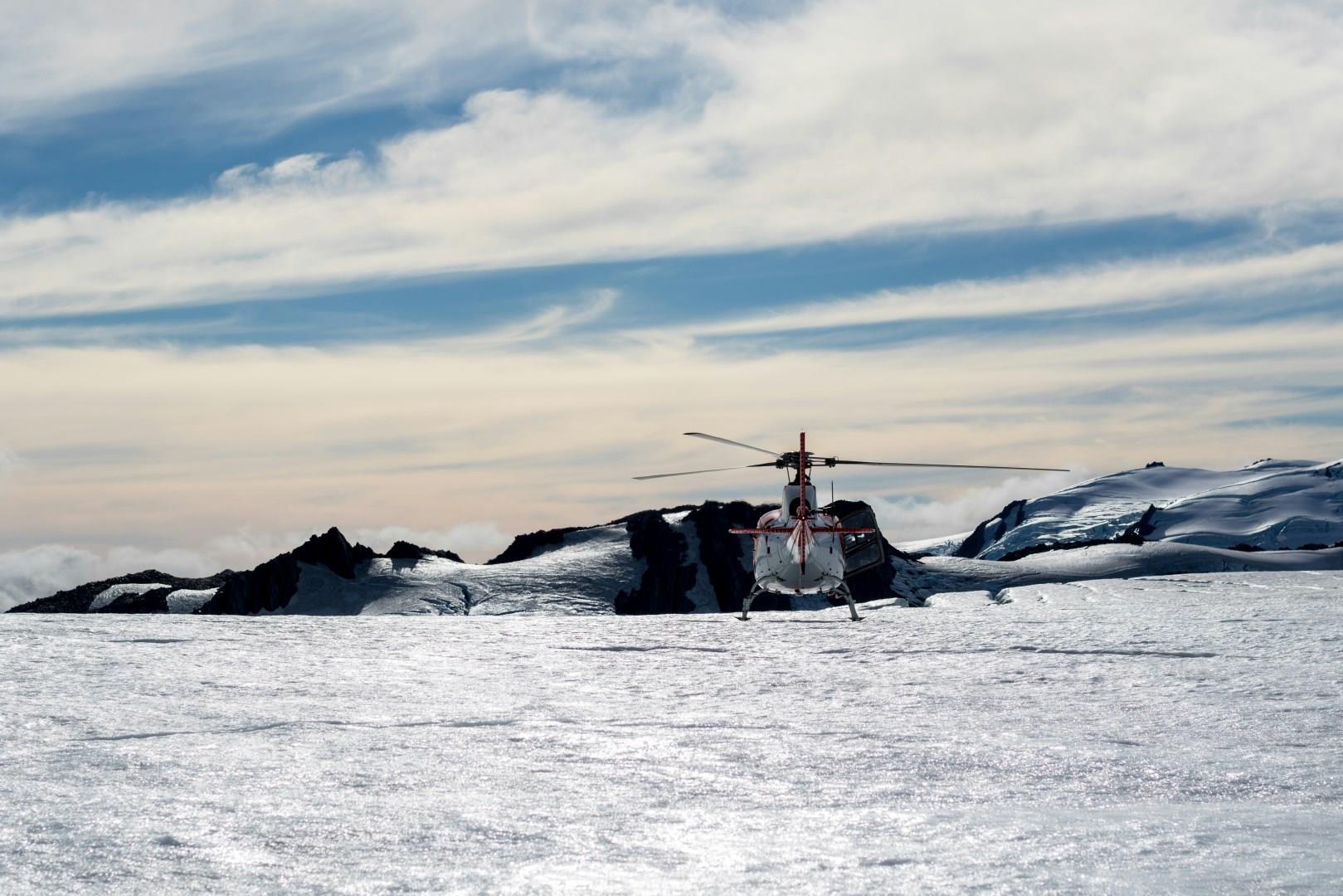
Fox Glacier, on New Zealand’s South Island, is one of the country’s most remarkable natural wonders, where icy landscapes meet lush rainforest. Named after Sir William Fox, a 19th-century Prime Minister of New Zealand, the glacier stretches from the high peaks of the Southern Alps down into temperate rainforest.
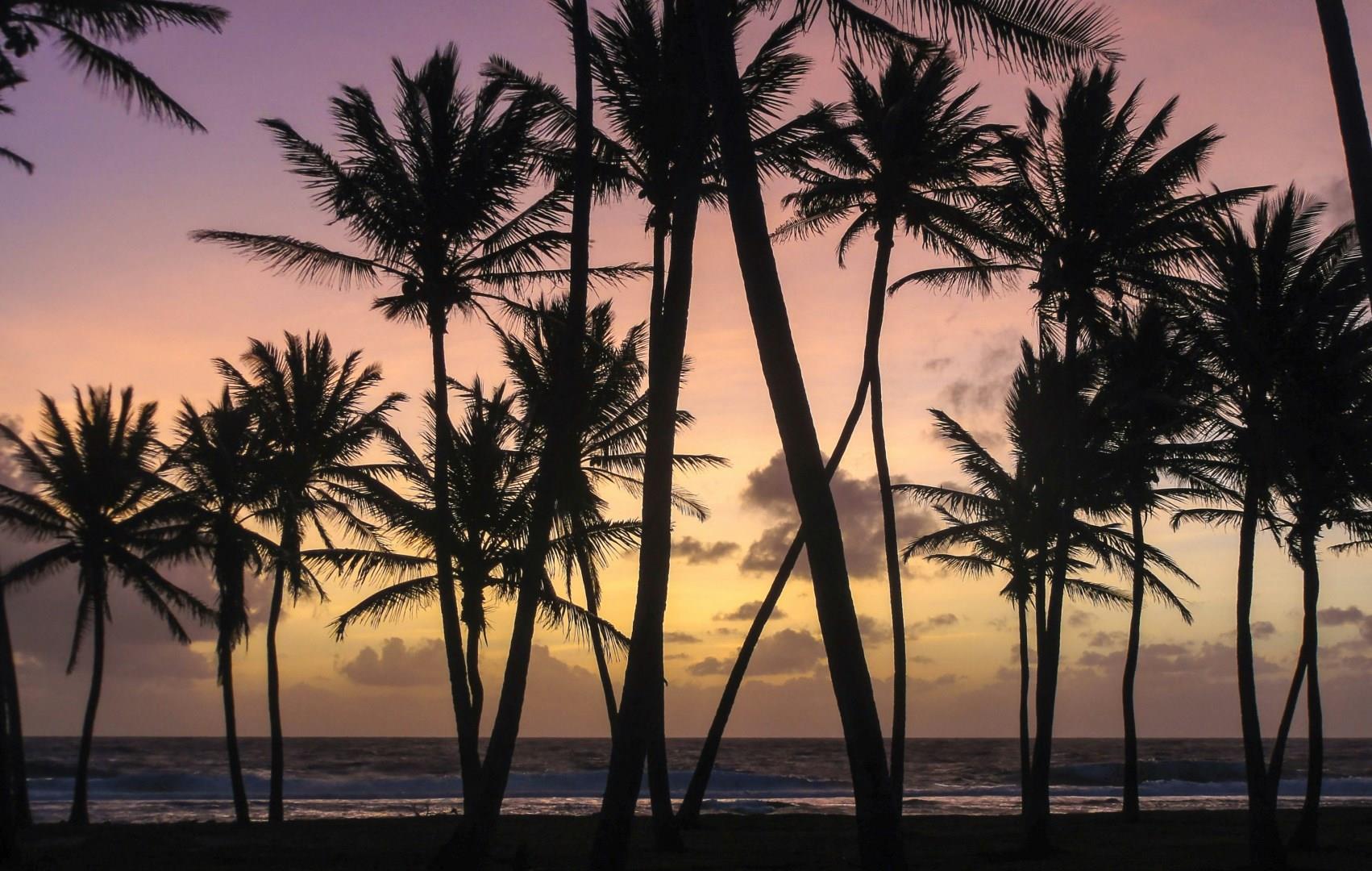
The Marshall Islands, a remote chain of atolls and islands in the central Pacific, invites travelers into a world where tradition, ocean life, and recent history all leave a lasting impression. Spread across nearly a million square miles of ocean, this independent nation offers rare access to some of the world’s most pristine marine environments.
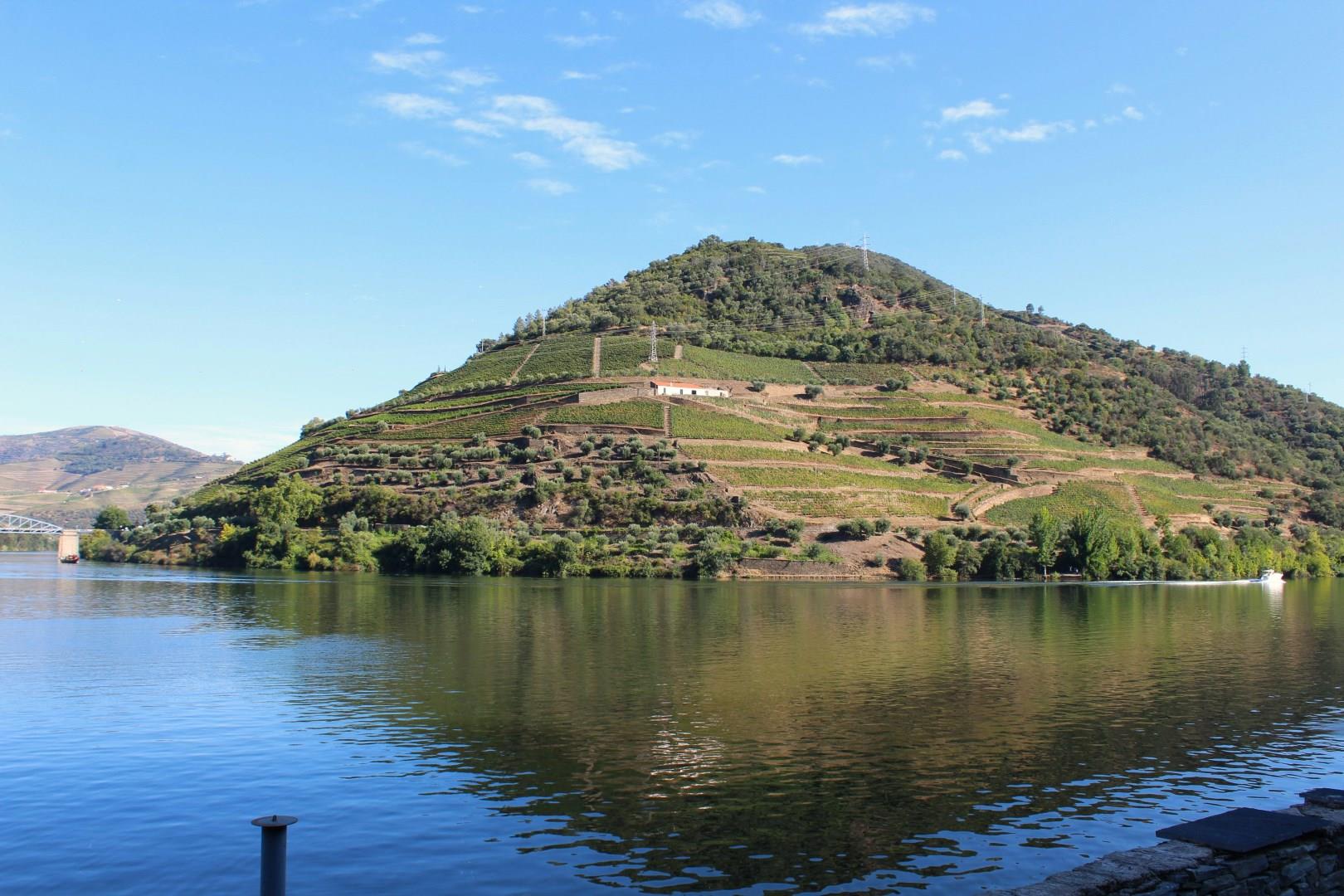
Pinhão, nestled in the heart of Portugal’s Douro Valley, is a small town with a big reputation for its world-renowned port wine and stunning landscapes. Surrounded by terraced vineyards that cascade down to the banks of the Douro River, Pinhão is a paradise for wine lovers and nature enthusiasts alike. The town is a key stop on the Douro Wine Route, where visitors can explore historic quintas (wine estates), sample exceptional vintages, and learn about the centuries-old winemaking traditions that have made the region a UNESCO World Heritage Site.
One of Pinhão’s most iconic attractions is its charming railway station, adorned with beautiful azulejos—traditional Portuguese tiles—that depict scenes of the local wine harvest and river life. The station is a gateway to some of the most scenic train journeys in Europe, offering panoramic views of the Douro Valley’s rugged cliffs and serene river as you travel along its winding tracks. A river cruise from Pinhão is another must-do, providing an unforgettable perspective of the valley’s dramatic landscapes and allowing you to experience the tranquility of this enchanting region.
In addition to its wine heritage, Pinhão offers visitors a taste of authentic Portuguese culture. The town’s quiet streets are dotted with family-run restaurants where you can savor regional dishes like bacalhau (salted cod) and the locally produced olive oil. The warm hospitality of the locals adds to the town’s charm, making every visitor feel like they’ve discovered a hidden gem. For those seeking outdoor adventure, the surrounding hills and vineyards offer excellent opportunities for hiking, with trails that lead to breathtaking viewpoints over the Douro River.
Pinhão invites you to "Sip, Savor, and Soak in the Beauty of the Douro Valley." Whether you’re exploring its historic wineries, enjoying a leisurely boat ride, or simply taking in the stunning scenery, Pinhão offers a serene and unforgettable escape into the heart of Portugal’s wine country.