

Aqaba
Red Sea beaches, world-class snorkeling and spectacular desert environments are all reasons to visit the port city of Aqaba, Jordan. Take a quick walk from the city's lovely waterfront promenade and behold its Old Town, which features the 14th century Mamluk Fort and the Aqaba Archaeological Museum.

Dominica
Dominica, known as the “Nature Island of the Caribbean,” is a haven for eco-tourists and adventure seekers. Nestled between the French islands of Guadeloupe and Martinique, this lush island boasts a remarkable landscape of volcanic mountains, dense rainforests, and stunning waterfalls. Dominica’s most iconic natural wonder is the Boiling Lake, the second-largest hot spring in the world.
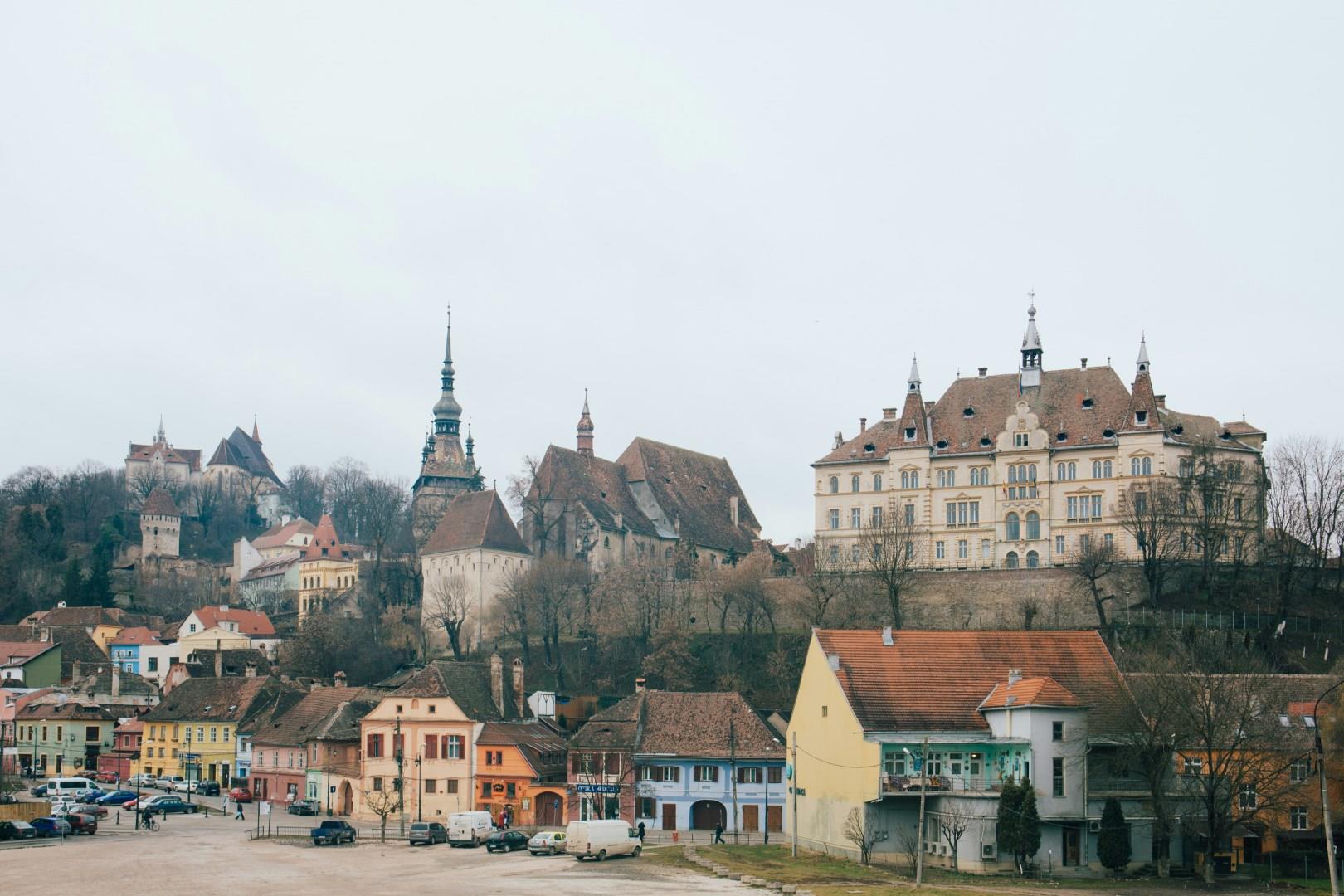
Sighisoara
Sighisoara rises above the Târnava Mare River as one of the few medieval citadels in Europe that is still lived in and admired today. Its historic center has been on the UNESCO World Heritage List since 1999, recognized for its long history as a fortified Saxon settlement and its role in trade and defense on the edges of central Europe. Wander through cobbled alleys framed by pastel-colored houses, and the layers of time feel close at hand, from the city walls and guild towers to busy cafés.
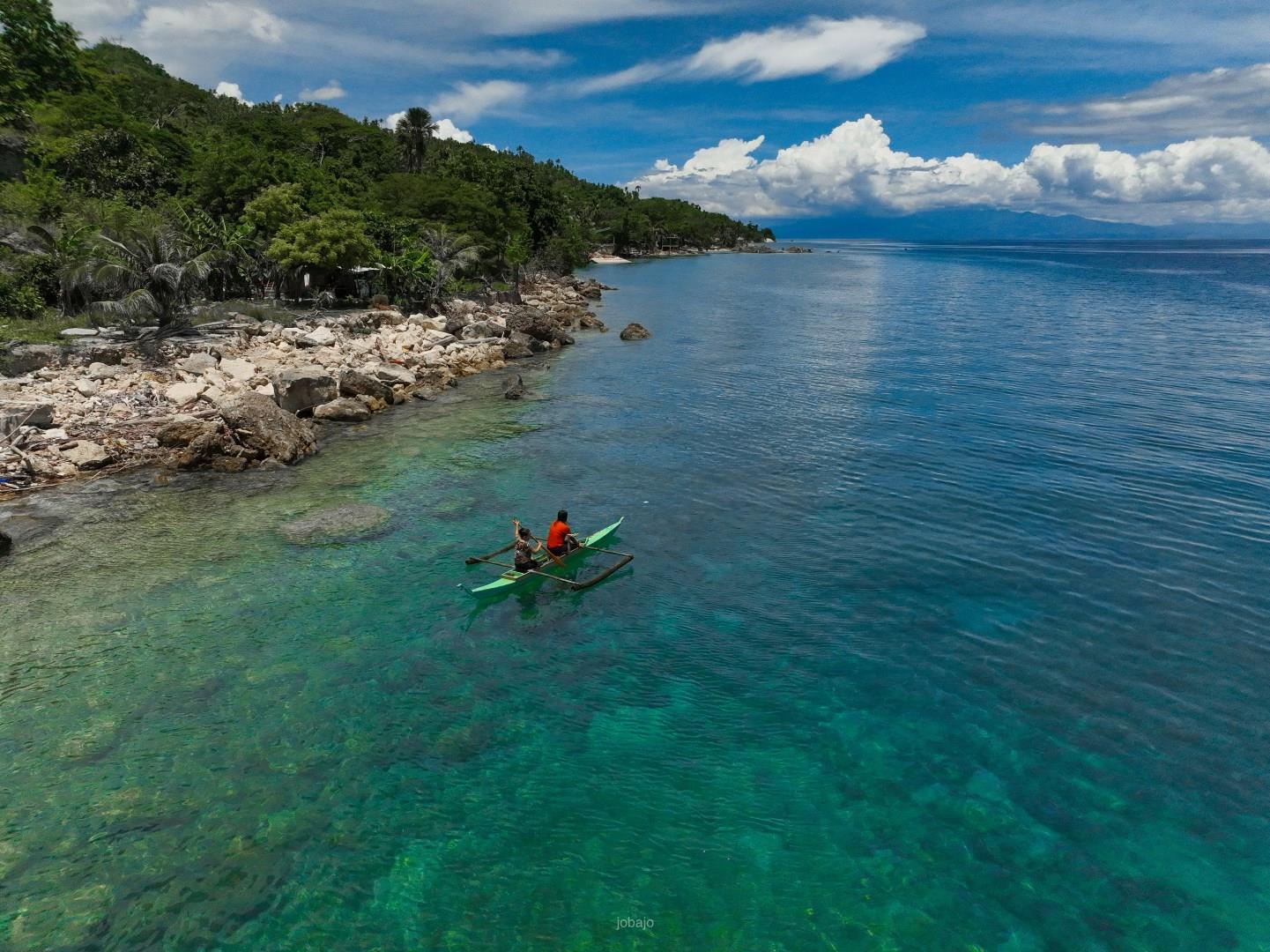
Cebu
Cebu sits at the center of the central Philippines, shaped by seafaring trade and early colonial contact. It was here that Spanish rule first took hold in the 16th century, leaving a legacy visible in churches, street patterns, and long-standing ties to Catholic tradition.

Virgin Gorda
Part of the British Virgin Islands, Virgin Gorda is an island in the Caribbean famous for The Baths National Park, whose natural geologic granite formations dot the island's beaches and create stunning tidal pools and grottoes.


