Zagreb
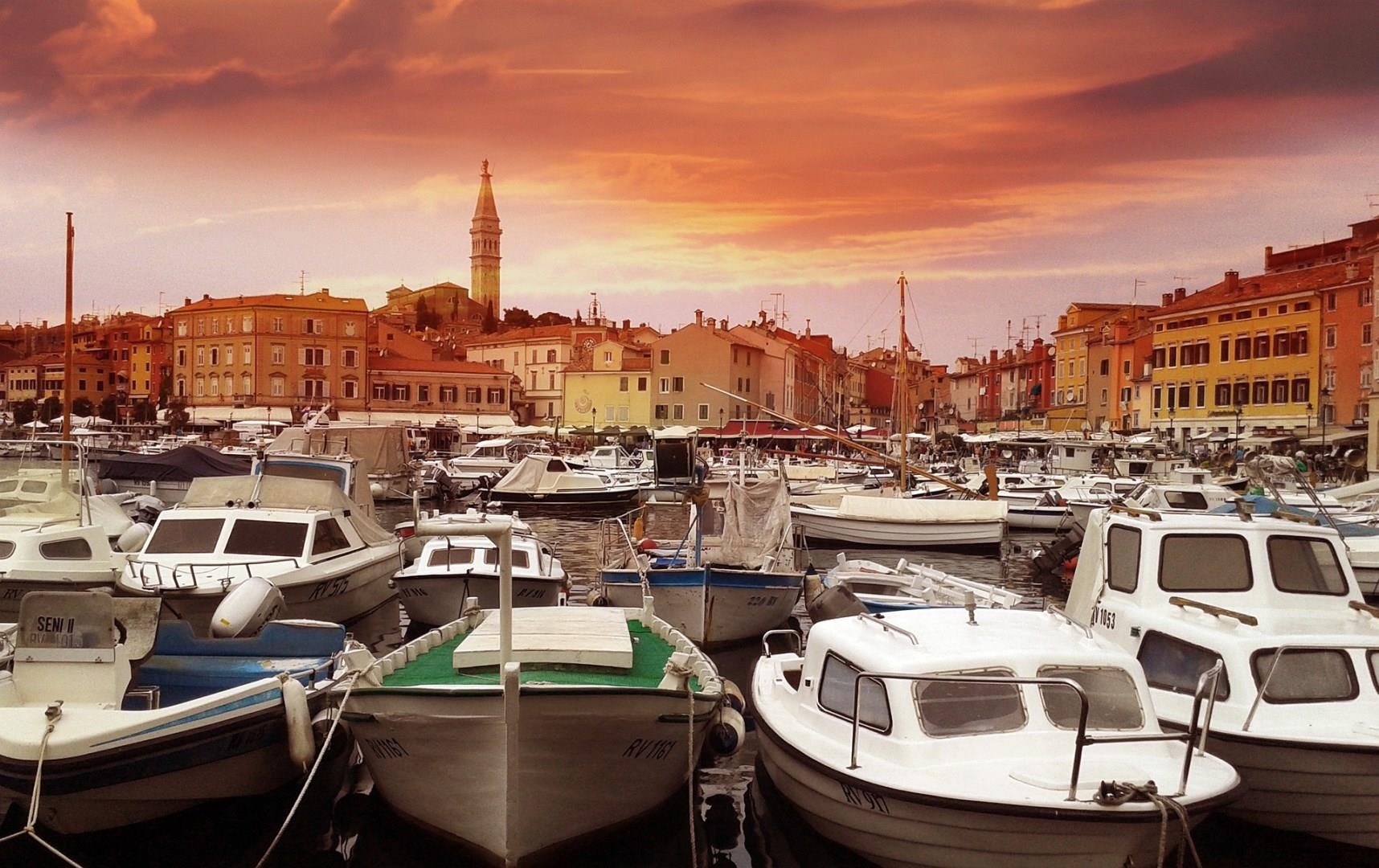
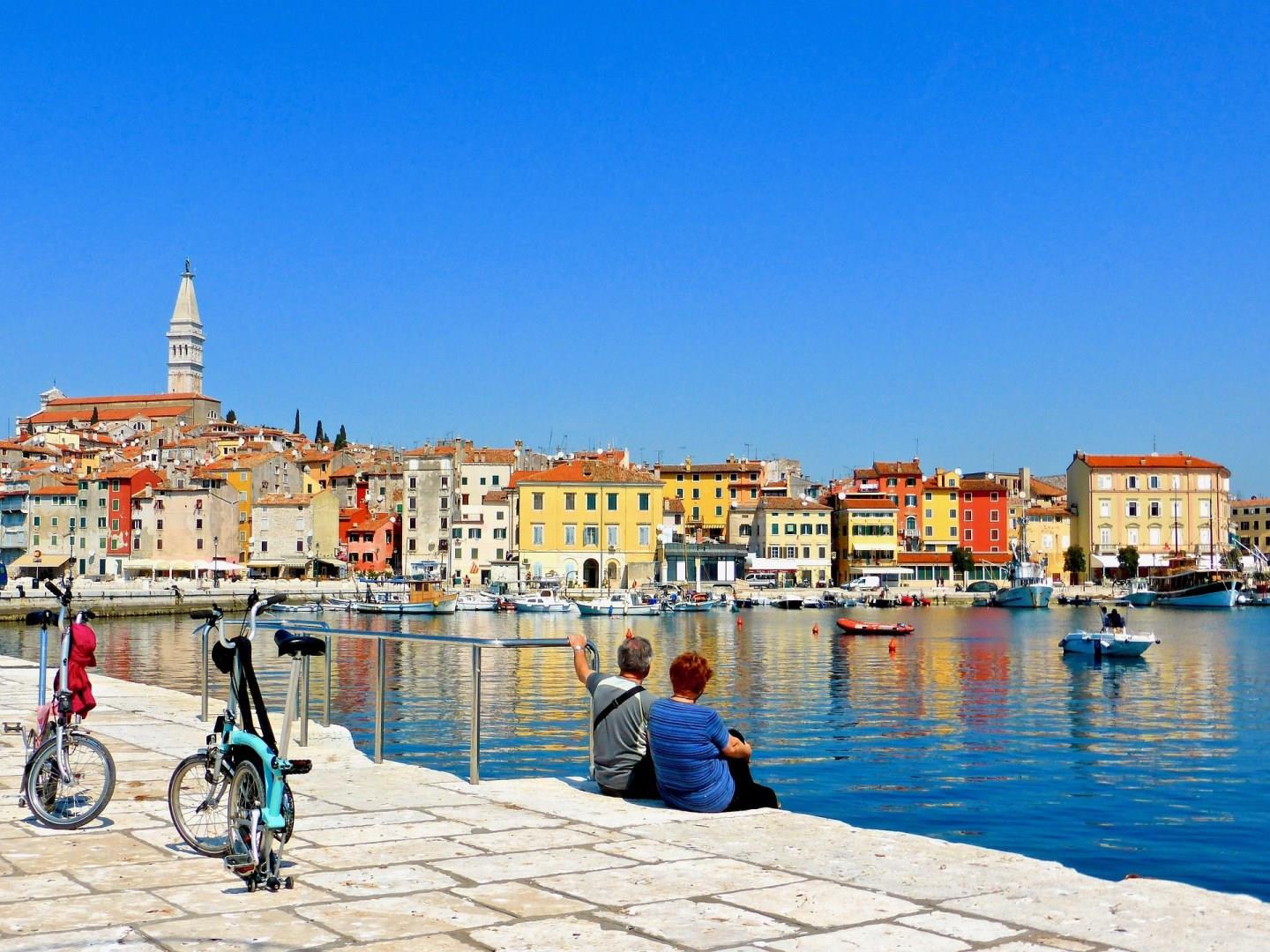
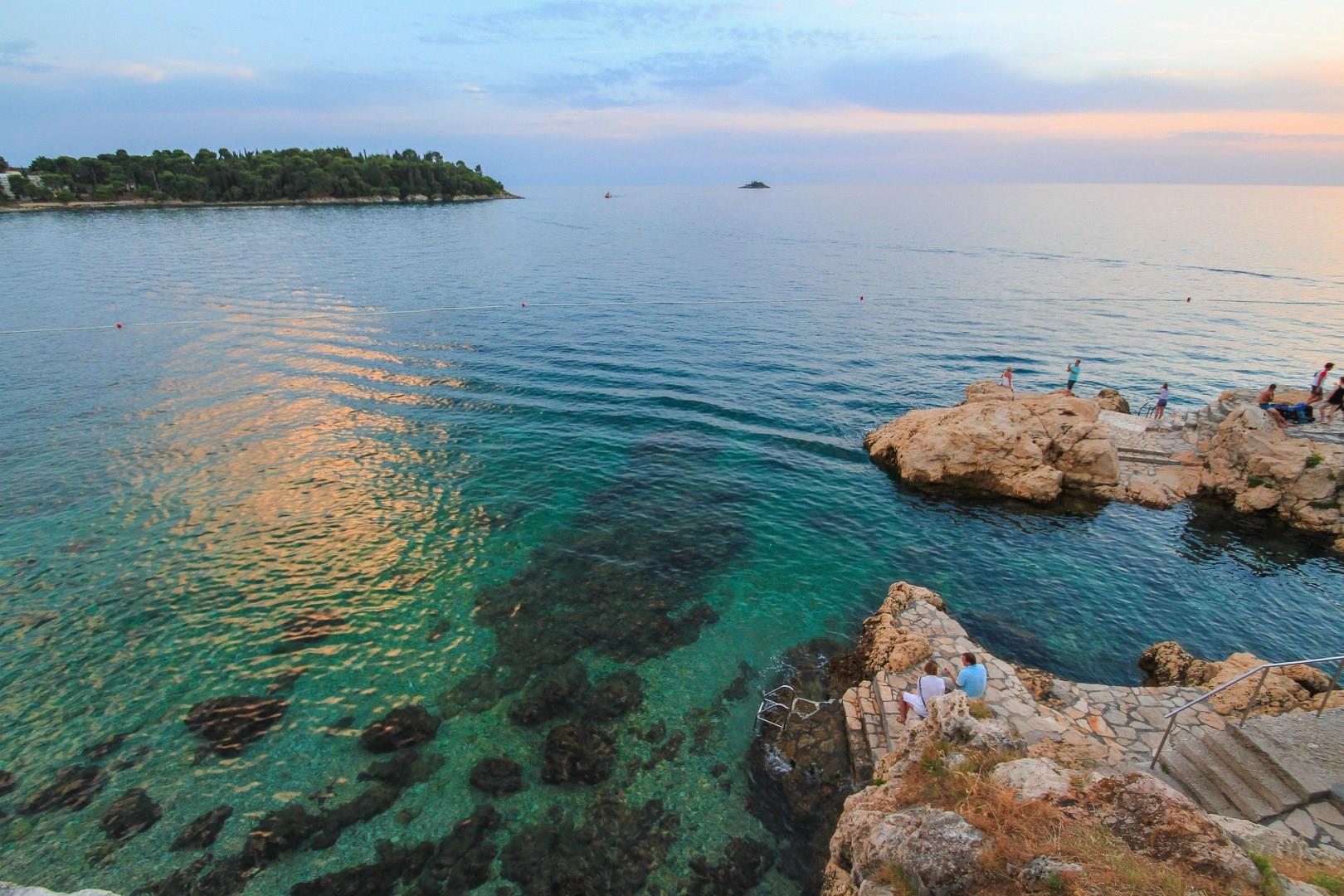
Zagreb, the vibrant capital of Croatia, is a city where history, culture, and a youthful spirit collide in an unforgettable way. Wander through the cobblestone streets of the Upper Town (Gornji Grad) and marvel at its medieval architecture, such as the iconic St. Mark's Church, known for its colorful tiled roof depicting the coat of arms of Zagreb and the Kingdom of Croatia.
Madaba
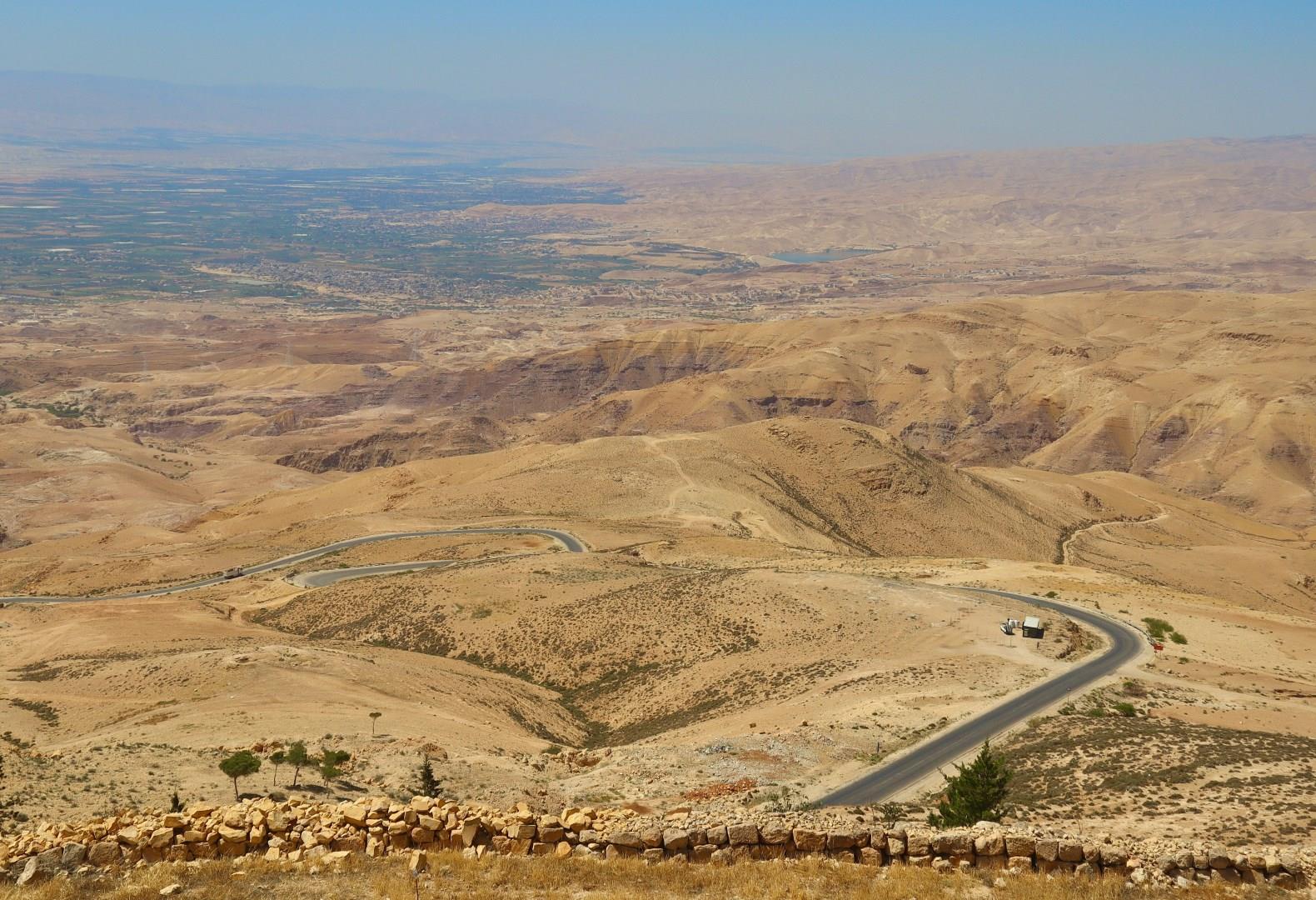
Madaba sits on Jordan’s central plateau, known for a long history that stretches from biblical times through the Roman and Byzantine periods.
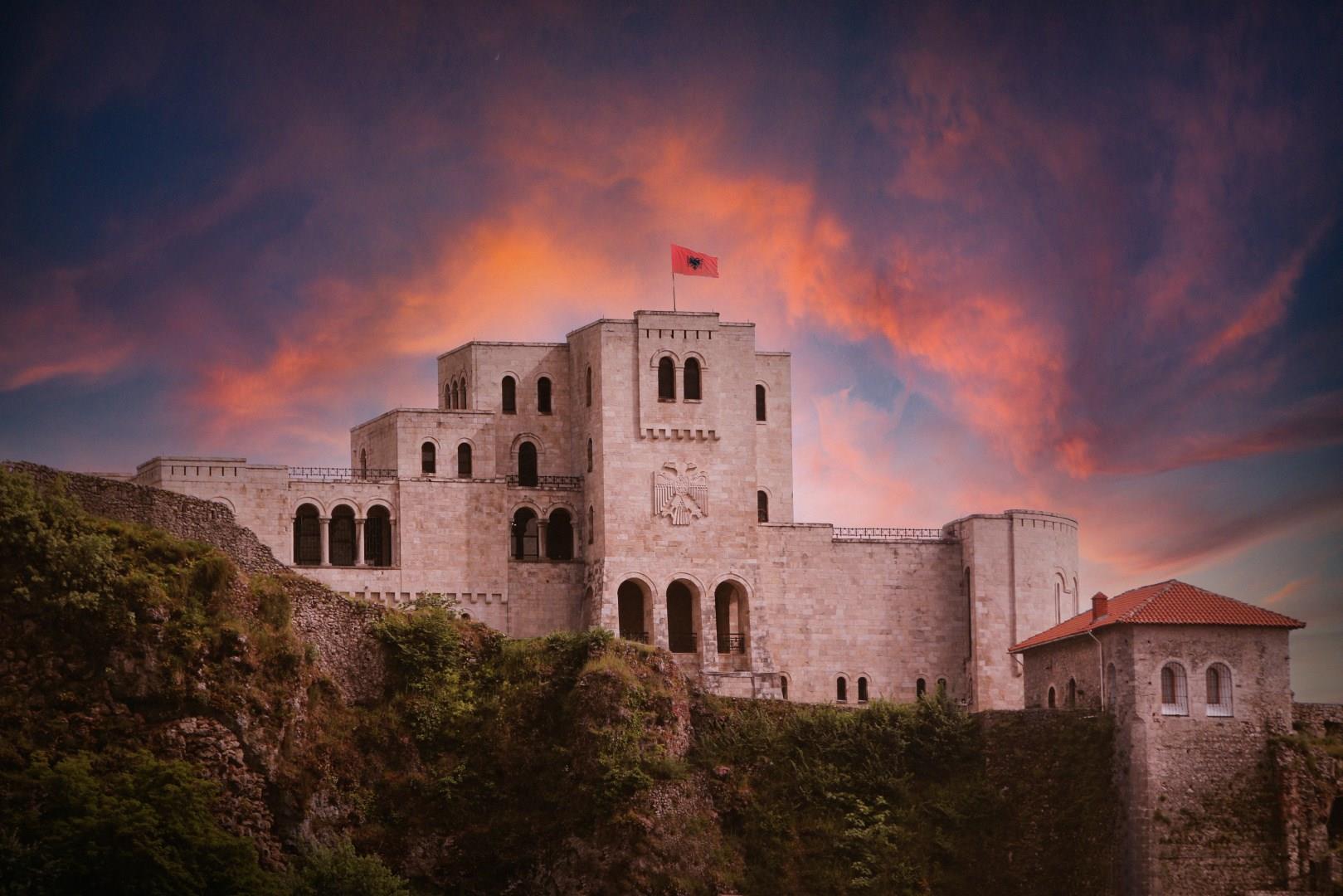
Krujë
Krujë sits on a rocky hilltop above central Albania and has long been a symbol of the country’s history and independence. At Krujë Castle ancient stone walls rise above the town and offer striking views of the surrounding hills and valleys, and inside the fortress visitors find the Skanderbeg Museum, where armor, documents and displays recount the life and battles of Albania’s national hero.

Rwanda
Rwanda, often called the “Land of a Thousand Hills,” is a country of rolling green landscapes, misty mountains, and shimmering lakes. Its scenery is striking, with terraced hillsides and lush valleys stretching as far as the eye can see.

Charlottetown
Charlottetown, the charming capital of Prince Edward Island, is where history and modernity blend seamlessly. Often called the "Birthplace of Confederation," this picturesque city holds a special place in Canadian history as the site of the 1864 Charlottetown Conference, which paved the way for the creation of Canada.