Krk
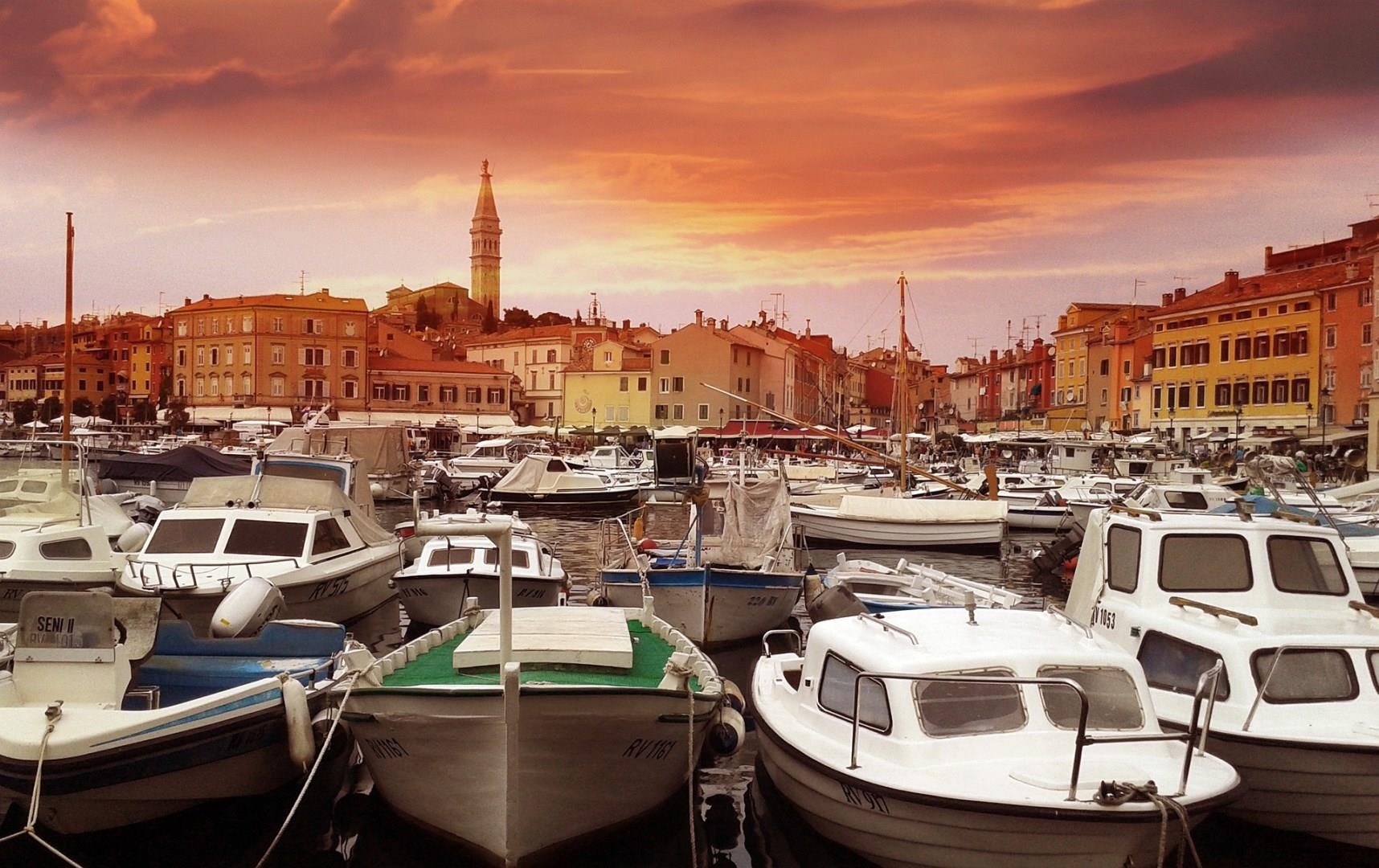
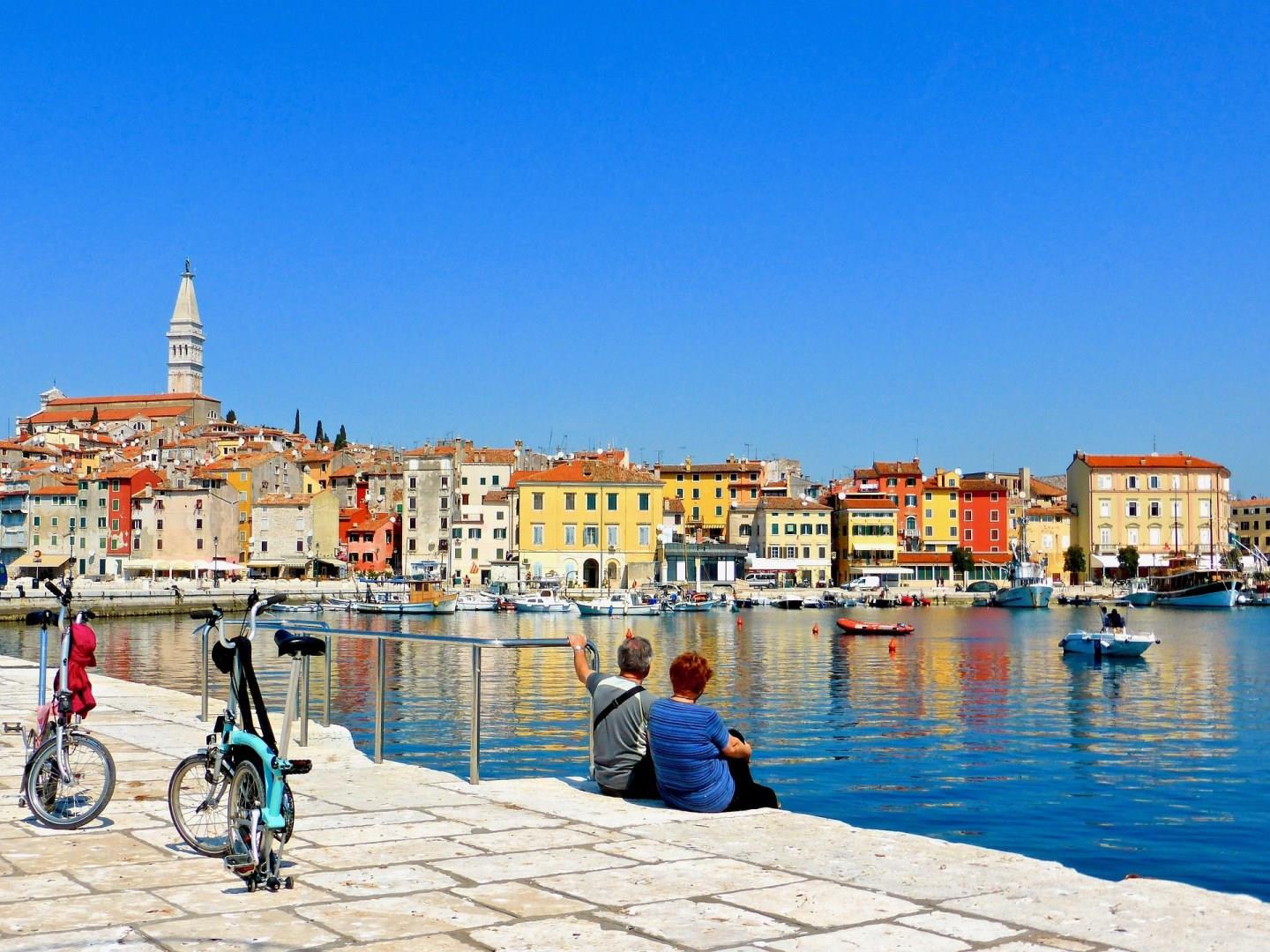
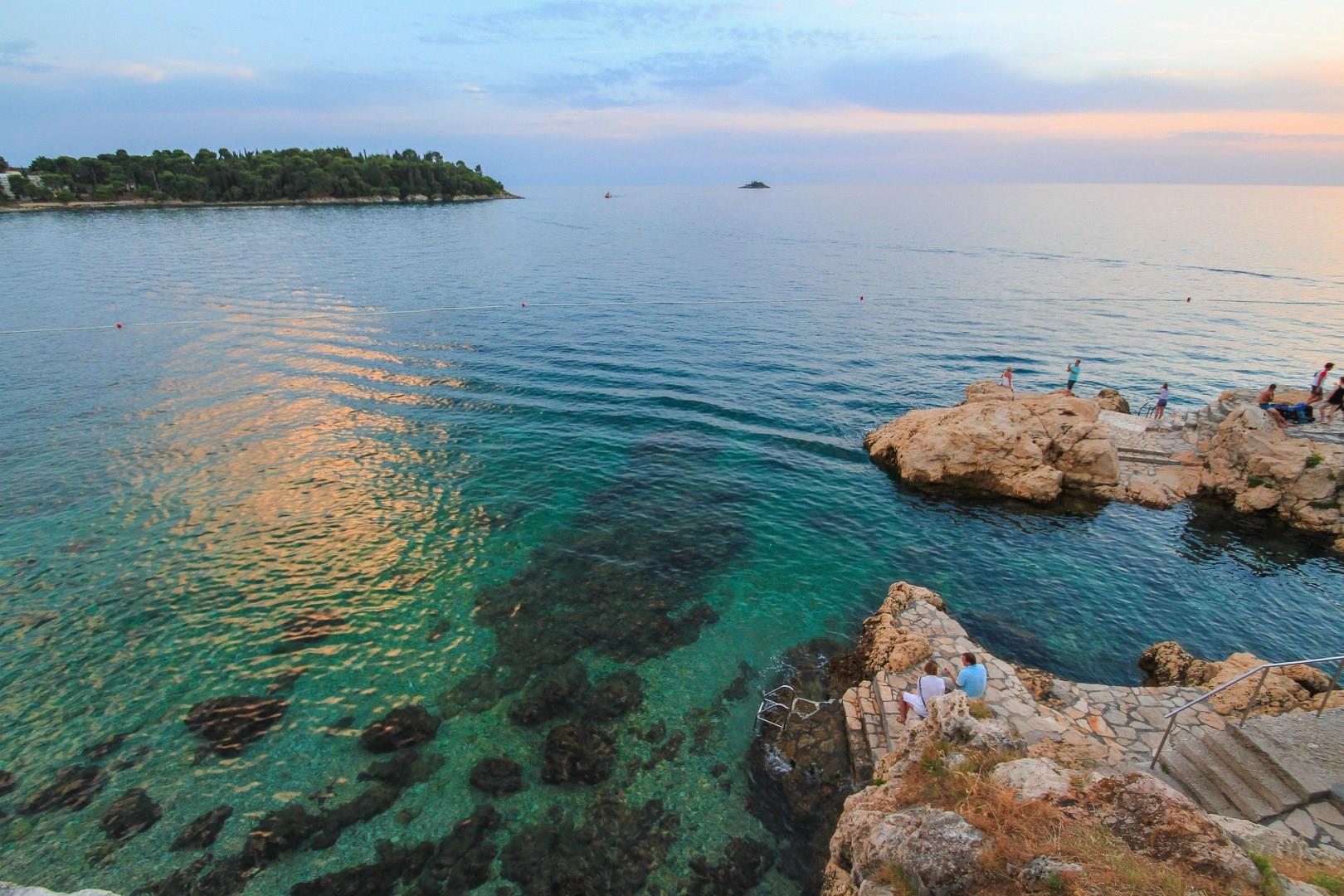
Krk, the largest island in the Adriatic Sea, offers a captivating blend of historical charm and natural beauty. The city of Krk, located on the island's southwestern coast, is renowned for its rich cultural heritage and stunning coastal scenery. The city's historical heart is its Old Town, where ancient walls and charming narrow streets lead visitors through centuries of history.

Costa Rica
Costa Rica is a country that has built its identity around both natural preservation and cultural vibrancy. Known for its stable democracy and emphasis on sustainability, it has become a global leader in eco-tourism.
Mammoth Lakes
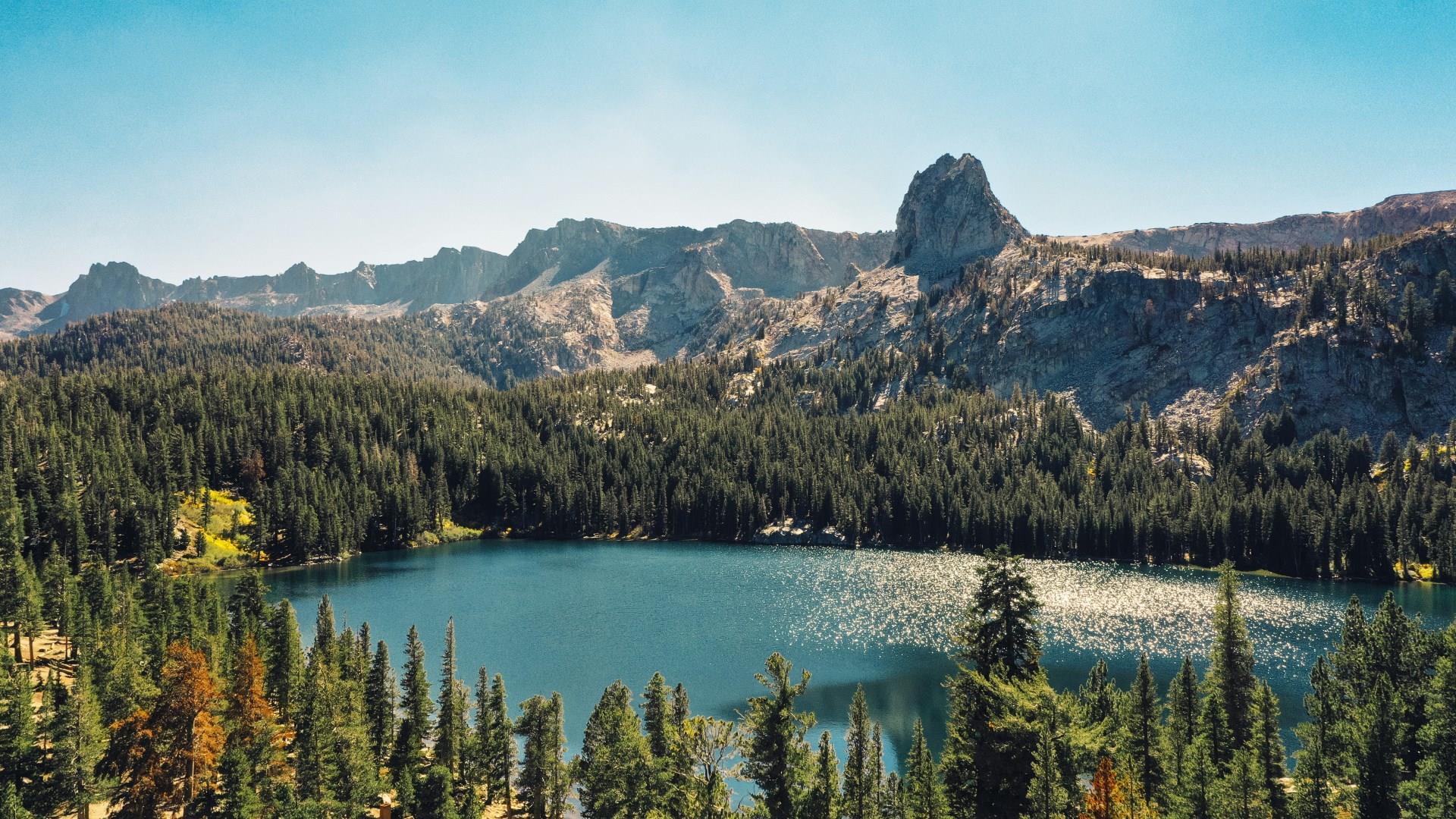
Mammoth Lakes, tucked into California’s Sierra Nevada mountains, is a year-round destination that combines alpine scenery with outdoor adventure. Known for its crisp mountain air and dramatic landscapes, the town sits near the eastern entrance to Yosemite National Park, making it an ideal base for exploring the region.

Toulon
Toulon, a vibrant port city on the French Riviera, is a hidden gem waiting to be explored. Known for its deep natural harbor, Toulon has long been a significant naval base for France, and the city's maritime heritage is still very much alive today. Visitors can explore the bustling Toulon Harbor, where yachts, fishing boats, and naval vessels coexist in a lively display of seafaring life.

Belluno
Nestled in the foothills of the Dolomites, the picturesque town of Belluno offers visitors a perfect blend of natural beauty, history, and culture. Known as the "gateway to the Dolomites," Belluno is surrounded by rugged mountains, making it a prime destination for hikers, climbers, and outdoor enthusiasts. The town’s position along the Piave River also offers stunning views and opportunities for riverside walks.