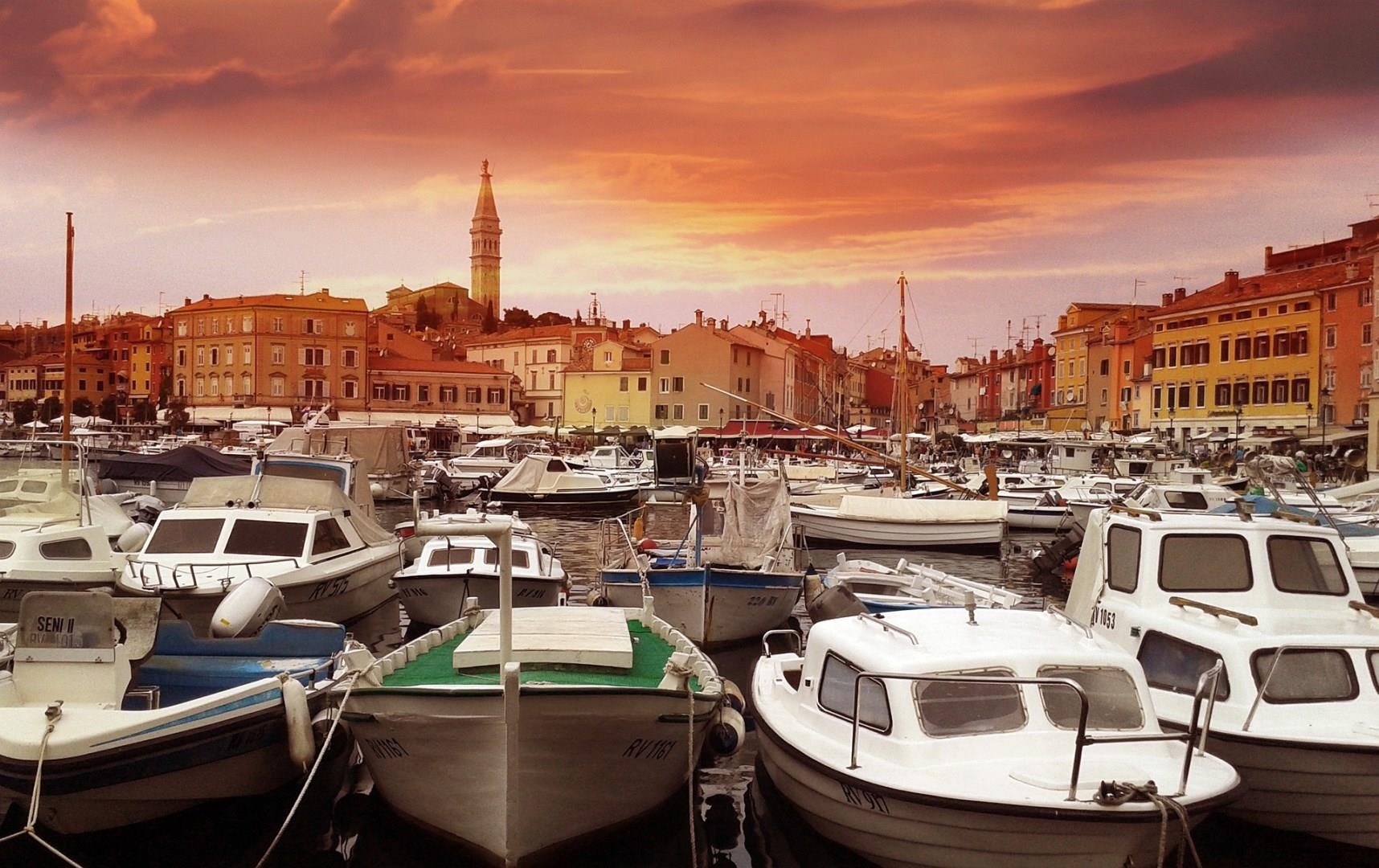
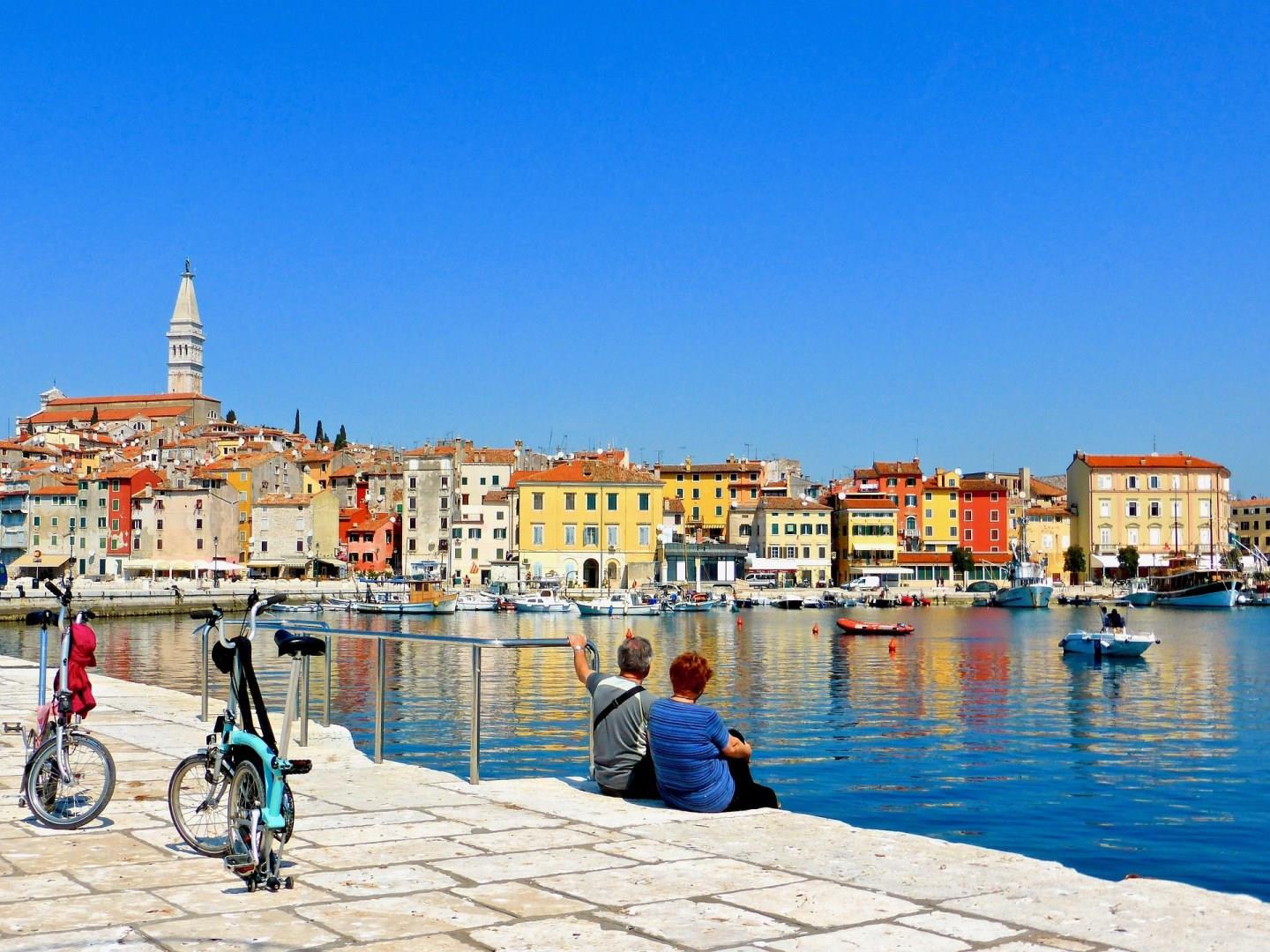
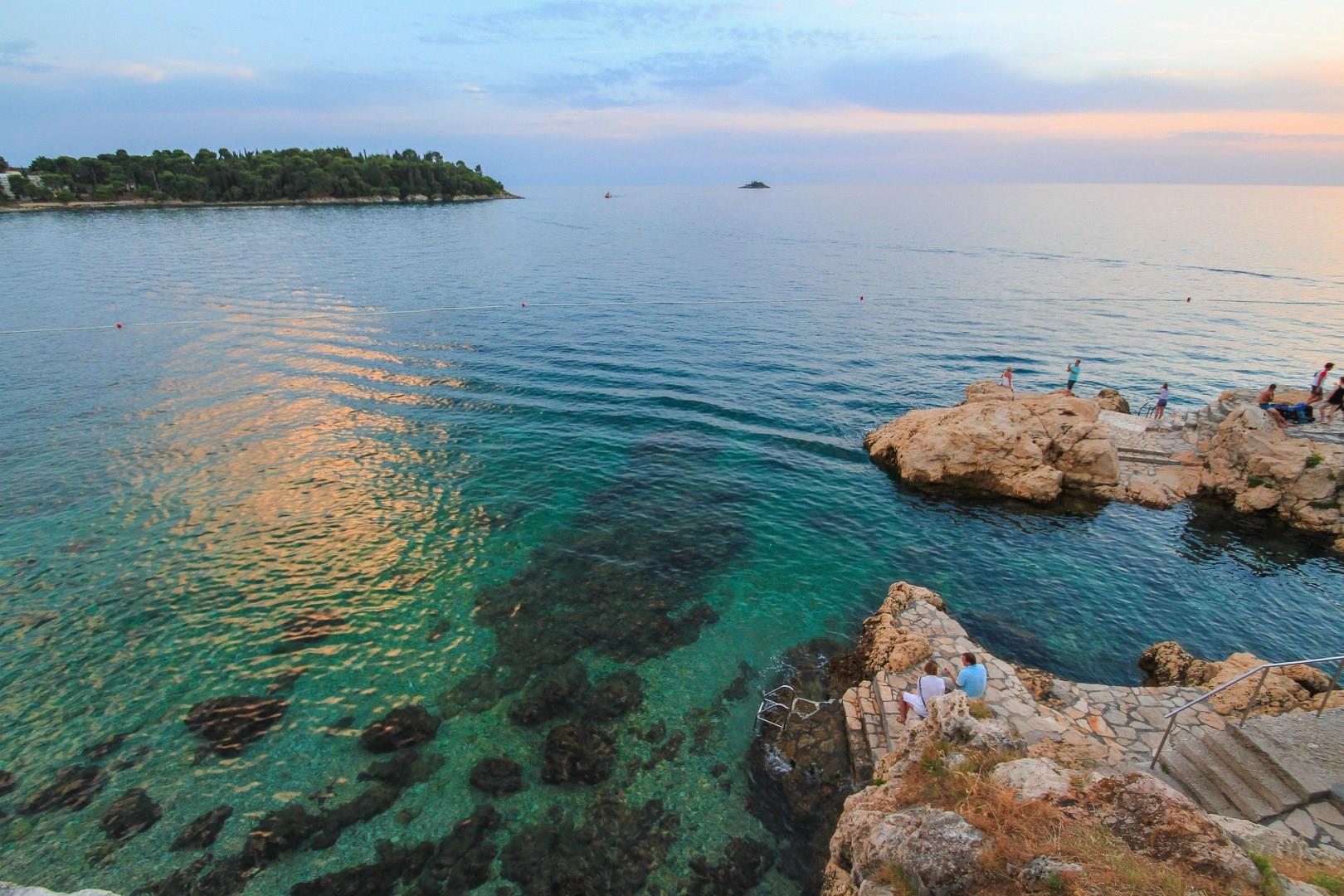
Eidfjord
Eidfjord is a gateway to Norway's Hardangervidda National Park, providing access to vast plateaus and diverse wildlife.
Fanning Island
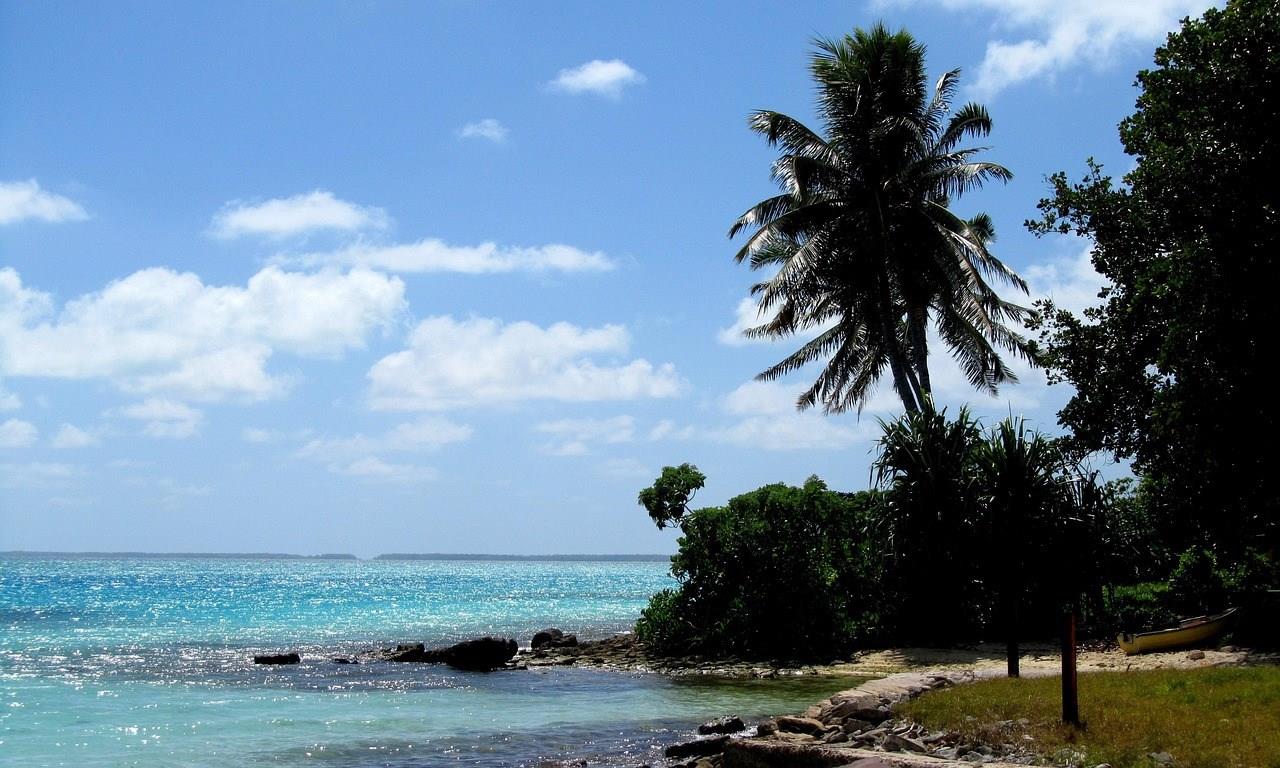
Fanning Island, also known as Tabuaeran, is one of the Line Islands in the Republic of Kiribati. Sitting just four degrees north of the equator, this remote atoll is a rare find for travelers seeking raw, untouched Pacific beauty. With no large hotels or chain resorts, visitors often arrive by cruise or private yacht and are welcomed with coconut-leaf garlands and traditional songs.
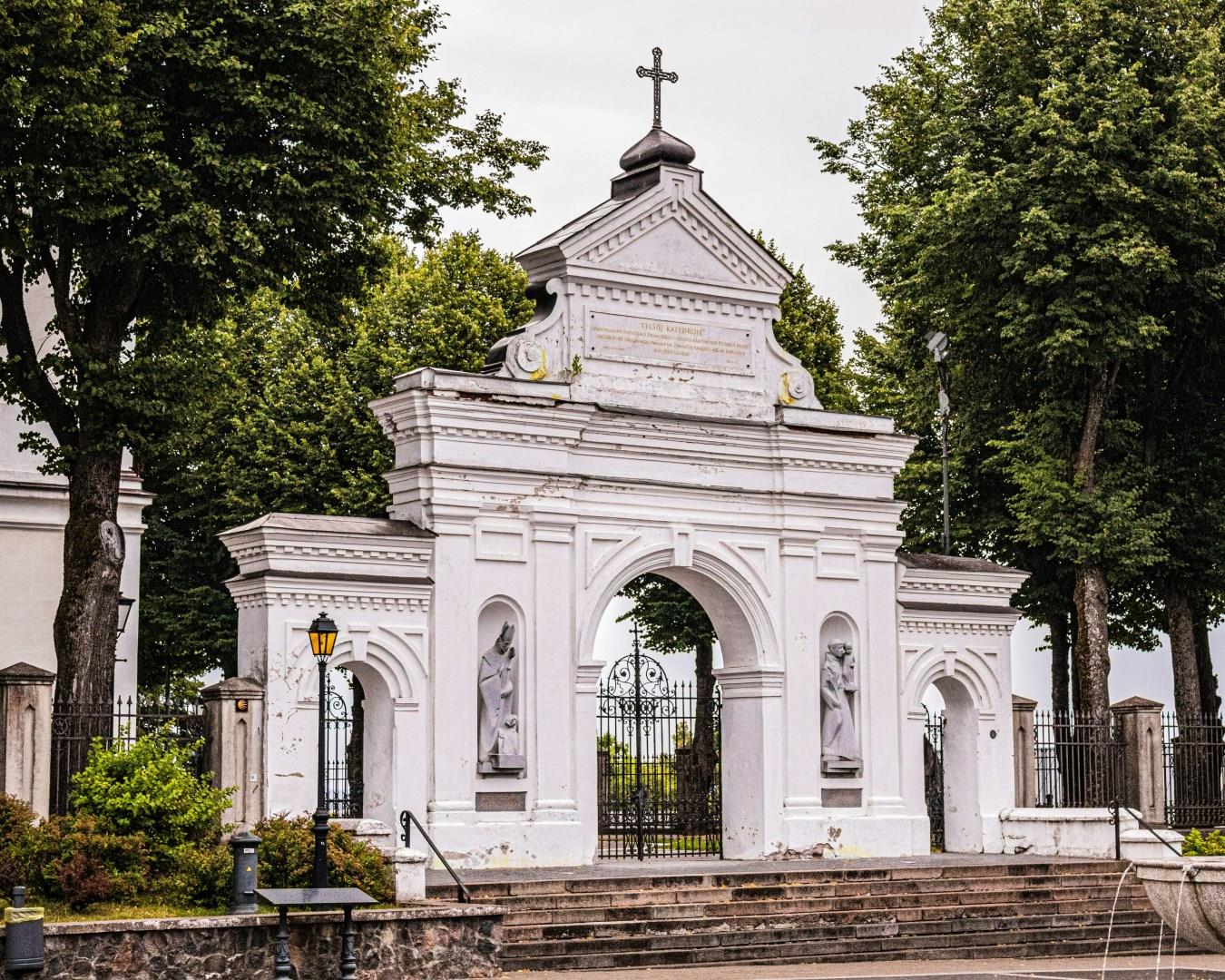
Telšiai
Telšiai, often called the capital of Lithuania’s Samogitia region, offers visitors a deep dive into a unique cultural heritage paired with striking natural settings. The town is set on the shores of Lake Mastis, where the reflections of historic buildings and lush forests create a calm and inviting atmosphere. Telšiai’s old market square bustles with life and is home to some of the town’s most notable landmarks, including the Neo-Gothic St. Anthony of Padua Cathedral.

New Jersey
New Jersey often surprises first-time visitors. It’s not just the gateway to New York or Philadelphia but a destination in its own right with deep Revolutionary War history, beach towns full of character, and some of the most diverse food offerings on the East Coast. Cities like Trenton and Morristown still carry the echoes of pivotal battles, while monuments and preserved buildings tell stories of George Washington’s winter encampments and early American resilience.
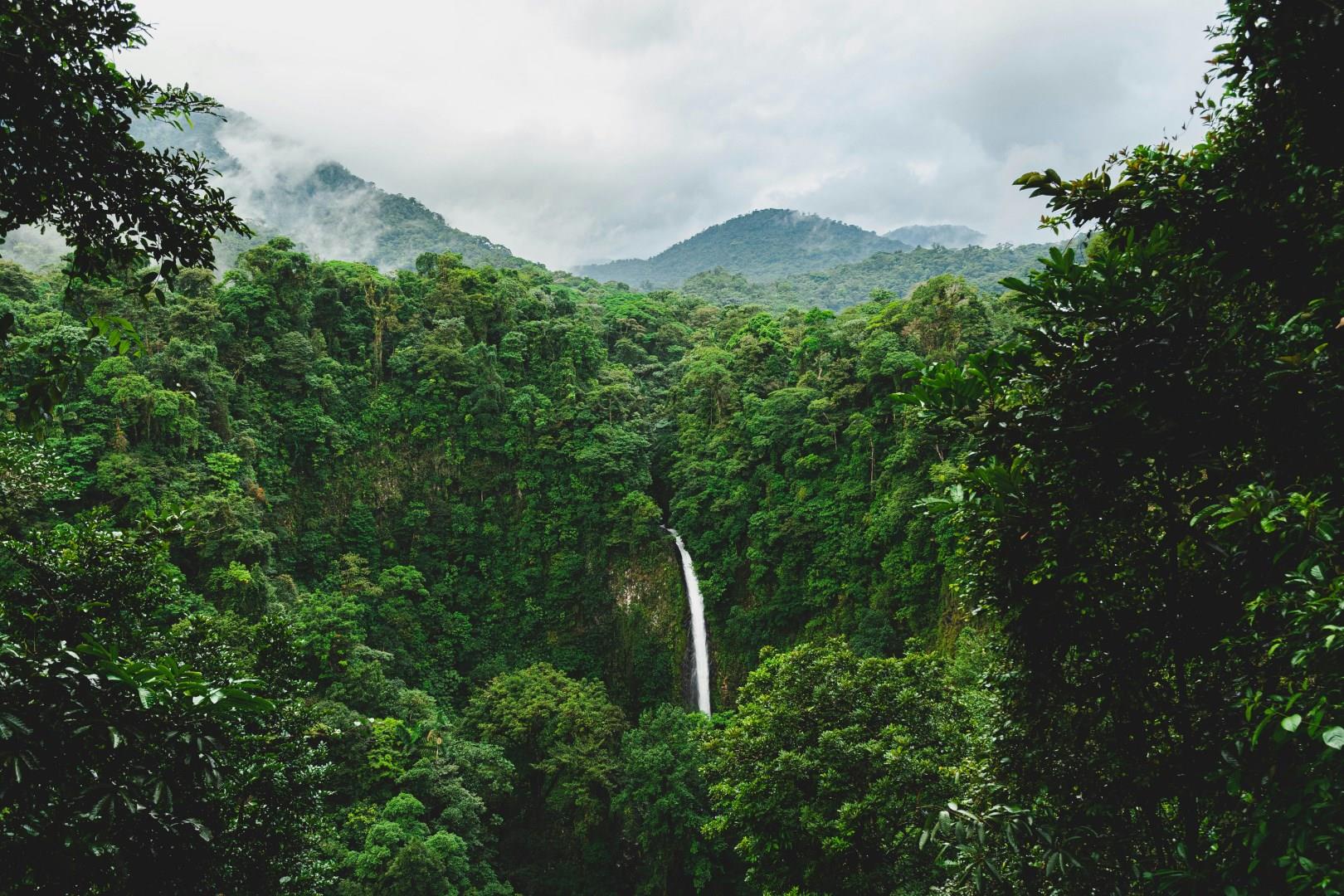
La Fortuna
La Fortuna, a small town in northern Costa Rica, sits in the shadow of the iconic Arenal Volcano, once the country’s most active and still one of its most visually striking. The town’s name, which means “The Fortune,” is no coincidence; it was spared when Arenal erupted unexpectedly in 1968, reshaping the landscape and eventually drawing visitors from around the world. Today, La Fortuna is known for its lush rainforest, geothermal activity, and stunning scenery that feels both wild and welcoming