Canyonlands National Park, located in southeastern Utah, offers an awe-inspiring landscape of deep canyons, rugged mesas, and striking rock formations. This vast park is divided into four districts: Island in the Sky, the Needles, the Maze, and the Rivers. Each district showcases its own unique geological features and breathtaking vistas. The Island in the Sky district provides panoramic views from its high mesa, including breathtaking vistas of the Colorado and Green Rivers.
Dominica, known as the “Nature Island of the Caribbean,” is a haven for eco-tourists and adventure seekers. Nestled between the French islands of Guadeloupe and Martinique, this lush island boasts a remarkable landscape of volcanic mountains, dense rainforests, and stunning waterfalls. Dominica’s most iconic natural wonder is the Boiling Lake, the second-largest hot spring in the world.
Located off the southwestern coast of Florida, Marco Island is a popular resort destination known for its boat-lined marinas and beautiful beaches, including Residents' Beach and Tigertail Beach. A variety of outdoor activities are at your disposal here, including paddle boarding, water skiing, kayaking, hiking, and golfing.
Opatija, located on Croatia’s Kvarner Bay, has been drawing visitors since the 19th century, when Austro-Hungarian aristocrats built grand villas along its Adriatic shoreline. Today, many of those same buildings still stand with some restored as luxury hotels and others preserved as cultural landmarks. The town’s most recognizable structure, Villa Angiolina, opened in 1844 and marked the start of Opatija’s rise as a fashionable seaside resort.
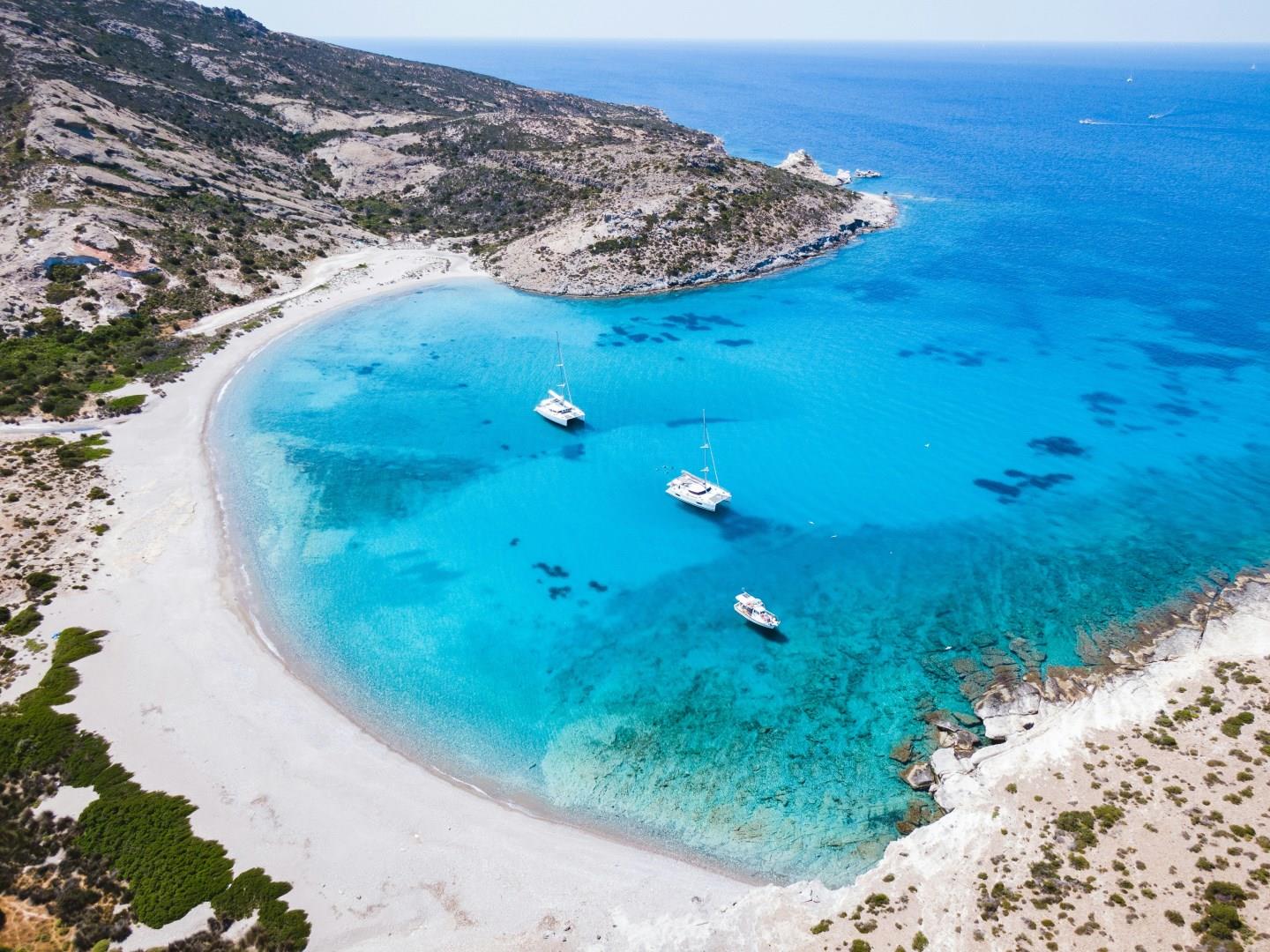
Freycinet National Park, located on the east coast of Tasmania, Australia, is a natural paradise that entices travelers with its dramatic pink granite peaks, secluded bays, and pristine beaches. The park is home to the iconic Wineglass Bay, often touted as one of the world's most beautiful beaches, with its crescent-shaped shore of soft white sand and crystal-clear turquoise waters.
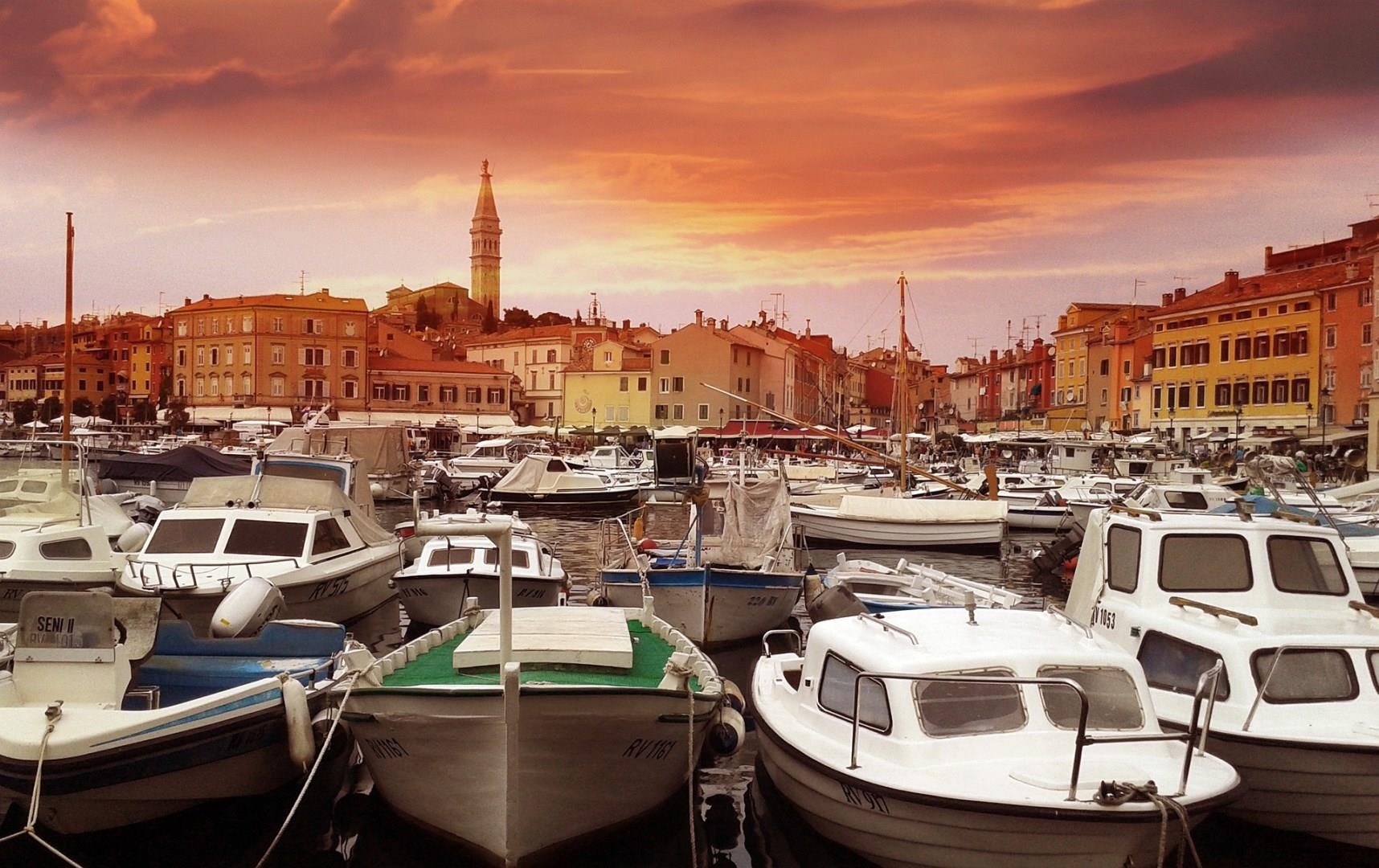
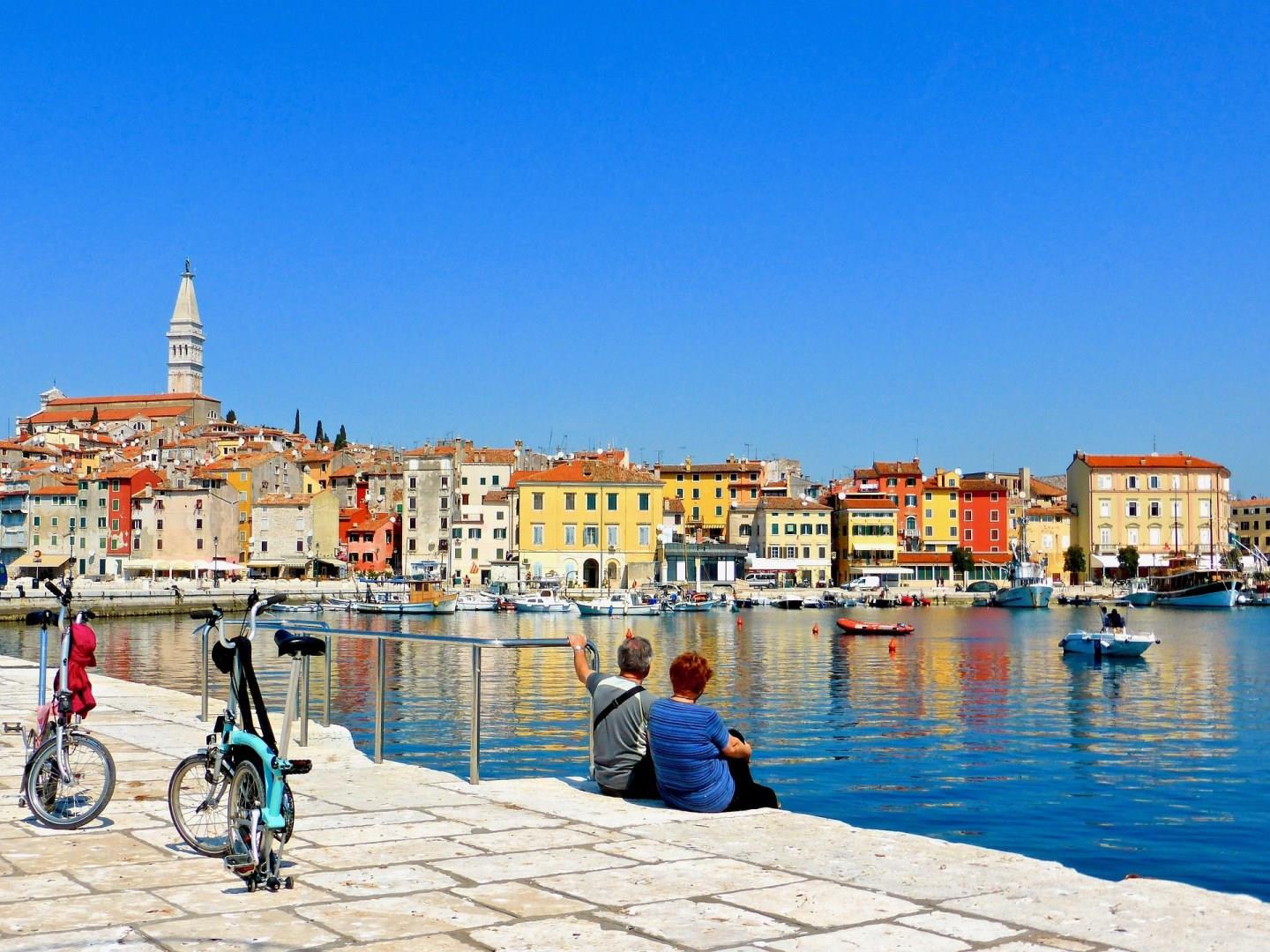
Rovinj, a picturesque city on Croatia’s Istrian Peninsula, invites travelers to immerse themselves in its enchanting blend of history and natural beauty. The city's charming Old Town, with its narrow, cobblestone streets and colorful facades, is a delight to explore. The heart of this historic area is the Church of St. Euphemia, a Baroque masterpiece that offers panoramic views of the Adriatic Sea from its bell tower. The church's iconic presence and the surrounding labyrinth of streets provide a glimpse into Rovinj's rich cultural and architectural heritage.
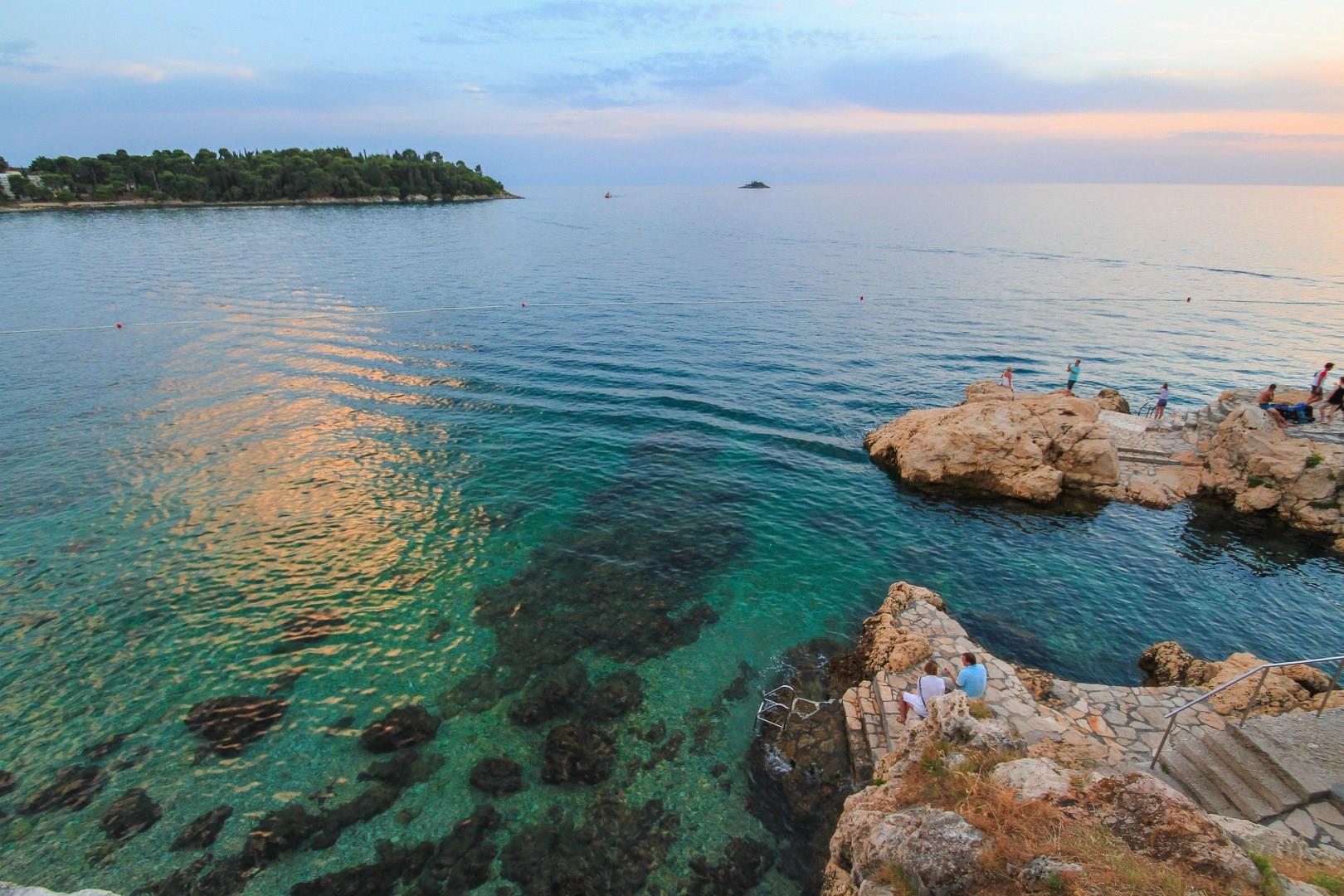
Rovinj’s coastal beauty is equally captivating. The city is nestled between the azure waters of the Adriatic and lush, forested hills. A leisurely stroll along the waterfront promenade or a boat trip to the nearby Brijuni Islands—a national park with stunning landscapes and archaeological sites—offers an unforgettable experience. The crystal-clear waters are perfect for swimming, snorkeling, and exploring hidden coves.
For those who relish local flavors, Rovinj’s vibrant market, held in the heart of the Old Town, showcases the region's culinary delights. Sample fresh seafood, local olive oils, and wines from the Istrian region at charming outdoor cafes. The city’s gastronomic scene reflects its rich heritage and connection to the sea, making dining a memorable part of the Rovinj experience.
A fun fact about Rovinj: This city was once an island until it was connected to the mainland in the 18th century. Today, its unique island heritage adds to the charm of its historic streets and coastal beauty. To fully enjoy Rovinj, consider visiting in the spring or early autumn when the weather is pleasantly mild and the tourist crowds are smaller.