Once the commercial center of the ancient world, Ephesus is an archaeological splendor and an essential stop on any visit to Turkey. The city, whose wealth and patronage support its splendid architectural program, was dedicated to the goddess Artemis.
Telč, a charming town in the South Bohemian Region of the Czech Republic, enchants visitors with its well-preserved Renaissance architecture and picturesque surroundings. The town's central attraction is its beautifully preserved Historic Centre, a UNESCO World Heritage Site, renowned for its colorful facades and quaint medieval charm.
Zacatecas, built into the slopes of a narrow ravine in north-central Mexico, is a city with a deep mining past and a striking skyline. The historic center, a UNESCO World Heritage Site, is known for its pink cantera stone buildings, narrow alleys, and impressive baroque facades. The Cathedral Basilica of Zacatecas, completed in 1752, stands as one of the most detailed examples of Mexican baroque architecture, with hundreds of carved figures covering its sandstone exterior.
Bratislava, Slovakia’s capital, sits along the Danube River at the crossroads of Central Europe. It's the only capital in the world bordering Austria and Hungary, which makes it an easy stop on many European itineraries. Yet Bratislava is more than a waypoint; it offers a compact city center filled with centuries of history. The Old Town’s cobbled lanes lead past Gothic cathedrals, Baroque palaces, and buildings once used by Habsburg royalty.
Des Moines, Iowa’s capital city, offers a refreshing take on Midwest travel with a blend of creativity, history, and community pride. Its downtown skyline is anchored by the gold-domed Iowa State Capitol, which offers free guided tours and a striking view from its hilltop perch. Just across the river, the East Village mixes old brick storefronts with indie shops, coffee houses, and vibrant murals. It's where old meets new, a theme that runs throughout the city’s evolving identity.
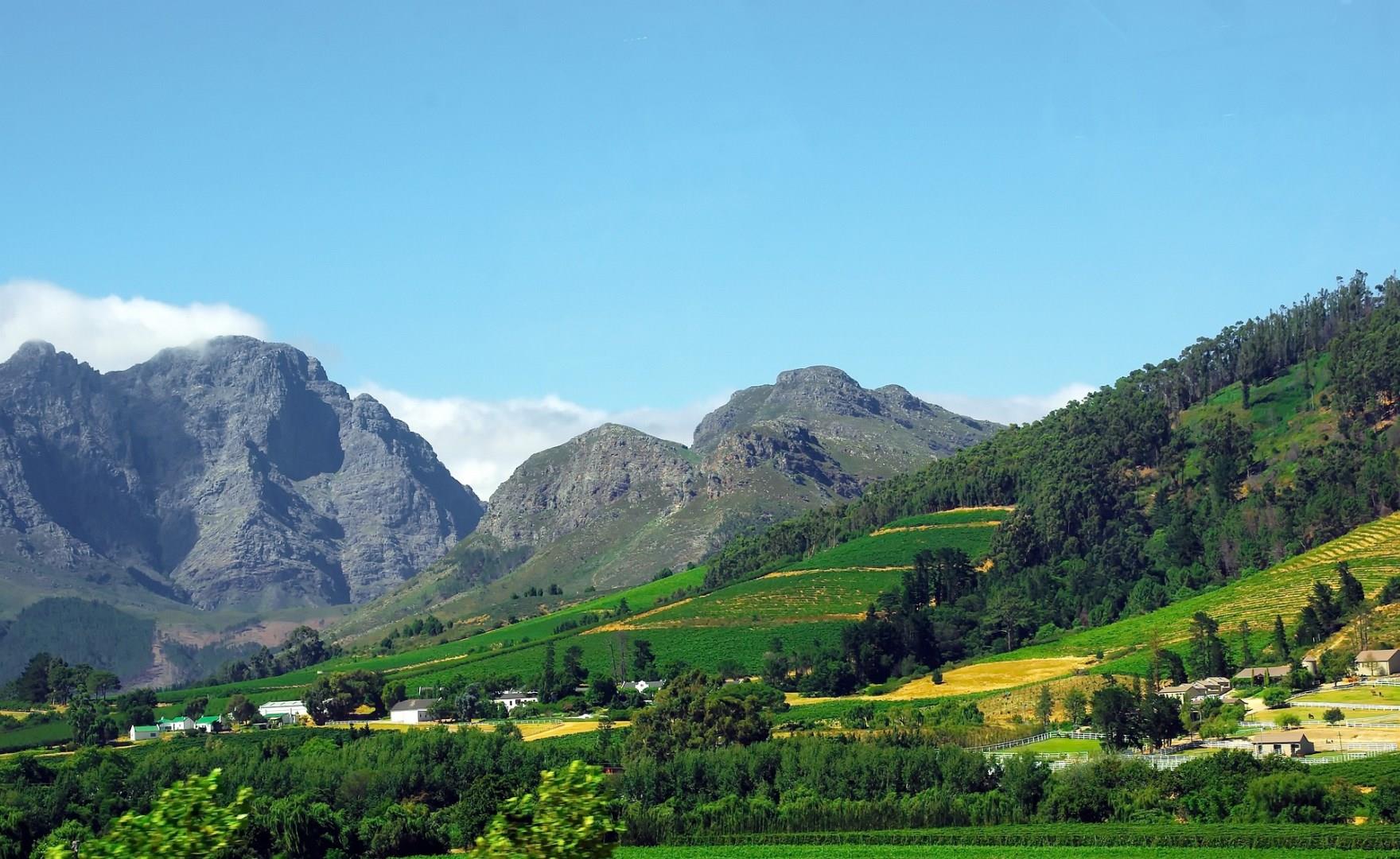
Nestled in the heart of South Africa’s Cape Winelands, Franschhoek is a charming village renowned for its exquisite vineyards and rich history. Founded by French Huguenots in the late 17th century, the village’s French heritage is palpable in its architecture, cuisine, and local culture. Wander through its picturesque streets and enjoy a blend of historic buildings and modern boutiques, or take a leisurely stroll through the Franschhoek Village Market, which features artisanal goods and fresh local produce.
Franschhoek is a premier destination for wine enthusiasts. The region boasts some of South Africa’s most celebrated wine estates, including the historic La Motte and the elegant Boschendal. Tour the estates to sample award-winning wines and explore lush vineyards set against stunning mountain backdrops. For a unique experience, consider a wine tram tour, which allows you to hop on and off at various estates and savor the local vintages while soaking in the beautiful landscape.
The culinary scene in Franschhoek is equally impressive. Renowned for its gourmet restaurants and cafes, the village offers a gastronomic adventure with a focus on locally-sourced ingredients and innovative cuisine. Top dining spots include La Petite Colombe, which features fine dining with a contemporary twist, and the French-inspired Reubens Restaurant. Don’t miss the annual Franschhoek Bastille Festival, a vibrant celebration of French culture with wine, food, and live entertainment.
Fun fact: Franschhoek is also home to the Huguenot Memorial Museum, which provides insights into the lives of the Huguenots and their influence on South African culture. This museum, located in a tranquil garden setting, offers a fascinating look into the village’s origins and is a must-visit for history buffs.